


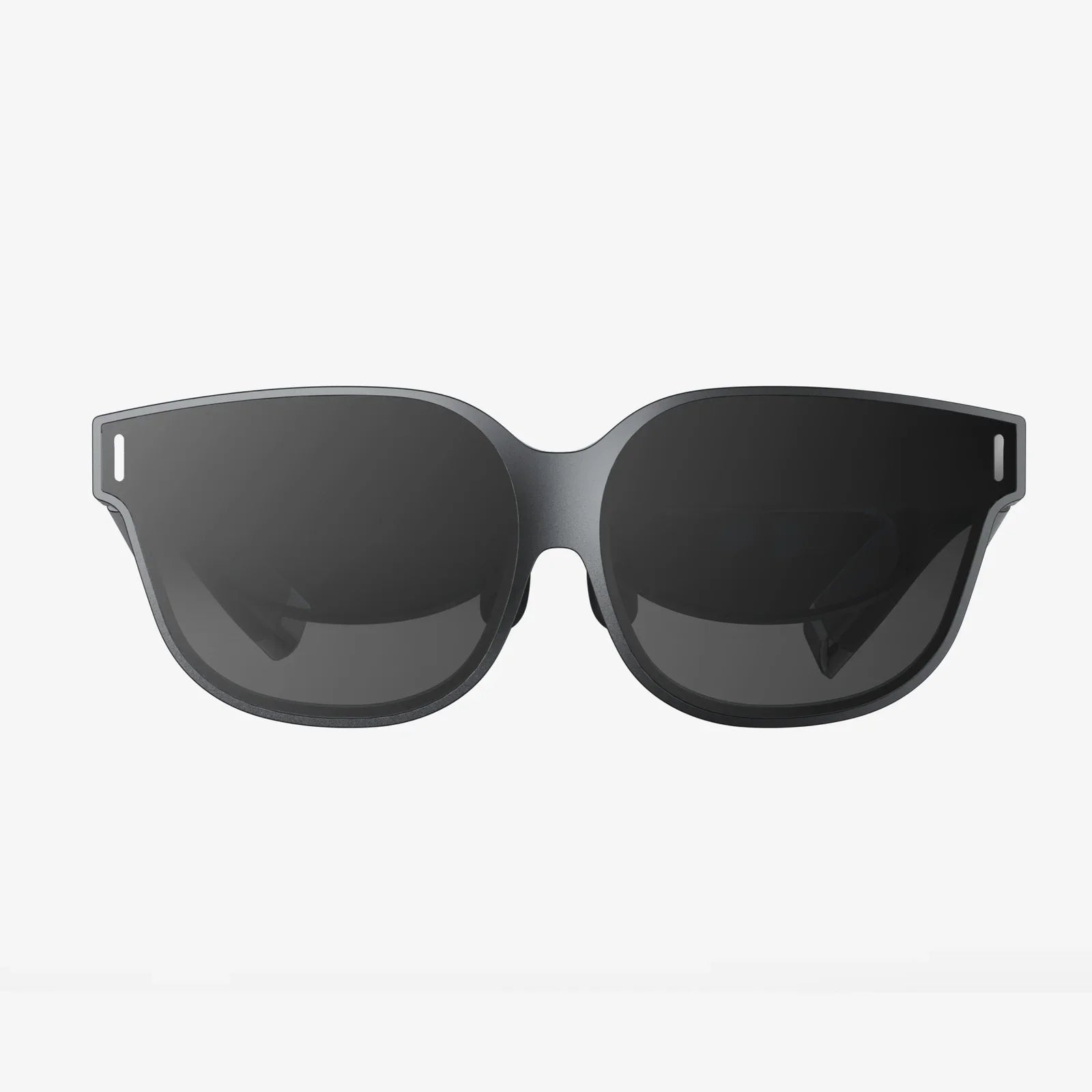
- by wangfred
Eyeglasses Lens Technology: The Invisible Revolution Reshaping Your Vision
- by wangfred
Imagine a world where your eyeglasses do more than just correct your vision—they actively enhance your reality, protect your eyes from invisible threats, and adapt seamlessly to your environment. This isn't a glimpse into a distant sci-fi future; it's the reality being forged today in the revolutionary field of eyeglasses lens technology. The humble glass disc that has been perched on human noses for centuries is undergoing a radical transformation, evolving into a sophisticated piece of optical engineering that is as intelligent as it is indispensable. The journey from simple, single-vision corrective pieces to today's hyper-intelligent, multi-functional marvels is a story of relentless innovation, and it's a story that is fundamentally changing how we see everything.
At the heart of every advanced lens is the material from which it is crafted. The evolution from heavy glass to lightweight polymers was the first great leap forward. High-index plastic materials now allow for significantly thinner and lighter lenses, even for those with very strong prescriptions. These materials bend light more efficiently than standard plastics, meaning less material is needed to achieve the same corrective power. But the material itself is just the canvas. The true magic begins with the application of sophisticated coatings, which are applied through advanced vacuum deposition processes in layers often thinner than a wavelength of light.
Anti-reflective (AR) coating technology has progressed from simply reducing glare to becoming a multi-layered, precision-engineered system. Modern AR coatings are designed to target specific wavelengths of light, drastically cutting down on internal reflections that cause ghosting and halos, especially at night. This not only improves aesthetic appeal by making lenses nearly invisible but also dramatically enhances visual acuity and comfort, reducing eye strain during prolonged screen use or driving. Scratch-resistant coatings have also seen immense improvement, utilizing hard, diamond-like carbon layers or other proprietary compounds that molecularly bond to the lens surface, creating a barrier that is orders of magnitude more durable than the lens material itself.
The proliferation of digital screens has introduced a new and constant source of eye fatigue: high-energy visible (HEV) blue light. In response, lens technology has developed sophisticated filtering solutions. Early blue light lenses often had a noticeable yellow or amber tint, but current iterations are virtually clear. These advanced filters work by selectively reflecting and absorbing a portion of the most potentially disruptive blue-violet light emitted by LEDs, smartphones, tablets, and computer monitors, while allowing beneficial blue-turquoise light—which helps regulate circadian rhythms—to pass through.
The benefits are twofold. First, they help reduce digital eye strain, a condition characterized by dry eyes, blurred vision, and headaches after extended screen time. Second, by filtering blue light, especially in the evening, these lenses can help mitigate the disruption of melatonin production, potentially supporting healthier sleep patterns. This represents a significant shift in the purpose of lenses: from purely corrective to proactively protective, guarding our ocular health against the environmental byproducts of modern life.
Perhaps the most significant advancement in recent decades is the move from traditional surfacing to freeform digital surfacing. Think of it as the difference between a mass-produced item and a bespoke, tailor-made suit. Traditional lenses were ground based on a limited set of base curves, leading to optical compromises, especially in progressive lenses. Freeform technology is a digital, point-by-point process that allows optical engineers to create a virtually limitless number of unique, complex surfaces with pinpoint accuracy.
This technology enables the creation of highly personalized lenses. By using precise measurements—including the exact position of the eyes relative to the lenses (vertex distance, pantoscopic tilt, and wrap angle) and the individual's unique visual behavior—a lens can be digitally mapped and surfaced to provide an optimized field of vision for that person alone. This means wider, more distortion-free zones in progressive lenses, sharper peripheral vision in single-vision lenses, and an overall experience that is custom-fitted to the wearer's eyes and frame of choice. It is the ultimate fusion of data and optics, delivering a level of visual comfort and performance that was previously unimaginable.
The frontier of lens technology is pushing into the realm of the adaptive and the intelligent. Photochromic technology, which allows lenses to darken outdoors and clear indoors, has been revolutionized. Older versions relied primarily on UV light activation and were slow to change, especially in cars whose windshields block UV rays. Newer generations of photochromic materials are activated by both UV and visible light, enabling them to darken behind a windshield and react much more quickly to changing light conditions. They also achieve a darker tint and a more complete fade back to clear.
Looking further ahead, the line between a passive lens and an active digital device is beginning to blur. Research and development are fervently underway in areas like augmented reality (AR) integration. Imagine lenses that can project navigation cues, messages, or other digital information directly into your field of view. Other concepts include lenses with embedded micro-sensors that can monitor health metrics like blood sugar levels through tear film analysis, or electro-chromic lenses that can change their tint at the touch of a button or based on ambient light sensors. While some of these applications are still emerging, they point to a future where eyeglasses become a central hub for our digital and biological data.
Advanced lens technology is also creating specialized tools for specific needs and professions. For the sports enthusiast, lenses are engineered with impact-resistant materials and secure-fitting designs, often incorporating polarized filters to eliminate blinding glare from water or snow, enhancing contrast and safety. For those in demanding visual professions, such as architects or graphic designers, lenses can be crafted with precision tints that enhance specific color wavelengths, improving the perception of contrast and detail.
Even in therapeutic applications, technology is making waves. Lenses for managing conditions like myopia control in children utilize unique optical designs to slow the progression of nearsightedness. These specialized lenses use peripheral defocus principles or multifocal designs to signal the eye to slow its axial elongation, representing a powerful non-invasive tool in combating the global rise of myopia.
All this technology would be meaningless if it didn't translate into a superior experience for the wearer. The ultimate goal is to make the technology feel invisible. Thinner, lighter lenses make wearing strong prescriptions comfortable and aesthetically pleasing. Anti-reflective and smudge-resistant coatings keep vision clear and maintenance low. Personalized digital freeform lenses eliminate the adaptation period and discomfort once associated with progressives, making them intuitive from the first moment they are worn.
The focus has shifted from just achieving 20/20 vision on an eye chart to achieving seamless, comfortable, and protective vision in every conceivable real-world scenario. It’s about reducing the cognitive load on the brain by providing it with the clearest, most comfortable visual information possible, thereby reducing fatigue and enhancing the quality of life.
From the molecular engineering of new polymers to the digital algorithms that map a perfectly personalized optical surface, eyeglasses lens technology is in the midst of a golden age of innovation. The lens is no longer a simple window but an intelligent filter, a protective shield, and a customizable interface between the individual and their world. This relentless pursuit of better vision is ensuring that for millions, the future looks brilliantly clear, incredibly comfortable, and smarter than ever before.
Share:
Superb Augmented Reality: The Invisible Revolution Reshaping Our World
AI and VR AR Course: The Ultimate Guide to Immersive Learning