


- by wangfred
Eyeglasses Technology: The Future of Vision is Smarter, Sharper, and More Connected
- by wangfred
For centuries, eyeglasses were a marvel of static engineering—a simple, elegant solution to a fundamental human problem. But what if your glasses could do more than just help you see? What if they could translate a foreign street sign in real-time, monitor your health, shield your eyes from harmful light before you even notice the glare, or project a digital map onto the pavement in front of you? This is no longer the realm of science fiction. Eyeglasses technology is exploding, transforming the humble pair of spectacles from a passive visual aid into an active, intelligent, and deeply personal portal to a enhanced reality.
The foundation of any pair of glasses is the lens, and here, technology has moved far beyond basic plastic and glass. The modern lens is a multi-layered, nano-engineered marvel designed to be smarter, tougher, and more adaptive than ever before.
High-Index and Trivex Materials: For those with stronger prescriptions, thick, heavy lenses that distorted facial features were once an unavoidable reality. The development of high-index plastic materials changed everything. These advanced polymers bend light more efficiently, meaning less material is needed to achieve the same corrective power. The result is a lens that is significantly thinner, lighter, and more aesthetically pleasing, all while offering superior optical clarity. Similarly, Trivex material offers an exceptional combination of being incredibly lightweight, impact-resistant, and providing excellent optical quality, making it a premier choice for safety and everyday wear.
Photochromic Advancements: Transition lenses have been around for decades, but early versions were slow to react and often didn't darken fully behind car windshields. The latest generation of photochromic technology is a quantum leap forward. Using more sophisticated organic photochromic dyes embedded within the lens, these new versions activate in seconds upon exposure to UV light and fade back to clear just as quickly. Furthermore, they are now sensitive to both UV and visible light, allowing them to darken more completely behind car windows and adjust their tint more intelligently based on the actual light conditions, not just the presence of the sun.
Advanced Anti-Reflective and Blue Light Coatings: The coating on a lens is where much of the magic happens. Modern anti-reflective (AR) coatings are engineered using complex, multi-layer deposition processes that cancel out reflected light across the entire visible spectrum. This eliminates distracting glare from screens and headlights at night, drastically improving visual comfort and safety. It also makes the lenses nearly invisible, enhancing eye contact and aesthetics.
Building on this, blue light filtering technology has become a major focus. While research is ongoing, many people report digital eye strain from prolonged exposure to the high-energy visible (HEV) blue light emitted by digital devices. Advanced coatings can now selectively filter a portion of this blue light without causing a significant yellow tint to the lenses, helping to reduce eye fatigue and potentially support healthier sleep cycles by mitigating blue light's impact on melatonin production.
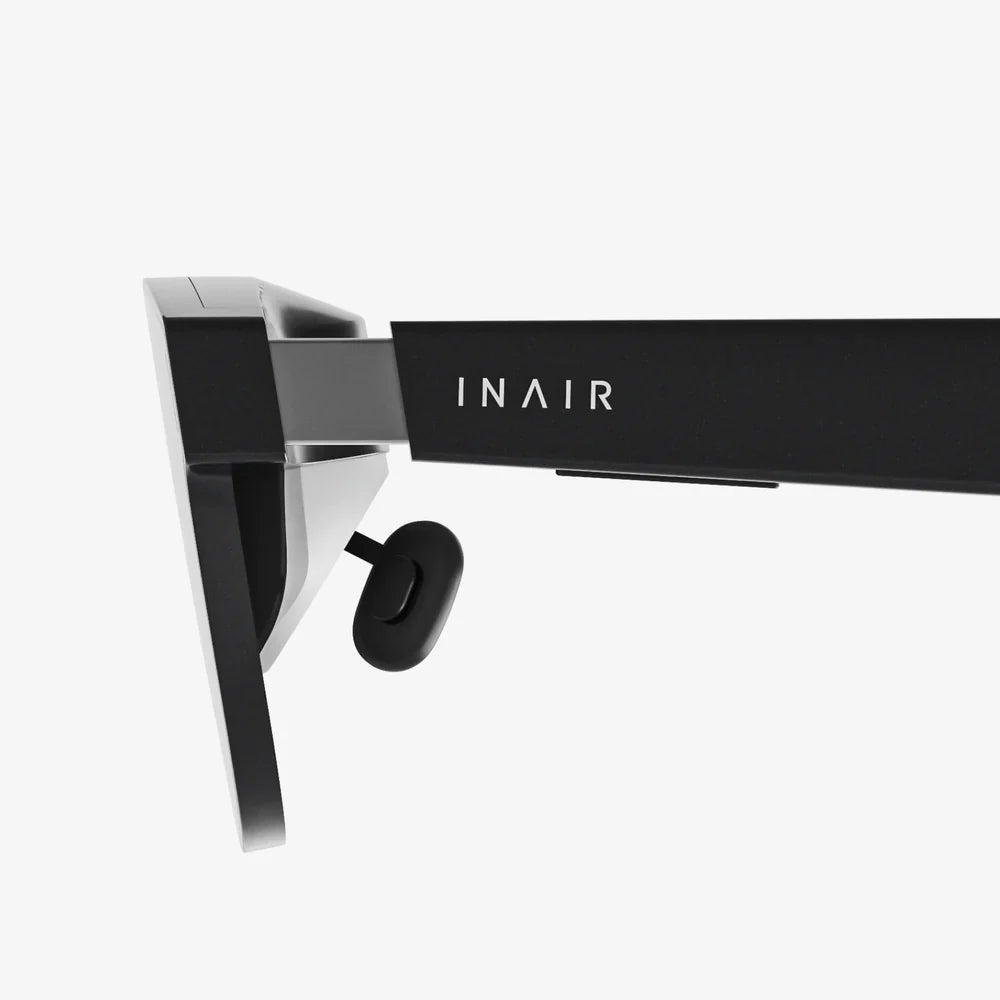
The most futuristic and rapidly evolving area of eyeglasses technology is the integration of digital components, giving rise to the category of smart glasses and augmented reality (AR) eyewear. This isn't about creating a fully immersive virtual world that blocks out reality; it's about seamlessly layering useful digital information onto the real world you're already seeing.
From Sci-Fi to Reality: The core technology enabling this feat involves miniature projectors, often using waveguides or holographic optical elements. These projectors are embedded within the eyeglass frames and beam information directly onto the lenses, which then reflect the image into the user's eye. This creates the illusion that text, images, or 3D models are floating in space several feet away. Early iterations were clunky and limited, but recent advancements have made the technology smaller, more efficient, and far more powerful.
Practical Applications Today and Tomorrow: The potential use cases for this technology are vast and extend far beyond novelty:
The key challenge remains making the technology socially acceptable—designing frames that look like ordinary, stylish eyeglasses while packing in significant computing power, battery life, and display technology. This is the holy grail the industry is tirelessly pursuing.
Another revolutionary trend is the move towards hyper-personalization. Eyeglasses are no longer a one-size-fits-all solution but are increasingly custom-tailored to an individual's unique visual needs, lifestyle, and even their biology.
Wavefront Technology: Borrowed from astronomy and laser eye surgery, wavefront technology, or aberrometry, creates an incredibly detailed 3D map of the entire optical system of the eye. It measures not just common refractive errors like nearsightedness and astigmatism, but also higher-order aberrations—subtle imperfections in the eye's optics that can cause issues like glare, halos, and reduced contrast sensitivity, especially in low light. Lenses can then be digitally surfaced and polished to correct these unique imperfections, resulting in vision that is often described as "super vision"—sharper, clearer, and with better contrast than was ever possible with standard lenses.
Personalized Progressive Lenses: Traditional progressive lenses, which correct for presbyopia (age-related near vision loss), have a fixed design that the wearer must adapt to. New digital design software allows opticians to create fully customized progressive lenses. Using precise measurements of how the frames sit on the wearer's face, their typical head and eye movements, and their specific visual requirements for work and hobbies, the lens' channels of power can be optimized for that individual. This drastically reduces the adaptation period and provides a wider, more natural field of view for reading and intermediate tasks like computer use.
Perhaps the most profound development on the horizon is the use of eyeglasses as a continuous health monitoring platform. The eye is a unique window into the body's vascular and neurological systems, and sensors embedded in frames can gather a wealth of data without any active effort from the wearer.
Biometric Sensors: Prototypes and early-stage products are exploring the use of tiny, non-invasive sensors in the nose pads and temple tips of frames. These sensors could potentially track a range of metrics:
Long-Term Health Insights: The true power of this technology lies in longitudinal data collection. By monitoring trends over weeks, months, and years, intelligent algorithms could detect subtle changes that might signal the onset of health issues like hypertension, sleep disorders, or even certain neurological conditions. This data, owned and controlled by the user, could be shared with healthcare providers to enable truly preventative and personalized medicine, all gathered passively through a device you're already wearing every day.
As technology advances, the industry is also turning its attention to its environmental footprint. The future of eyeglasses technology isn't just about what they can do, but also how they are made.
Innovations include the use of recycled and bio-based acetates for frames, more efficient manufacturing processes that reduce waste, and lens recycling programs. The concept of modularity is also gaining traction—designing frames where components like temples, nose pads, or even the embedded tech modules can be easily replaced or upgraded, extending the life of the product and reducing electronic waste. This move towards a circular economy model ensures that the pursuit of technological advancement is matched by a responsibility to the planet.
The quiet hum of innovation behind the eyeglass industry is building to a crescendo, promising a future where your glasses are not just a tool for clear sight, but a guardian of your health, a guide through your day, and a seamless bridge between your physical reality and the digital universe. The next time you put on your pair, consider that they may soon be the most intelligent and indispensable device you own.
Share:
Disadvantages of AR and VR: The Hidden Costs of Immersive Technology
Augmented Reality The Digital Layer Reshaping Our Physical World