


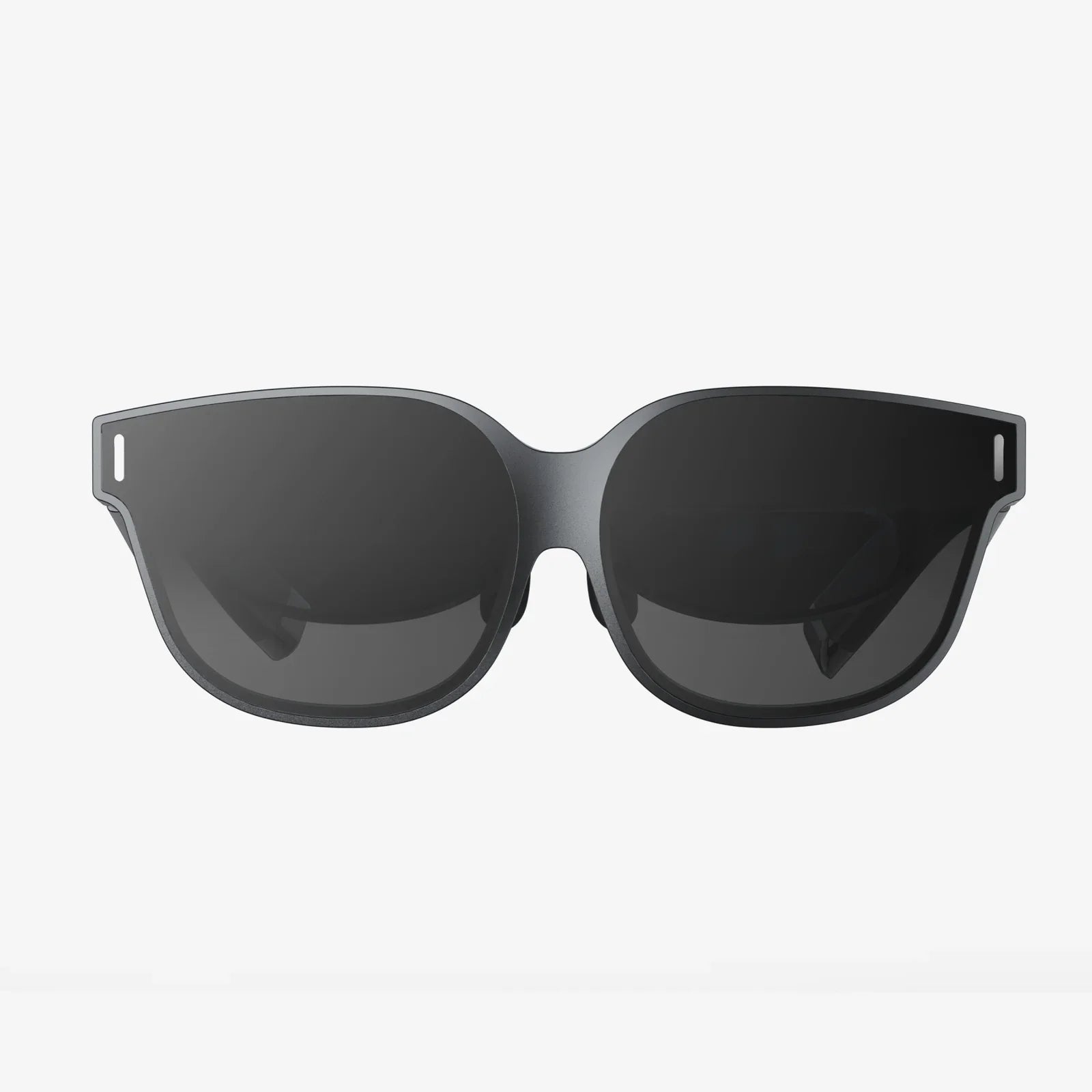
Imagine a world where your favorite playlist scores your morning commute, your podcast narrates your walk through the park, and your important calls are handled seamlessly—all without a single wire in sight or a bud in your ear. This isn't a glimpse into a distant future; it's the reality being crafted today by the innovative fusion of eyewear and audio technology. Eyeglasses with speakers are quietly positioning themselves to be the next must-have wearable, promising a blend of convenience, accessibility, and a new form of social etiquette that challenges the ubiquitous earphone. They represent a fundamental shift from something you carry or insert into your ear to something you simply wear, integrating technology so seamlessly into a daily essential that it almost disappears.
The Convergence of Form and Function
The genesis of eyeglasses with integrated audio is a masterclass in convergent innovation. It’s the meeting point of two distinct technological trajectories: the relentless miniaturization of audio components and the evolution of smart eyewear. For decades, audio technology has been on a path toward becoming smaller and more efficient, moving from large speakers to discreet earbuds. Simultaneously, eyewear has evolved from a purely vision-correcting tool to a fashion statement and, more recently, a platform for augmented reality and digital overlays. Eyeglasses with speakers sit at the sweet spot of this convergence. They are not merely headphones attached to frames; they are a reimagining of the audio form factor. By embedding tiny transducers or bone conduction sensors into the temples, engineers have found a way to deliver sound directly to the wearer without obstructing the ear canal. This design philosophy prioritizes awareness and comfort, acknowledging that our interaction with technology shouldn't come at the cost of disconnecting from our immediate environment.
How The Magic Works: A Tale of Two Technologies
Not all audio-enabled glasses are created equal, and the user experience hinges significantly on the underlying technology. The two primary methods for delivering sound are fundamentally different, each with its own set of advantages and trade-offs.
Bone Conduction Technology
This method bypasses the eardrum entirely. Miniaturized transducers housed in the temples vibrate subtly against the wearer’s skull bones. These vibrations travel directly to the cochlea, the inner ear organ responsible for hearing, where they are interpreted as sound. The primary benefit of this technology is unparalleled situational awareness. Since the ear canal remains completely open, the wearer can hear ambient noises—oncoming traffic, a colleague's call, or the sounds of nature—with perfect clarity. This makes them exceptionally popular among cyclists, runners, and individuals who need to remain alert while enjoying audio content. The perceived sound quality can sometimes lack the deep bass response of traditional headphones, as the sound is not amplified within the sealed chamber of the ear.
Open-Air Speakers (Direct Sound Transducers)
This approach uses tiny, sophisticated speakers positioned close to the ear, but not inside it. They project sound downward into the ear canal without creating a seal. Think of it as a personal miniature speaker system hovering near your ear. The sound quality from these systems can be remarkably rich and full, often surpassing bone conduction in terms of bass response and overall audio fidelity. However, because the sound is projected into the air, there is a higher potential for sound leakage at high volumes, meaning people in very close proximity might hear a faint whisper of your audio. Advanced models employ wave-guiding technology and precise acoustic engineering to minimize this leakage, making it a non-issue at moderate listening levels in all but the most silent environments.
Beyond Music: A Multifunctional Tool for Modern Life
While streaming music is an obvious application, the true value of this technology unfolds across a wide spectrum of daily activities. Their hands-free, always-available nature makes them ideal for productivity and communication. Professionals can engage in extended conference calls without the ear fatigue associated with earbuds, seamlessly transitioning between their computer audio and a call. For language learners, they provide an immersive way to listen to lessons and podcasts throughout the day. They are a boon for gamers seeking a more comfortable alternative to headsets for long sessions, and they offer a discreet way to enjoy audio description tracks for visually impaired users in public spaces. Furthermore, their integration with voice assistants allows for instant access to information, setting reminders, or controlling smart home devices with a simple voice command, all without reaching for a phone.
The Social and Practical Advantages
The design of eyeglasses with speakers addresses several pain points associated with traditional audio devices, offering compelling social and practical benefits that extend far beyond simple convenience.
Unmatched Situational Awareness
This is arguably the most significant advantage. By leaving the ears open, these devices allow users to remain fully engaged with their surroundings. This is a critical safety feature for urban dwellers and outdoor enthusiasts, eliminating the dangerous auditory isolation caused by noise-cancelling earbuds. You can enjoy your audio while maintaining a natural awareness of everything happening around you.
All-Day Comfort
Earbud fatigue is a real phenomenon. The pressure of in-ear designs, the irritation of silicone tips, and the feeling of being "plugged up" are completely eliminated. Since you are already accustomed to wearing glasses, the addition of audio feels weightless and natural. There is nothing to insert, adjust, or worry about falling out, making them comfortable for extended wear throughout an entire day.
Discreet and Socially Acceptable
In a meeting or a conversation, wearing traditional headphones can signal that you are unavailable or uninterested. Eyeglasses with speakers are virtually invisible to others. You can listen to music or take a call while maintaining eye contact and appearing fully present, navigating social interactions with a new layer of auditory discretion that was previously impossible.
Navigating the Limitations and Considerations
As with any emerging technology, it is not without its compromises. Potential buyers should be aware of these factors to set realistic expectations. Audio quality, while impressive for the form factor, may not satisfy dedicated audiophiles seeking the pristine, isolated soundscape of high-end over-ear headphones. The open-ear design means that performance can suffer in very loud environments, like a noisy subway car, where ambient sound can easily overwhelm the audio. Battery life is another consideration; while sufficient for a full day of intermittent use, they typically cannot match the multi-day endurance of some wireless earbuds, necessitating nightly or daily charging. Finally, the need for a prescription can be a hurdle for those who don’t normally wear vision correction. However, many manufacturers offer non-prescription plano lenses as a standard option, making the technology accessible to all.
The Future is Clear (and Sounds Amazing)
The trajectory for audio-enabled eyewear points toward even deeper integration and smarter features. We can anticipate advancements in active noise cancellation tailored for open-ear designs, allowing wearers to digitally soften harsh environmental noise without complete isolation. More sophisticated beamforming microphones will enhance call clarity in windy or noisy conditions. The true endgame, however, is the seamless merger with augmented reality. Imagine visual directions from your navigation app appearing in your lenses, accompanied by audio cues delivered through the speakers, or historical facts about a landmark popping up as you look at it, narrated directly into your ears. This combination of visual and auditory augmented reality, housed in a familiar form factor, could finally be the key to bringing AR into the mainstream.
This isn’t just another gadget; it’s a paradigm shift in how we interact with our digital auditory world. They offer a compelling vision of technology that adapts to us, rather than forcing us to adapt to it. By weaving sound into the fabric of an object we already wear every day, they remove friction, enhance safety, and promote a more connected existence between our digital lives and the physical world around us. The next time you see someone wearing glasses and smiling quietly to themselves, they might not be lost in thought—they might be listening to a symphony, taking a call, or hearing a story, all through the invisible revolution happening right on the bridge of their nose.
Share:
Wearable Tech Products Are Reshaping Our Daily Lives and Futures
Wearable Tech Products Are Reshaping Our Daily Lives and Futures