


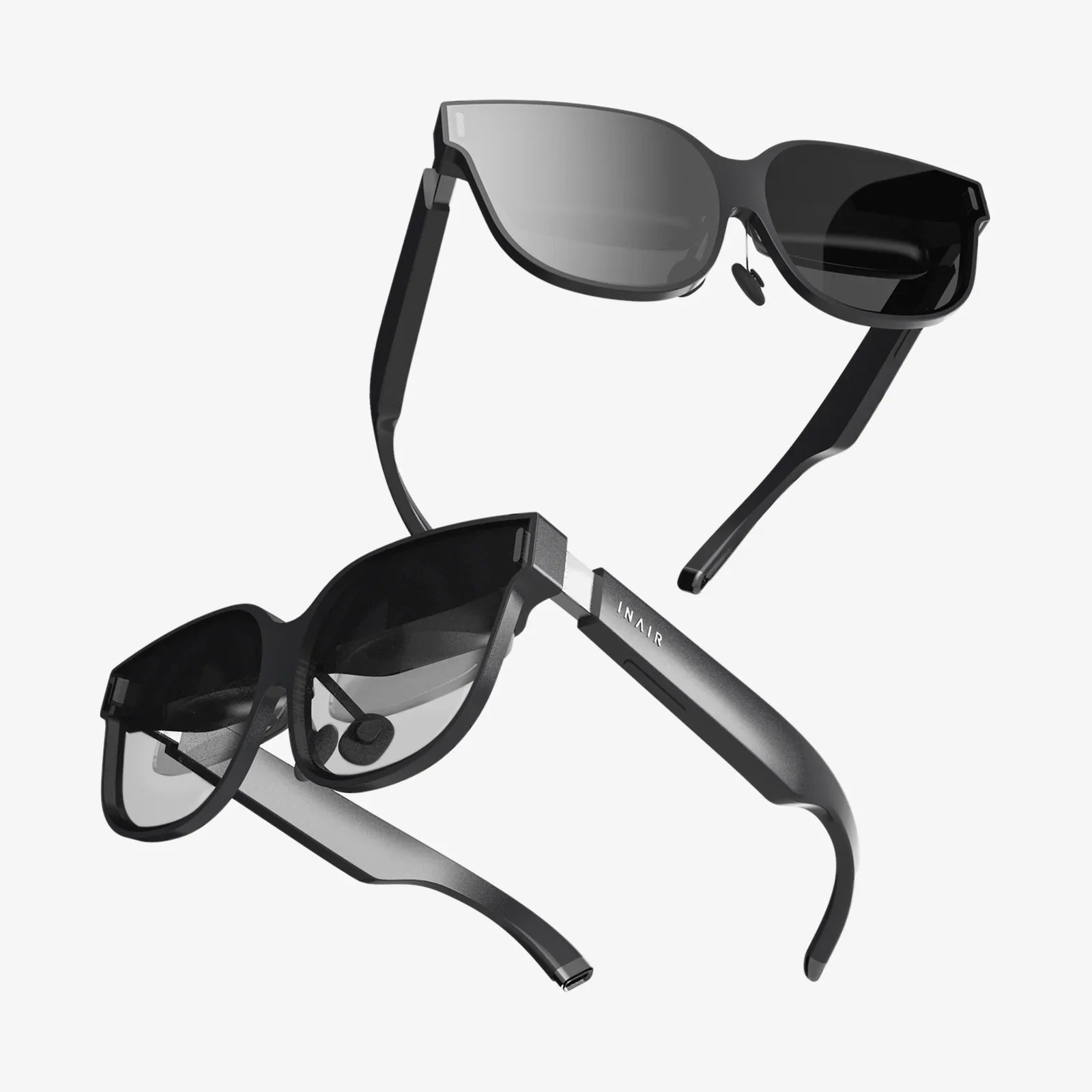
Imagine a world where your glasses do more than just help you see clearly—they connect you to digital information, monitor your health, protect your eyes from harm, and adapt to your environment in real-time. This isn't science fiction; it's the current reality of eyewear technology, a field experiencing one of the most dramatic transformations in the history of personal accessories. What was once a simple vision correction tool has evolved into a sophisticated platform that merges the physical and digital worlds, creating seamless experiences that enhance our daily lives in ways we're only beginning to understand.
The Historical Foundation: From Magnification to Innovation
The journey of eyewear spans centuries, beginning with primitive magnifying lenses and evolving through countless innovations in optics and materials. For hundreds of years, the primary function remained unchanged: to correct vision. The fundamental breakthrough came with the understanding of how precisely ground lenses could bend light to compensate for visual imperfections. This basic principle enabled the creation of spectacles that addressed myopia, hyperopia, astigmatism, and presbyopia.
The 20th century brought material science revolutions that transformed eyewear from fragile glass constructions to durable, lightweight alternatives. The development of impact-resistant materials, scratch-resistant coatings, and photochromic lenses that darken in sunlight represented significant technological leaps. These innovations improved safety, comfort, and convenience, setting the stage for the more radical transformations that would follow in the digital age.
Throughout this history, eyewear remained primarily reactive—a tool to address existing vision problems. The paradigm shift occurring today moves eyewear into a proactive and augmentative role. Modern technology isn't just improving vision correction; it's expanding the very definition of what glasses can do, transforming them from passive optical devices into active computational platforms.
The Digital Integration: When Glasses Became Smart
The most visible revolution in eyewear technology has been the integration of digital displays and connectivity, creating what we now recognize as smart glasses. This category represents the convergence of optical science, microelectronics, and software engineering, resulting in devices that overlay digital information onto the physical world.
At the heart of this technology are miniature displays, often using microLED or Liquid Crystal on Silicon (LCoS) technology, that project images directly into the user's field of view. These displays are incredibly precise, measuring just millimeters across while delivering high-resolution imagery. Coupled with waveguides or other optical systems, they direct light toward the retina while remaining largely invisible to outside observers.
The computational power required to drive these displays is housed within the frame itself, with miniaturized processors, memory, and wireless connectivity chips embedded seamlessly. This enables real-time access to information, notifications, navigation prompts, and communication systems without requiring the user to look down at a separate device. The interface is increasingly controlled through voice commands, touch-sensitive frames, or even gesture recognition, creating hands-free interaction with digital content.
Beyond mere convenience, this technology has profound implications for accessibility, providing new ways for people with visual or hearing impairments to interact with their environment and digital world. Real-time captioning, object recognition, and magnification features built directly into eyewear are removing barriers that have persisted for generations.
Health Monitoring: The Diagnostic Potential of Smart Frames
Perhaps the most transformative application of modern eyewear technology lies in health monitoring. The positioning of glasses on the head creates unique opportunities for continuous, non-invasive health tracking that other wearable devices cannot match. Sophisticated sensors embedded in the frames can monitor a surprising array of physiological metrics with clinical-grade precision.
Photoplethysmography (PPG) sensors, typically located on the nose pads or temple tips, can measure blood flow characteristics to track heart rate, heart rate variability, and even blood oxygen saturation. These measurements provide insights into cardiovascular health, stress levels, and overall fitness. Meanwhile, inertial measurement units (IMUs) track head movement patterns that can indicate neurological conditions, balance issues, or the onset of fatigue.
Perhaps most significantly, the proximity to the eyes enables monitoring of ocular health metrics that serve as windows to broader health conditions. Pupillometry—the measurement of pupil size and reactivity—can provide early indications of neurological disorders, concussion effects, cognitive load, and even certain psychological states. Subtle eye movement patterns can reveal everything from sleep deprivation to the early stages of neurodegenerative diseases.
This continuous health monitoring creates unprecedented opportunities for preventive medicine and early intervention. Rather than relying on occasional check-ups, healthcare providers could receive ongoing data streams that highlight concerning trends before they develop into serious conditions. For chronic disease management, elderly care, and athletic performance optimization, smart eyewear offers a comfortable, unobtrusive solution that integrates seamlessly into daily life.
Adaptive Vision: Lenses That Think
Another revolutionary advancement comes in the form of adaptive lenses that automatically adjust to changing conditions. While photochromic technology that darkens in sunlight has been available for decades, new developments have dramatically expanded this capability. Electrochromic lenses can now change their tint electronically within seconds, transitioning from clear to dark at the touch of a button or automatically based on ambient light sensors.
More impressively, liquid crystal technology enables the creation of lenses that can switch between transparent and opaque states, potentially serving as built-in shades or privacy screens. Some experimental prototypes can even adjust their optical power dynamically, effectively creating autofocus capabilities that could eliminate the need for separate reading glasses or bifocals.
These adaptive technologies extend to blue light filtering, with lenses that can dynamically adjust their filtration based on time of day and usage patterns. Research suggests that excessive blue light exposure, particularly from digital screens, can disrupt circadian rhythms and cause digital eye strain. Smart lenses can mitigate these effects by selectively filtering specific wavelengths when needed while maintaining optimal color perception.
For those with specific visual impairments, augmented reality overlays can enhance contrast, highlight edges, or magnify specific areas of the visual field. This technology goes beyond simple correction to actually enhancing visual capability, helping users navigate challenging environments with greater confidence and safety.
Materials Science: The Invisible Innovation
Behind many of these advancements lies a quiet revolution in materials science that has enabled thinner, lighter, stronger, and more functional eyewear. Advanced polymers with memory properties can return to their original shape after being bent, while metal alloys offer unprecedented strength-to-weight ratios. Nanocoatings provide resistance to water, oil, dust, and scratches without affecting optical clarity.
Perhaps most exciting are developments in flexible electronics that allow circuitry to be printed directly onto curved surfaces. This enables the integration of technology without adding bulk or compromising design. Transparent conductive materials can create invisible antennas and touch surfaces, while energy-harvesting technologies can extend battery life by converting light or motion into electrical power.
These material innovations aren't just about functionality—they're also enabling more sustainable production methods. Biodegradable frames derived from castor beans, recycled materials, and modular designs that allow for easy repair and upgrading are reducing the environmental impact of eyewear. The combination of advanced performance and ecological responsibility represents a significant step forward for an industry historically dependent on petroleum-based plastics.
Artificial Intelligence: The Brains Behind the Frames
None of these hardware innovations would reach their full potential without corresponding advances in artificial intelligence and machine learning. AI algorithms process the vast streams of data collected by eyewear sensors, transforming raw numbers into meaningful insights about health, behavior, and environment.
Computer vision capabilities enable real-time object recognition, text translation, and facial recognition—all processed locally on the device for privacy and speed. Natural language processing allows for intuitive voice control and real-time translation between languages, breaking down communication barriers. Predictive algorithms can learn user patterns and preferences to anticipate needs and provide information before it's explicitly requested.
Perhaps most importantly, AI enables contextual awareness—the ability to understand what information is relevant based on time, location, and activity. This prevents wearers from being overwhelmed with notifications and ensures that digital enhancements truly augment rather than distract from real-world experiences.
As these AI systems become more sophisticated, they're increasingly able to operate with minimal cloud connectivity, processing data on the device itself. This edge computing approach enhances privacy, reduces latency, and ensures functionality even when internet access is unavailable.
Privacy and Ethical Considerations
The capabilities of modern eyewear technology inevitably raise important questions about privacy, security, and ethical use. Devices that can continuously record audio and video, monitor physiological states, and track location create potential for unprecedented surveillance—both by individuals and institutions. The very nature of wearable technology means it captures not just data about the user but also about everyone they encounter throughout their day.
Responsible development of these technologies requires robust privacy protections built into both hardware and software. Features like physical camera shutters, obvious recording indicators, and granular permission systems help users maintain control over their data. On-device processing rather than cloud storage for sensitive information provides additional protection against unauthorized access.
Beyond privacy, there are broader societal considerations about how these technologies might create new forms of digital divide or alter social interactions. As with any powerful technology, the development must be guided by ethical principles that prioritize human wellbeing over mere technological possibility. Transparent policies, user control, and thoughtful design can help ensure that eyewear technology enhances rather than diminishes our humanity.
The Future Vision: Where Eyewear Technology Is Headed
The trajectory of eyewear technology points toward even more seamless integration of digital and physical experiences. We're moving toward interfaces that respond not just to voice and touch but to brainwaves and eye movements. Developments in augmented reality promise to eventually replace screens entirely with spatial computing experiences projected directly onto our retinas.
Materials science will likely deliver even thinner, lighter designs with extended battery life or even self-powering capabilities through solar or kinetic energy harvesting. Biometric sensors will become more sophisticated, potentially capable of detecting glucose levels through tear analysis or identifying early markers of disease through subtle changes in eye physiology.
The distinction between prescription eyewear and technology will continue to blur until all glasses offer some level of smart functionality. Customization will reach new heights with 3D printing enabling perfect individual fit and style preferences. Ultimately, we may see the development of truly adaptive vision systems that can correct for virtually any visual impairment dynamically, potentially even restoring sight to those with certain types of blindness.
As these technologies mature, they'll become increasingly accessible, moving from specialized devices to mainstream products that enhance lives across economic and social spectra. The goal is not to create isolated technological marvels but to develop tools that seamlessly integrate into human experience, enhancing our capabilities without drawing attention to themselves.
The revolution happening in eyewear technology represents one of the most significant convergences of physical and digital innovation in our time. These devices on our faces are becoming portals to enhanced perception, health management, and digital interaction—all while remaining stylish accessories that express personal identity. The future of seeing is here, and it looks smarter, healthier, and more connected than ever before.
Share:
Top Augmented Reality Apps That Are Reshaping Our Digital and Physical Worlds
Augmented Reality Italia: The Renaissance of Perception in the Italian Digital Age