


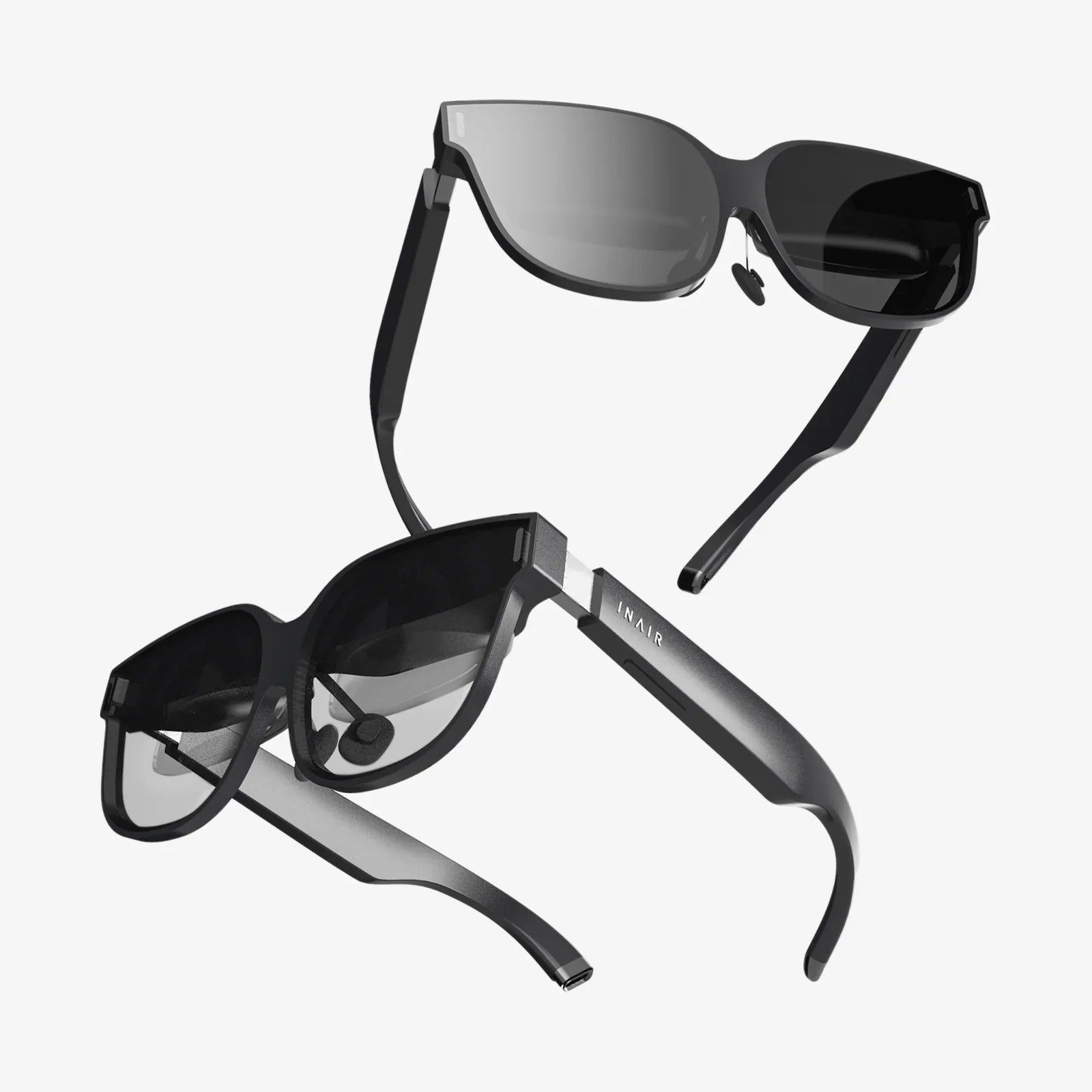
- by wangfred
Facts VR: Separating the Virtual Promise from the Augmented Hype
- by wangfred
You’ve seen the headlines, the flashy promotional videos, and the science-fiction dreams. Virtual Reality is either the next great leap in human-computer interaction or an overhyped gimmick destined for the gadget graveyard. But beyond the buzzwords and marketing spin lies a rapidly maturing technology with a compelling, evidence-based story to tell. It’s time to put on the headset and look at the facts.
Before we can separate fact from fiction, we must understand the core technological principles that make Virtual Reality possible. It’s not magic; it’s a sophisticated orchestration of hardware and software designed to trick the human brain.
Visual Immersion: The primary gateway to a virtual world is sight. Modern head-mounted displays utilize two high-resolution, high-refresh-rate screens (one for each eye) placed behind precision lenses. This creates a stereoscopic 3D effect, providing depth perception. A critical fact often overlooked is the concept of the field of view (FOV). A narrow FOV feels like looking through binoculars, breaking immersion. Advanced systems strive for a FOV that matches or exceeds human binocular vision, typically around 180-220 degrees, to create a truly encompassing experience.
Precise Tracking: For the virtual world to feel responsive and real, the system must know exactly where your head and, in many cases, your hands are located. This is achieved through a combination of technologies:
Auditory Feedback: True immersion is multi-sensory. Spatial audio, or 3D audio, is a technology that mimics how sound waves interact with the human head and ears. In a VR environment, a sound coming from your left will be slightly louder in your left ear and will reach it a fraction of a second sooner than your right ear. This auditory cue is a powerful, often subconscious factor in selling the reality of a virtual space.
Haptics and Touch: The final frontier of immersion is touch. Advanced controllers provide rudimentary haptic feedback through vibrations. However, the future lies in haptic gloves and suits that can simulate the pressure and texture of virtual objects, though this technology remains in its relative infancy for consumer markets.
While gaming provided the initial commercial drive for VR, the most compelling facts about its potential lie in serious, real-world applications. The data from these fields is not speculative; it's demonstrating measurable outcomes.
The medical field has embraced VR not as a novelty, but as a powerful tool for education and treatment. The facts are clear:
Educational institutions and corporations are leveraging a fundamental fact about human cognition: we learn better by doing. VR transforms abstract concepts into experiential lessons.
For architects and engineers, VR has moved from a cool visualization trick to an essential design and collaboration tool. The fact that stakeholders can literally walk through a building before a single brick is laid is eliminating costly errors and improving client communication. Design changes that might cost thousands of dollars post-construction can be identified and fixed for pennies in the virtual model.
To discuss the facts of VR is to also confront its current shortcomings. Ignoring these is a disservice to understanding the technology's true place in our world.
Simulator Sickness: A significant portion of users experience nausea, dizziness, and eye strain, a phenomenon known as cybersickness. It's primarily caused by a latency lag between a user's physical movement and the visual response on the screen. While higher refresh rates and better tracking have mitigated this for many, it remains a barrier to universal adoption.
The Social Isolation Paradox: While VR can connect people across vast distances in shared virtual spaces, there is an ongoing debate about its potential to foster a new kind of social isolation in the physical world. The long-term psychological effects of spending significant time in virtual environments are not yet fully understood.
Cost and Accessibility: High-end, truly immersive VR requires a powerful computer and an expensive headset, putting it out of reach for many consumers and institutions. While standalone headsets have lowered the barrier to entry, there is still a significant gap between their capabilities and high-fidelity systems.
Content Limitations: The library of deep, meaningful, and professional-grade VR experiences, especially outside of gaming, is still growing. Creating high-quality VR content remains expensive and time-consuming, though this is rapidly changing.
The most exciting evolution may not be a purely virtual world, but a blended one. The line between Virtual Reality (fully digital) and Augmented Reality (digital overlays on the real world) is blurring into what is often called Mixed Reality (MR). The future fact will likely be a device that can seamlessly transition between opaque VR for full immersion and transparent AR for contextual information overlayed on your physical surroundings. This convergence promises to unlock applications we are only beginning to imagine, from interactive manuals that show you how to repair an engine to navigation cues painted onto the street in front of you.
The narrative around Virtual Reality is finally moving from speculative fiction to demonstrable fact. It is a tool—powerful, versatile, and increasingly accessible—with the proven capacity to heal, teach, and connect us in ways previously confined to imagination. The headset is no longer just a portal to fantastical worlds; it's becoming a window into a more efficient, empathetic, and deeply understood reality, and the data is now here to prove it.
Share:
AI Tools for Remote Work: The Ultimate Guide to a Smarter, More Productive Virtual Office
New AI Tool China: The Silent Revolution Reshaping Global Technology