


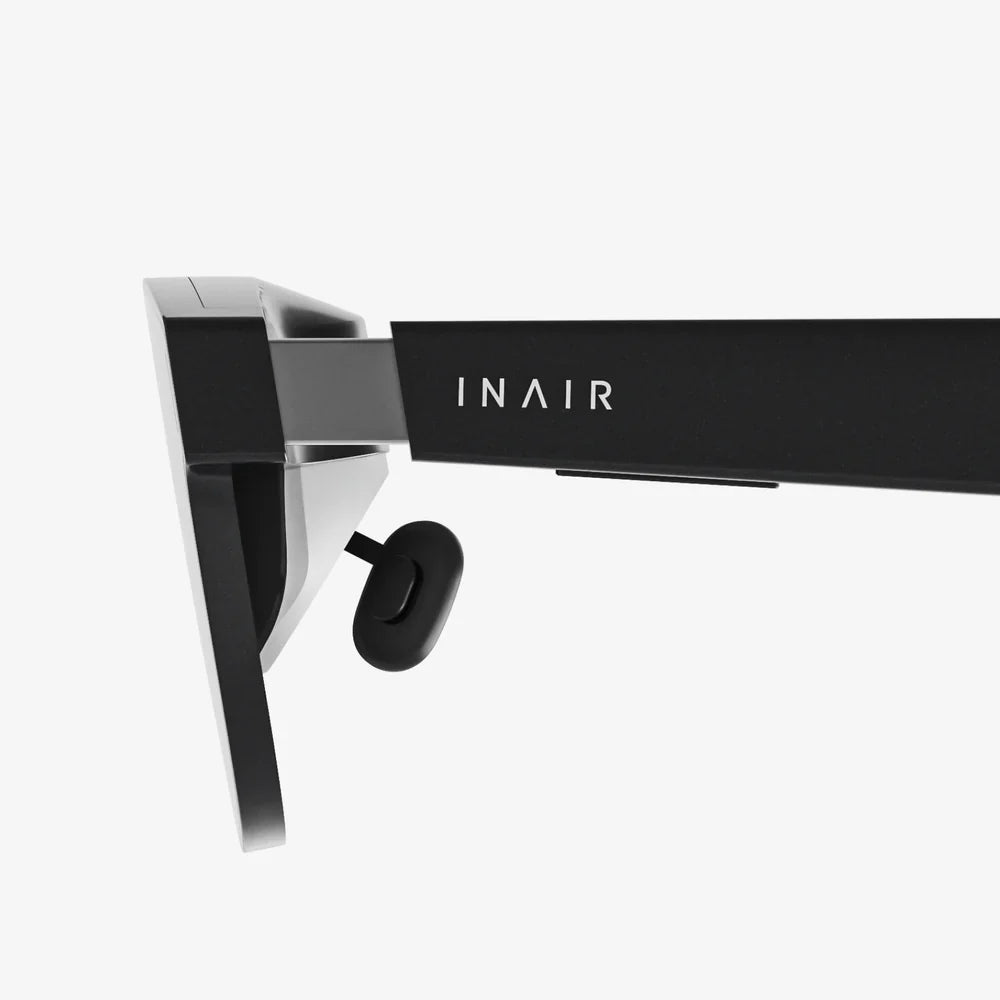
Imagine a world where your accessories don't just complement your outfit—they communicate with it, react to your environment, and even monitor your well-being, all while looking like they just stepped off a Parisian runway. This is no longer the realm of science fiction; it is the dazzling reality of fancy wearable technology. This burgeoning field represents a seismic shift in how we perceive our relationship with technology, moving it from our pockets and onto our bodies as integrated, expressive, and utterly elegant statements of personal identity and technological prowess.
From Clunky to Chic: The Evolution of a Revolution
The journey of wearable technology began with functionality, often at the expense of form. Early iterations were bulky, obtrusive, and designed with a purely utilitarian ethos. They were gadgets first, accessories a distant second, if at all. The turning point, the moment fancy wearable technology was truly born, came when designers and engineers asked a pivotal question: Why can't it be both? Why must powerful technology be hidden away when it can be celebrated as a centerpiece of personal style?
This paradigm shift was driven by a convergence of factors. Miniaturization allowed sensors and batteries to shrink to near-invisibility. Advances in material science introduced flexible, durable, and beautiful substrates—smart fabrics that could conduct electricity, 3D-printed lattices that could house circuitry, and traditional precious metals reimagined to serve a dual purpose. The consumer demand also evolved. People no longer wanted a piece of tech; they wanted a piece of them—something that reflected their taste, their aspirations, and their aesthetic.
Defining the "Fancy" in Functionality
So, what exactly elevates a piece of wearable technology from merely functional to truly "fancy"? It is a deliberate and artful fusion of key elements that prioritize design and experience without compromising on technological capability.
- Aesthetic Primacy: The device is conceived first as a piece of jewelry or a fashion item. Its design language—whether minimalist, avant-garde, or classically luxurious—is its primary feature. The technology is seamlessly integrated, often invisible to the naked eye, rather than being the obvious focal point.
- Premium Materials: Forget plastic and rubber. Fancy wearables utilize materials like surgical-grade stainless steel, ceramic, sapphire crystal, genuine leather, and even gold and diamonds. The tactility, weight, and finish are indistinguishable from high-end traditional accessories.
- Artisanal Craftsmanship: Many high-end wearables involve traditional jewelry-making techniques. This could mean hand-engraving, meticulous stone-setting, or leatherworking, ensuring each piece has a unique, hand-finished quality.
- Personalization and Exclusivity: True luxury lies in customization. Fancy wearables often offer bespoke options—interchangeable straps, custom-designed faces, or even made-to-order pieces that cater to the individual's specific style, making the technology a deeply personal artifact.
The Seamless Symphony of Form and Function
The magic of these devices lies in their ability to hide incredibly sophisticated technology in plain sight. A ring that appears to be a simple band of platinum might discreetly monitor your sleep patterns and stress levels through subtle biometric sensors. A pendant necklace could double as a personal safety device, activating with a discreet touch to alert emergency contacts. A pair of elegant earrings might contain advanced hearing aid technology or offer seamless language translation.
The user interface is also reimagined for elegance. Instead of glaring touchscreens, interactions might be through subtle haptic feedback (a gentle vibration), intuitive gestures (tapping the side of a ring), or even voice commands integrated so smoothly they feel like a natural conversation. The goal is to make the technology serve the user's life and style, not the other way around. Data is presented not as overwhelming streams of numbers but as insightful, ambient feedback—perhaps a gentle warmth from a bracelet to indicate you've been stationary too long, or a gradual change in the color of a gemstone to reflect your daily activity goal.
Beyond the Wrist: The Expansive Canvas of the Body
While smartwatches and fitness trackers popularized the category, fancy wearable technology has exploded beyond the wrist, treating the entire human form as a canvas for innovation.
- Smart Jewelry: Rings, necklaces, bracelets, and brooches are becoming the most popular form factors for discreet, elegant tech. They often focus on specific, meaningful functions like activity tracking, mindfulness reminders, or safety features.
- Tech-Infused Apparel: The world of high fashion has embraced wearable tech with open arms. We see dresses with fiber-optic threads that change color and pattern, jackets with integrated heating elements controlled by a smartphone, and athletic wear with woven-in sensors that analyze muscle form and performance.
- Intelligent Footwear: Smart shoes can now adapt their cushioning and support in real-time based on the terrain and the wearer's gait, all while looking like a designer sneaker or formal shoe.
- Beauty and Wellness Tech: This includes devices like smart jewelry that tracks UV exposure to warn of sunburn risk, or hair accessories that monitor scalp health. The line between wellness, beauty, and technology is beautifully blurring.
The Deeper Impact: Technology as Self-Expression
The significance of fancy wearable technology extends far beyond convenience. It represents a fundamental change in our cultural relationship with machines. For decades, technology was something we used. Then, with the smartphone, it became something we constantly carried. Now, with fancy wearables, it is becoming something we are.
These devices are powerful tools for self-expression. The choice of a tech-infused ring over a traditional smartwatch is a stylistic statement. Wearing a glowing, interactive gown to a gala is a performance. This technology allows individuals to outwardly project their inner fascination with innovation, their commitment to health, or their unique aesthetic vision. It demystifies technology and makes it intimate, personal, and human. It's no longer about owning the most powerful processor; it's about owning the most you piece of tech.
Navigating the Challenges: The Road Ahead for Luxury Tech
Despite its exciting potential, the path for fancy wearable technology is not without its obstacles. The fusion of two historically different industries—fast-paced technology and deliberate, season-driven fashion—creates friction. Technology cycles are measured in months, while fine jewelry is designed to last a lifetime. This creates a challenge in terms of upgradability and longevity. How does one keep a precious heirloom piece technologically relevant?
Furthermore, the price point for these artisanal tech items is often high, placing them in the luxury goods category and potentially limiting their accessibility. There are also ongoing concerns about data privacy and security, as these intimate devices collect a vast amount of personal biological and behavioral data. The industry must prioritize transparent data practices and robust security to maintain consumer trust.
A Glimpse into the Future: Where Do We Go From Here?
The future of fancy wearable technology is shimmering with possibility. We are moving towards even greater integration and intuitiveness. Imagine:
- True Bio-Integration: Devices that are not just on the skin but interact with it at a deeper level, perhaps through biodegradable sensors or interfaces that can analyze biomarkers from sweat with clinical-grade accuracy.
- Contextual and Predictive Awareness: Your accessories will not just collect data but understand it. Your necklace might suggest you take a moment to breathe because it detects elevated stress, or your ring could recommend a different route home based on real-time traffic and your historical preferences.
- The Rise of the Digital Twin: Fancy wearables will act as the physical bridge to our digital identities in the metaverse, authenticating users and mirroring their physical movements and style into virtual worlds.
- Sustainability by Design: The next wave will leverage recycled precious materials and modular designs where the tech core can be upgraded independently of the beautiful, timeless exterior, combating electronic waste.
The fusion of high fashion and high technology is not a passing trend; it is the foundation of a new era of personal computing. It promises a future where our technology understands not just our commands, but our context, our health, and our desire for beauty. It’s a future where the most powerful device you own won’t be in your hand—it will be on it, woven into your clothing, and adorning your body, working silently and elegantly to enhance your life. The age of clunky, impersonal gadgets is fading, making way for a world where technology is not just smart, but sophisticated, not just connected, but captivating, and where what you wear is quite literally the most intelligent thing about you.
Share:
AR Display Helmet: The Future of Immersive Experience and Situational Awareness
2D to 3D Model: The Complete Guide to Transforming Concepts into Reality