


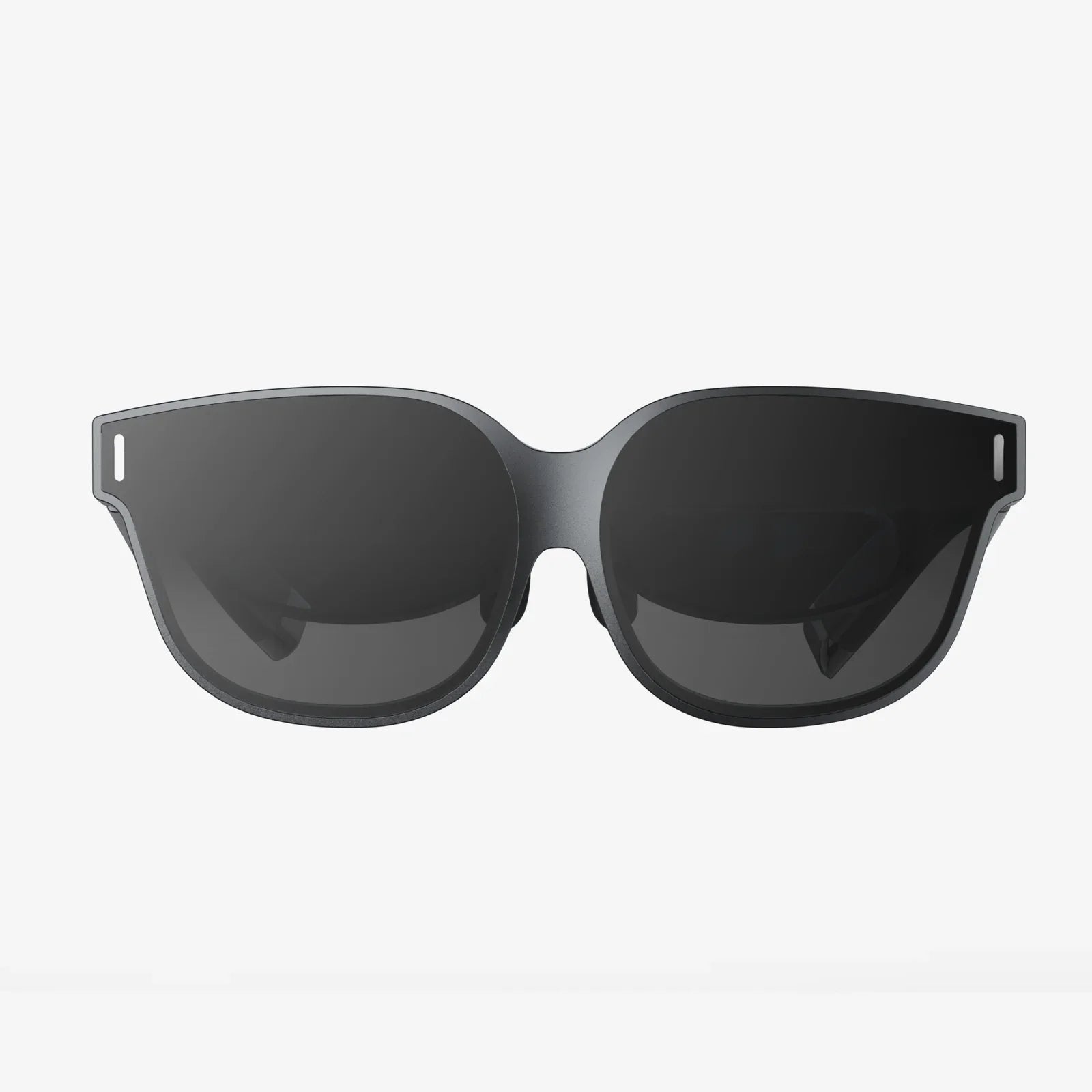
The phrase folding glass screen sounds almost impossible at first. Glass is supposed to be rigid, fragile, and anything but flexible. Yet in just a few years, folding displays have gone from futuristic concept to real devices in people’s hands. If you are curious about how solid glass can bend, why anyone would want a folding screen, and whether these products are actually durable, you are in exactly the right place.
This guide explores the science, engineering, and user experience behind the folding glass screen revolution. You will see how ultra-thin glass is manufactured, how it bends without shattering, what compromises still exist, and how this technology is set to reshape smartphones, tablets, laptops, and even wearables. By the end, you will know what to look for when considering a foldable device and how this technology may evolve over the next decade.
What Is a Folding Glass Screen?
A folding glass screen is a display that uses an extremely thin layer of glass capable of bending along a predefined axis without breaking. Instead of relying solely on plastic-based flexible panels, these screens incorporate real glass that has been chemically or mechanically treated to achieve flexibility while maintaining many of glass’s advantages:
- Higher scratch resistance than most plastic films
- Improved clarity and sharpness for images and text
- Better structural rigidity across the flat areas of the display
The folding glass screen is usually part of a layered stack that includes:
- A flexible OLED or similar display panel
- The ultra-thin glass cover layer
- Adhesive layers to bond glass and display
- Protective coatings on the outer surface
These layers work together to produce a screen that can bend along a hinge while still feeling more like traditional glass under your fingers.
Why Folding Glass Screens Matter
The move from rigid screens to folding glass screens is not just a design trend. It solves several real-world problems and unlocks new possibilities:
- Portability vs. screen size: People want large displays without carrying large devices. Folding screens let a device be compact in your pocket yet expansive when unfolded.
- Multitasking: Bigger screens make split-screen and multi-window use more practical, improving productivity and entertainment.
- New form factors: Foldable phones, tablet-laptop hybrids, and wrap-around wearables all depend on flexible display technology.
- Enhanced media experiences: Reading, gaming, and streaming benefit from larger, more immersive displays that still fit into everyday life.
Without folding glass screens and similar flexible technologies, these form factors would be limited to less durable plastic covers that scratch easily and feel less premium.
How Can Glass Fold Without Breaking?
To understand the folding glass screen, it helps to remember that glass is not inherently brittle at all thicknesses. When glass becomes extremely thin, its ability to bend increases dramatically. The key is controlling the thickness, composition, and treatment of the glass.
The Role of Ultra-Thin Glass
Most folding glass screens use ultra-thin glass measured in tens of micrometers, often thinner than a human hair. At this scale:
- The glass can flex under controlled conditions without reaching its breaking point.
- The stress from bending is distributed across a small cross-section, reducing crack formation.
- Special treatments can further enhance flexibility and strength.
While this glass is flexible, it is still glass. It must be handled and supported carefully within the device structure to prevent catastrophic failure.
Chemical Strengthening and Ion Exchange
Many folding glass screens rely on chemical strengthening processes. One common approach is ion exchange, where the glass is submerged in a molten salt bath. During this process:
- Smaller ions in the glass are replaced by larger ions from the salt.
- This creates a layer of compressive stress on the surface of the glass.
- The compressive layer helps resist cracks from forming and spreading.
For a folding glass screen, the balance between flexibility and surface tension is critical. The glass must be strong enough to resist everyday damage, yet flexible enough to bend repeatedly along the hinge.
Controlled Bending Radius
The hinge mechanism in a folding device is carefully designed to ensure the glass never bends beyond a safe radius. The bending radius is the smallest curve the glass can tolerate without damage. For folding glass screens:
- The hinge guides the fold so the glass curves smoothly instead of creasing sharply.
- Mechanical stops may prevent over-folding or backward bending.
- Some designs create a teardrop-shaped curve in the folded position to reduce stress.
By controlling the bending radius, manufacturers dramatically increase the lifespan of the folding glass screen.
Inside the Layered Structure of a Folding Glass Screen
A folding glass screen is not just a single sheet of glass. It is a composite structure with several functional layers, each contributing to the overall performance.
Typical Layer Stack
Although exact designs vary, a common stack might include:
- Top protective coating: A thin, often transparent coating that improves scratch resistance and reduces fingerprints.
- Ultra-thin glass layer: The core of the folding glass screen, providing rigidity and glass-like feel.
- Optical adhesive: A clear adhesive that bonds the glass to the underlying display while minimizing reflections.
- Flexible OLED display: The panel that generates the image, built on a flexible substrate.
- Touch sensor layer: Capacitive sensors that detect finger input, often integrated with the display.
- Support layers: Additional films or substrates that provide mechanical stability.
Each layer must be flexible enough to bend along with the glass without delaminating or cracking.
Adhesives and Delamination Challenges
Adhesives used in folding glass screens are a critical engineering challenge. They must:
- Maintain strong bonding during millions of fold cycles.
- Stay optically clear and color-neutral over time.
- Resist yellowing, bubbling, or peeling under heat and humidity.
If the adhesive fails, the layers can separate, causing visible defects, touch issues, or even total display failure. Engineers spend significant effort testing adhesives under accelerated aging conditions to ensure long-term reliability.
Folding Glass Screen vs. Plastic Flexible Displays
Before folding glass screens became feasible, early foldable devices relied on plastic cover layers. Comparing the two helps explain why glass-based solutions are so important.
Advantages of Folding Glass
Folding glass screens offer several advantages over plastic covers:
- Scratch resistance: Glass is generally much harder than plastic, so it remains clearer and smoother over time.
- Premium feel: Users often prefer the cool, solid feel of glass under their fingers.
- Optical quality: Glass can provide better clarity, less distortion, and improved contrast.
- Dimensional stability: Glass resists warping and stretching better than many plastics.
Advantages of Plastic Covers
Plastic-based flexible displays still have some strengths:
- Higher flexibility: Plastic can often bend more sharply than glass, enabling tighter folds.
- Impact resistance: Plastic may dent or scratch, but it is less likely to shatter.
- Lower cost: Some plastic solutions can be cheaper to produce.
Many modern designs blend both worlds, using a folding glass screen with additional protective layers that behave more like plastic at the very surface, while retaining the core benefits of glass underneath.
Durability and Reliability Concerns
One of the biggest questions around any folding glass screen is durability. Users worry about cracks, creases, and long-term reliability. Engineers address these concerns through extensive testing and design strategies.
Fold Cycle Testing
Manufacturers typically test folding glass screens through automated machines that open and close devices hundreds of thousands of times. These tests aim to simulate years of everyday use. During testing, engineers monitor:
- Appearance of visible creases along the fold line
- Changes in touch sensitivity in the folding region
- Pixel defects or color shifts in the display
- Glass micro-cracks or delamination
While lab tests cannot predict every real-world scenario, they help refine designs and identify weak points before mass production.
Creases and Visual Artifacts
Many folding glass screens show a visible crease or slight ripple along the fold line, especially when reflecting light. This happens because:
- The glass and underlying layers are repeatedly stressed at the same location.
- Tiny deformations accumulate over time, affecting the surface profile.
Engineers work to minimize these creases through hinge design, layer composition, and improved materials, but they have not been completely eliminated. For most users, the crease becomes less noticeable during regular content viewing, but it remains a key area of ongoing improvement.
Impact and Drop Resistance
Because folding glass screens are thinner than traditional cover glass, impact resistance is a concern. To mitigate this:
- Devices often include shock-absorbing layers beneath the display.
- The hinge area may be reinforced to protect the most vulnerable region.
- Protective frames and bezels help absorb drops at the edges.
Users are still generally advised to handle folding devices with more care than standard phones or tablets, especially when the device is open.
Designing the Hinge for a Folding Glass Screen
The hinge is the mechanical heart of any folding device. It must coordinate with the folding glass screen to ensure smooth, safe motion and long-term reliability.
Key Hinge Functions
A well-designed hinge should:
- Guide the fold along a precise path.
- Maintain a safe bending radius for the glass.
- Provide a satisfying opening and closing feel.
- Minimize gaps where dust and debris could enter.
- Support multiple usage positions (partially open, fully open, tent mode, etc.).
Hinge complexity varies widely. Some use multi-link systems with dozens of components, while others rely on simpler but carefully tuned mechanisms.
Protecting Against Dust and Debris
Dust and small particles pose a serious threat to folding glass screens. If particles become trapped between the layers or near the hinge:
- They can create pressure points on the glass.
- They may scratch the surface when the device is folded.
- They can interfere with the hinge motion.
To address this, devices may include:
- Brushes or flexible barriers inside the hinge.
- Seals and gaskets around vulnerable openings.
- Special geometries that channel debris away from the screen.
These protections are crucial for maintaining the integrity of the folding glass screen over time.
User Experience: What It Feels Like to Use a Folding Glass Screen
Beyond the engineering, the success of folding glass screen technology depends on how it feels and functions in daily use. Several aspects define the user experience.
Touch and Tactile Feel
Users often notice that folding glass screens feel closer to traditional glass than plastic covers. This includes:
- A smoother glide for fingers and styluses.
- Less friction and stickiness compared to some plastics.
- A more solid sensation when tapping or typing.
However, because the glass is thin and sometimes combined with protective films, the surface may feel slightly softer or more flexible when pressed firmly, especially near the fold.
Visual Experience and Aspect Ratios
Folding glass screens enable unconventional aspect ratios and multi-mode usage. For example:
- In phone mode, a tall, narrow screen is easy to hold with one hand.
- In tablet mode, a larger, more square-like display is ideal for reading or multitasking.
- In partially folded mode, the device can sit on a table like a mini laptop.
Software plays a crucial role, adapting layouts as the screen folds or unfolds. Many apps can reflow content automatically, while advanced multitasking features let users run multiple apps side by side.
Productivity and Creativity
For productivity, a folding glass screen can replace the need to carry both a phone and a tablet. Users can:
- Take notes on one half of the screen while viewing a document on the other.
- Use stylus input for sketching or annotation on a larger canvas.
- Join video calls with shared content displayed simultaneously.
For creative work, the larger unfolded area provides more room for drawing, photo editing, and layout design, especially when combined with precise touch and stylus support.
Applications Beyond Smartphones
While folding glass screens are most visible in smartphones, the technology is spreading into other categories.
Tablets and Hybrid Laptops
Folding glass screens allow tablets to transform into compact devices and laptops to gain larger, more versatile displays. Potential benefits include:
- Full-size keyboard on one half and content on the other.
- Seamless transition between laptop and tablet modes.
- More portable large-screen computing for travelers and professionals.
These devices push the limits of hinge design and structural rigidity, but they showcase how folding glass screens can redefine mobile computing.
Wearables and Rollable Concepts
Future wearables may use folding or even rollable glass to wrap displays around wrists or other surfaces. Although rollable designs are still emerging, the core principles overlap:
- Ultra-thin, flexible glass layers.
- Carefully controlled bending or rolling radius.
- Durable coatings and encapsulation to protect electronics.
As folding glass screen technology matures, it may blend with rollable and stretchable concepts to create entirely new device categories.
Manufacturing Challenges and Costs
Producing a reliable folding glass screen at scale is complex and expensive. Several manufacturing challenges drive the cost and availability of these devices.
Yield and Defect Management
Ultra-thin glass is more sensitive to defects than thicker sheets. During manufacturing:
- Microscopic scratches or inclusions can become crack initiation points.
- Handling and transportation require specialized equipment to avoid stress.
- Cutting and shaping the glass must be done with extreme precision.
Low yields, where many units fail quality checks, raise costs. Improving yield is a major focus for manufacturers seeking to make folding glass screens more affordable.
Integration with Flexible Displays
Aligning and bonding the glass to flexible OLED panels is another delicate step. The process must ensure:
- Perfect alignment to avoid visible borders or misregistration.
- Uniform adhesive thickness to prevent bubbles or optical distortion.
- Controlled curing of adhesives to maintain flexibility.
Each step adds complexity compared to conventional flat displays, contributing to higher device prices.
Environmental and Sustainability Considerations
As folding glass screens become more common, their environmental impact matters. Several factors come into play:
- Material usage: Ultra-thin glass uses less material per unit area, but the overall device may contain more complex components.
- Repairability: Replacing a folding glass screen is more challenging than swapping a standard flat panel, potentially increasing electronic waste.
- Longevity: If the technology can deliver longer-lasting devices that users keep for more years, the net impact may be positive.
Designers are exploring modular components, improved recyclability, and longer support lifecycles to offset the complexity of folding devices.
What to Consider Before Buying a Device with a Folding Glass Screen
If you are thinking about purchasing a device with a folding glass screen, it helps to evaluate a few key aspects:
Use Case and Value
Ask yourself:
- Do you frequently wish for a larger screen when reading, working, or watching media?
- Would a single foldable device replace both your phone and tablet or laptop?
- Is the premium price justified by the added functionality for your daily tasks?
For some users, the flexibility and multitasking benefits are transformative. For others, a traditional device may still be sufficient.
Durability Expectations
Consider how you treat your current devices:
- If you often drop your phone or toss it into bags with keys and coins, you may need to adjust your habits.
- Look for devices with strong hinge designs, protective features, and clear durability claims.
- Check warranty terms specific to the folding glass screen.
Understanding your own usage patterns helps you decide whether a foldable is a practical choice.
Software Experience
Because the folding glass screen changes the device’s shape, software support is crucial. Evaluate:
- How well apps adapt when you fold or unfold the screen.
- Whether split-screen and multi-window features are easy to use.
- Support for stylus input, if that matters to you.
A great folding display can feel underwhelming if the software experience does not take full advantage of it.
The Future of Folding Glass Screen Technology
Folding glass screens are still evolving rapidly. Several trends and innovations are likely to shape their future.
Thinner, Stronger Glass
Materials scientists are working on glass formulations that are:
- Even thinner yet more resistant to cracking.
- Capable of tighter bending radii without visible creases.
- More resilient to everyday scratches and impacts.
As these materials mature, folding devices may become lighter, more durable, and more affordable.
Improved Coatings and Surface Treatments
New coatings may deliver:
- Higher scratch resistance without sacrificing flexibility.
- Better fingerprint resistance and easier cleaning.
- Enhanced anti-reflective properties for outdoor visibility.
These improvements will make folding glass screens feel even more like the best traditional glass surfaces.
More Diverse Form Factors
As costs decrease and reliability improves, folding glass screens will likely appear in:
- Compact foldables that shrink large tablets into pocketable devices.
- Multi-fold designs that can switch between several sizes and shapes.
- Desk displays that fold away for portability or adjust for ergonomic viewing.
The line between phone, tablet, and laptop may blur as folding technology enables devices that transform to match the moment.
Why the Folding Glass Screen Is Worth Watching
The folding glass screen is more than a clever engineering trick; it is a gateway to a new era of adaptable, space-efficient devices. By combining the familiar strengths of glass with the flexibility demanded by modern mobility, this technology reimagines what a screen can be. The early generation of foldable devices has already proven that bending glass is not only possible but practical for everyday use, even if some trade-offs remain.
As materials improve, hinges become more refined, and software fully embraces flexible layouts, folding glass screens are poised to move from niche curiosity to mainstream expectation. Whether you are a tech enthusiast, a professional seeking new ways to work on the go, or simply someone who wants a bigger screen without a bigger pocket, keeping an eye on folding glass screen developments could change how you think about your next device. The displays of the future will not just get sharper and brighter; they will adapt to you, and folding glass is a major step toward that flexible, user-shaped future.
Share:
Do Tempered Glass Screen Protectors Work With Apple Pencil Effectively?
Double Security Storm Doors With Glass And Screen: The Complete Buyer’s Guide