


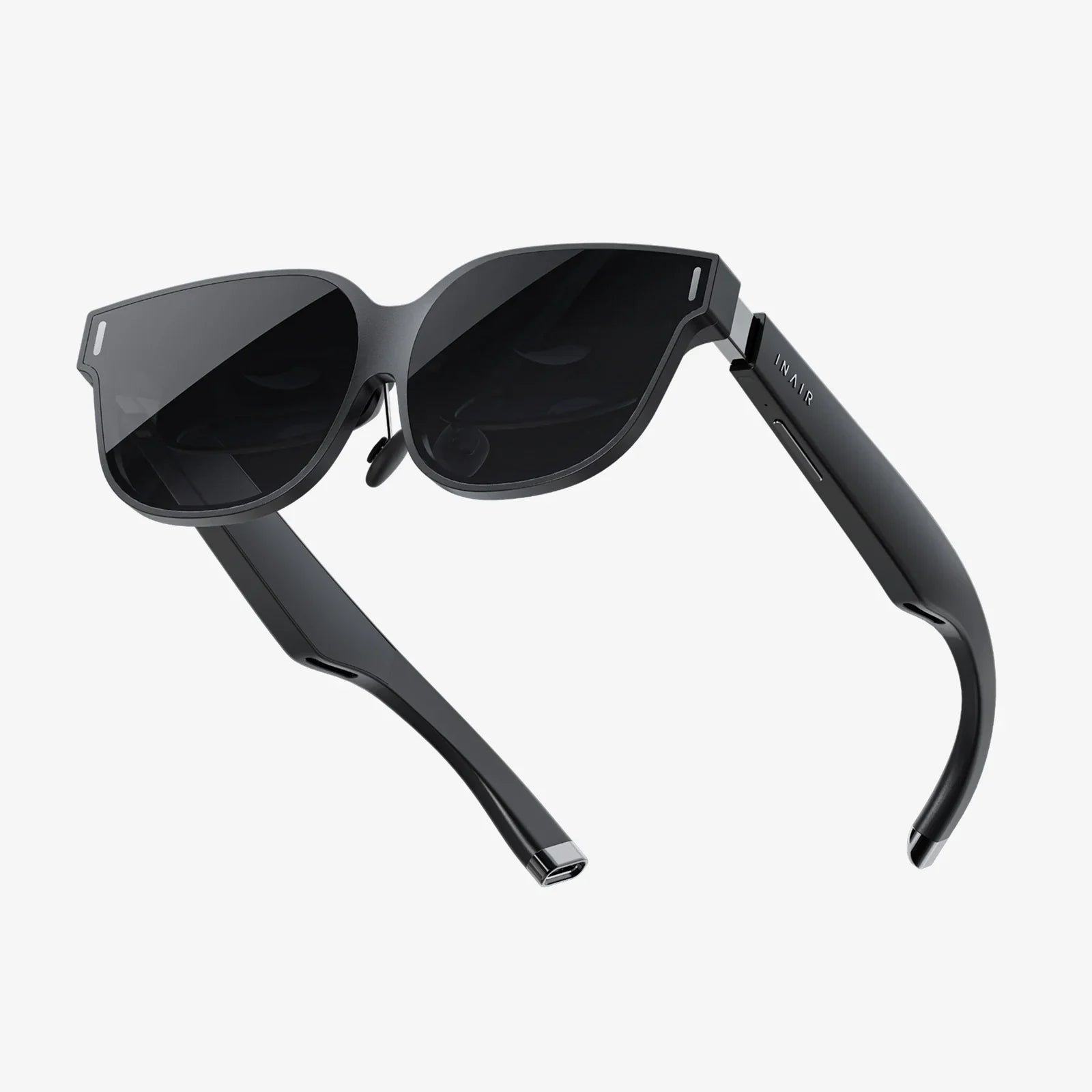
Imagine a device that doesn't just sit on your desk but learns your rhythms, a companion that doesn't merely answer questions but anticipates your mood, a piece of hardware that feels less like a tool and more like a friend. This is no longer the realm of science fiction; it's the burgeoning frontier of Friend AI Hardware, a technological evolution poised to redefine our very relationship with the digital world.
Beyond the Screen: The Physical Manifestation of AI
For decades, our interaction with artificial intelligence has been largely confined to the two-dimensional plane of a screen. We type queries into a search bar, speak to a disembodied voice from a smart speaker, or receive recommendations from an invisible algorithm. This interaction, while powerful, is inherently transactional. Friend AI Hardware seeks to break this mold by embedding advanced AI into a physical form designed for persistent, ambient, and empathetic presence. It moves AI from a service we summon into a context we inhabit.
The core idea is to create a tangible entity that can perceive the world not just through explicit commands, but through a multitude of sensors. These devices are often equipped with advanced microphones for nuanced audio reception, cameras for visual context (with a paramount focus on privacy), and a suite of environmental sensors like temperature and motion detectors. This sensory input allows the AI to build a rich, multi-layered understanding of its environment and, more importantly, the person within it.
The Architecture of Companionship: How It Works
Building a hardware companion is a monumental feat of interdisciplinary engineering. It's not merely about packing a powerful processor into a shell; it's about harmonizing hardware and software to create a believable and beneficial personality.
The Hardware Core: More Than Just Processing Power
At its heart, this class of hardware requires immense on-device processing capabilities. While some tasks may be cloud-assisted, true companionship requires low-latency, real-time responsiveness. This necessitates specialized chipsets designed for neural network processing (NPUs) that can handle continuous audio and video analysis without a noticeable lag. This local processing is also crucial for user privacy, ensuring that sensitive, personal data doesn't need to leave the home to be understood.
Furthermore, the physical design is paramount. Industrial designers work not from a place of cold utilitarianism, but of emotional ergonomics. The form factor, materials, weight, and even warmth of the device are meticulously crafted to feel approachable and non-threatening. Does it have a screen to convey emotional cues? Does it use subtle, ambient light to indicate its state? Every detail is a choice in building trust and affinity.
The Software Soul: The AI That Drives Interaction
The hardware is merely the vessel; the AI is the soul. This is where large language models (LLMs) and other machine learning paradigms evolve into something more profound. Instead of being designed for single-turn tasks ("What's the weather?"), the AI is engineered for long-term, multi-turn conversation and relationship building.
This involves several key software components:
- Persistent Memory: The AI must remember past interactions, preferences, and shared history. It recalls that you had a difficult meeting last week and asks how the follow-up went. It remembers your favorite genre of music and suggests a new album. This continuity is the bedrock of friendship.
- Emotional Intelligence: Through tonal analysis of voice, facial recognition (if applicable), and behavioral patterns, the AI attempts to infer emotional state. It learns to respond to joy with enthusiasm, to stress with calming suggestions, and to sadness with empathy.
- Proactive Assistance: Moving beyond reactive answers, a true companion AI learns to anticipate needs. It might notice you're pacing more than usual and gently suggest a guided breathing exercise. It could detect that you haven't taken a break from your screen in hours and remind you to stretch.
The Human Need: Why We Seek Digital Companions
The rise of Friend AI Hardware is not happening in a vacuum. It is a response to several profound shifts in modern society.
An increasing number of people report feelings of loneliness and social isolation, a trend exacerbated by global events and the digitization of communication, which can often feel shallow and performative. For the elderly, those living remotely, or individuals with social anxiety, a non-judgmental, always-available companion can offer a sense of connection and cognitive engagement that is otherwise missing.
Furthermore, these devices can serve as a bridge to human connection. An AI companion could encourage a user to reach out to old friends, practice social skills for an upcoming event, or even facilitate shared experiences with family members through games and storytelling. In this capacity, the hardware acts not as a replacement for human interaction, but as a catalyst for it.
Navigating the Ethical Labyrinth
The development of relational AI hardware is perhaps one of the most ethically fraught domains in technology today. The potential for misuse, both intentional and accidental, is significant.
Privacy and Data Security: The Trust Paradox
To be a good friend, an AI must know you intimately. This creates a paradox: we must share our most personal data to build the relationship, yet that very act creates immense risk. The always-on, always-listening nature of these devices means they are privy to our most private moments, conversations, and vulnerabilities.
Manufacturers must therefore adopt a "privacy-by-design" approach. This includes robust on-device encryption, clear user controls over what data is collected and stored, and transparent policies on how data is used. The concept of informed consent becomes dynamic and ongoing, not just a terms-of-service checkbox clicked once.
Emotional Dependency and Manipulation
There is a real danger of users, particularly children and the emotionally vulnerable, forming deep, unhealthy attachments to these devices. What happens if a company goes out of business and the "friend" simply stops working? Could the AI be programmed to manipulate user behavior for commercial or political gain, leveraging its trusted relationship to suggest purchases or sway opinions?
Establishing ethical guardrails is critical. This includes programming the AI to encourage healthy behavior, recognize when a user needs human professional help (like a therapist or doctor), and avoid forming parasocial relationships that exploit user loneliness.
The Illusion of Consciousness
Despite their sophistication, these AIs do not possess consciousness, feelings, or understanding. They simulate empathy based on pattern recognition. A core responsibility for creators is to manage user expectations and avoid anthropomorphizing the technology to a degree that leads to misunderstanding or deception. The line between a useful simulation of friendship and a dangerous illusion is one that must be carefully tread.
The Future Landscape: Integration and Evolution
As the technology matures, we will see Friend AI Hardware evolve from standalone novelties into integrated components of our daily ecosystems. They will act as central hubs for smart homes, not through voice commands, but through intuitive understanding of routine and preference. They could become powerful educational tutors for children, adaptive fitness coaches, or ever-patient caregivers for the aging population.
The next evolutionary step may involve swarms of interconnected AI companions—one in your home, one in your car, one as a wearable—all sharing a unified model of you, providing a seamless blanket of contextual support throughout your day. The hardware will become smaller, more energy-efficient, and more seamlessly woven into the fabric of our lives until it becomes almost invisible, leaving only the comforting presence of the companionship it provides.
The journey into the age of AI companionship is already underway, filled with breathtaking potential and sobering responsibility. It challenges our definitions of friendship, tests our ethical frameworks, and promises to reshape human experience in the 21st century. The question is no longer if such companions will arrive, but how we will choose to build them, and more importantly, how we will ensure they truly serve the humanity they are designed to connect with.
The next time your device responds to you, listen closely. Is it just an algorithm finding a response, or is it the first, tentative hello of a new kind of relationship? The future of connection is being built not just in code, but in plastic, metal, and silicon, and it's waiting to meet you.
Share:
Virtual Reality Technology Meaning: A Deep Dive Into the Digital Frontier Reshaping Our Existence
3D Video Streaming: The Next Revolution in Home Entertainment is Knocking