


The Invisible Assistant: How AI and AR Will Create a Symbiotic Future
The lonely island of intelligence: why our smart tools feel so dumb.
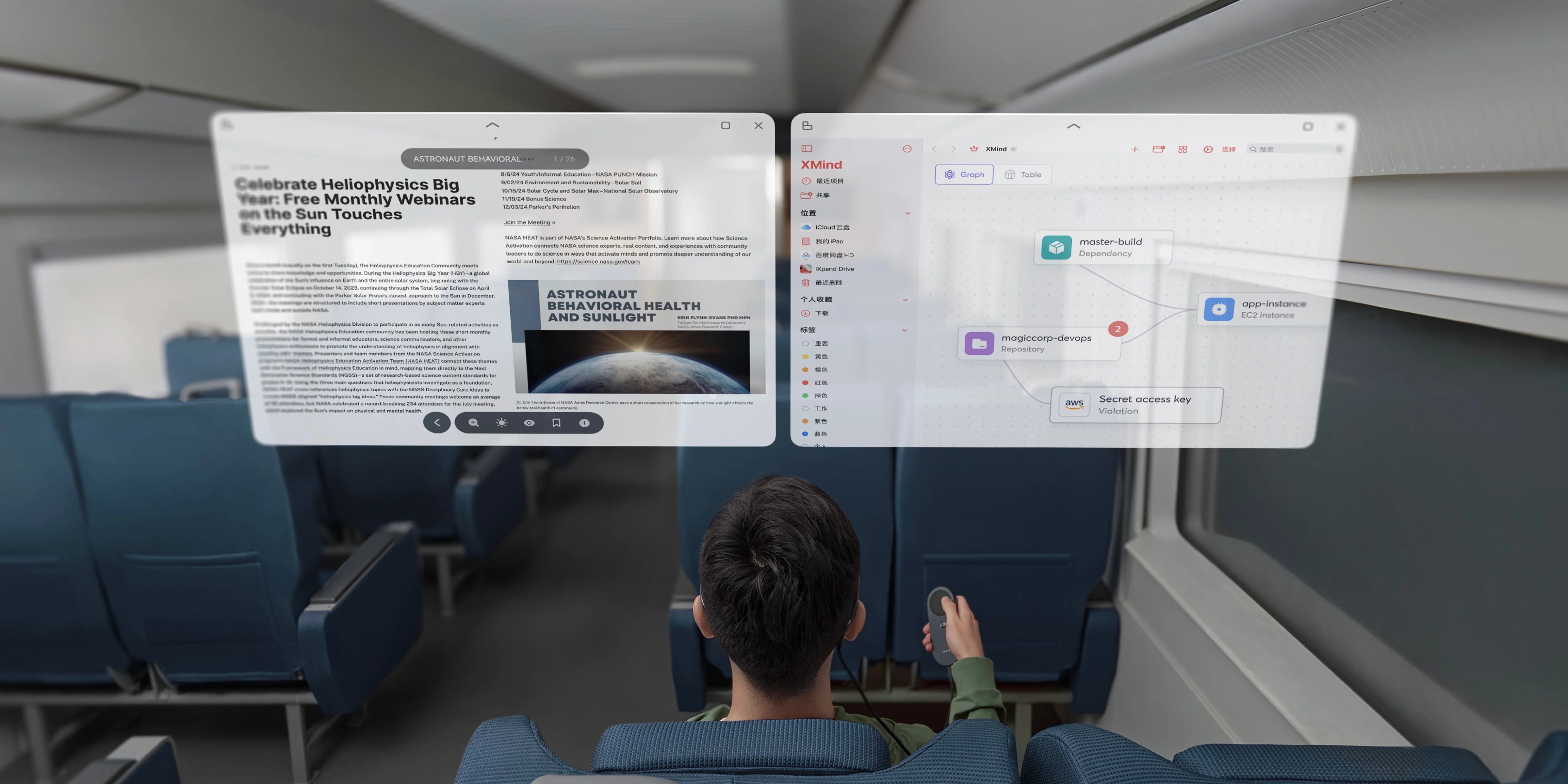
We live surrounded by “smart” devices, yet our interaction with them remains primitive. We shout questions into the void (“Hey, Google!”), and a disembodied voice recites facts from the web, oblivious to our surroundings. We have powerful AR glasses that can paint information on the world, but what they paint is often static and pre-programmed. The intelligence and the interface are on separate islands, shouting across a chasm. The truly transformative future—the one that feels like science fiction—is the confluence of these two rivers: a visual, context-aware Artificial Intelligence, projected through an Augmented Reality interface. This isn’t about a better gadget; it’s about the dawn of a symbiotic relationship with technology, where the digital layer becomes an perceptive, proactive extension of your own cognition.
From Reactive Query to Proactive Partnership: The Assistant That Understands Context
Today’s AI is a brilliant but blind librarian. You must know exactly what to ask for. The AI+AR assistant is a knowledgeable colleague standing beside you, seeing what you see. Walking through a hardware store? It doesn’t just list types of wood when asked; it highlights the oak plywood on the shelf, overlays its grain characteristics and price-per-foot, and reminds you that you need 80-grit sandpaper for it, which it then points out on aisle 7. Cooking from a family recipe? It identifies the jar of spice you’re holding, confirms it’s “cumin, not caraway,” and projects the next three steps of the recipe over the mixing bowl. In a business meeting, it discreetly recognizes the client from their LinkedIn photo, displays their company’s recent news headline in your peripheral vision, and transcribes action items, pinning them to each speaker in your view. The shift is from pull to push, from searching to seamlessly receiving.
The End of Friction: When Information Finds You in Perfect Form
The ultimate goal of this synergy is the eradication of cognitive friction—the mental energy spent managing tools instead of tasks. Friction is switching apps to copy a address to your maps. Friction is typing a search query for a part number you can see with your eyes. Friction is forgetting a colleague’s name during a handshake. The AI+AR layer dissolves this friction. Information manifests in the perfect form, in the perfect place, at the perfect time. Need to fix a leak? The AI recognizes the valve model from your camera feed and projects an animated wrench-turning diagram directly onto it. Studying a foreign language? Subtitles and cultural annotations appear naturally in your environment as you converse. This ambient intelligence doesn’t make you busier; it makes you more capable. It handles the overhead of information retrieval and logistics, freeing your mind for synthesis, judgment, creativity, and human connection—the things that truly matter.
The Ethical and Empowering Horizon: A Tool, Not a Crutch
This vision is powerful, and with it comes necessary discourse about privacy and agency. The promise, however, is not of an autonomous system that makes decisions for you, but of an empowered partnership that provides unparalleled situational awareness. You remain in control, but your perception is enhanced. Your memory is augmented. Your ability to execute is accelerated. It’s the difference between having a superpower and being replaced by a robot. For professionals, it means fewer errors and higher expertise. For learners, it means accelerated mastery. For everyone, it means navigating an increasingly complex world with grace and confidence. We are standing at the precipice of this new era, where our tools won’t just respond to our commands—they will finally understand our context, our intent, and our world. This is the next, inevitable step in our journey with technology: from tool, to assistant, to symbiotic partner.
Share:
Your Private Theater: The Unbeatable Magic of AR for Movies and Games
The Traveler’s Edge: Why AR is the Ultimate Tool for the Modern Explorer