


Imagine a world where your smartphone screen is no longer a barrier to the digital world, but a magical window that layers information, fantasy, and utility directly onto your physical reality. This is no longer the stuff of science fiction; it is the rapidly solidifying future of marketing, a future where augmented reality (AR) transitions from a novel gimmick to the central nervous system of consumer engagement. The potential is staggering, promising to dissolve the line between advertisement and experience, between browsing and buying, forever altering the relationship between brands and their audiences. The journey into this immersive new frontier is already beginning, and it promises to be nothing short of revolutionary.
The Evolutionary Leap: From Interruption to Integration
Traditional marketing has long operated on a model of interruption. Commercials break into television programs, pop-ups disrupt web browsing, and billboards compete for a sliver of a driver's attention. This model is inherently intrusive and often unwelcome. Augmented reality represents a fundamental paradigm shift—from interruption to integration. Instead of pulling a consumer away from their environment, AR enhances that environment, adding value and context precisely where they are.
This shift is powered by the convergence of several technological trends. The proliferation of powerful smartphones with high-resolution cameras and sensors provides the ubiquitous hardware platform. Advances in computer vision, powered by sophisticated machine learning algorithms, enable devices to understand and interact with the world in real-time. Furthermore, the expansion of 5G networks delivers the high-bandwidth, low-latency connectivity required for seamless, rich AR experiences. Together, these technologies are removing the technical friction that once held AR back, setting the stage for its mass adoption as a primary marketing channel.
Transforming the Consumer Journey: From Awareness to Advocacy
The impact of AR will be felt at every single stage of the consumer journey, creating a more fluid, engaging, and memorable path to purchase.
Hyper-Engaging Awareness Campaigns
At the top of the funnel, AR can generate unprecedented levels of engagement and virality. Imagine pointing your phone at a movie poster and watching the trailer explode into life right there on the street, with the main character stepping out onto the sidewalk. A static, two-dimensional ad becomes an unforgettable, shareable event. This "wow" factor is a powerful tool for cutting through the noise of a crowded advertising landscape and creating a deep, emotional first impression that static media simply cannot match.
Revolutionizing Product Discovery and Try-Before-You-Buy
Perhaps the most immediate and powerful application of AR in marketing is in the consideration phase. The ancient question of "How will this look in my home?" or "How will these glasses fit my face?" is being rendered obsolete. AR empowers consumers to project life-size, photorealistic 3D models of products into their own space. They can visualize a new sofa in their living room, see how a new shade of paint transforms a wall, or virtually try on makeup, eyewear, or accessories.
This capability drastically reduces purchase anxiety and uncertainty, which are major contributors to cart abandonment in e-commerce. By providing a much more accurate representation than a simple photo, AR builds consumer confidence, leading to higher conversion rates, fewer product returns, and a more satisfying shopping experience. It effectively bridges the critical gap between the convenience of online shopping and the tactile assurance of an in-store experience.
Reinventing the In-Store Experience
While e-commerce stands to gain immensely, physical retail is also poised for an AR revolution. Smart stores will use AR to overlay digital information onto the physical aisle. By scanning a product on a shelf, a customer could see detailed specifications, customer reviews, sustainability information, or even recipe suggestions pop up around it. In fashion retail, smart mirrors could allow customers to try on different colors or styles of clothing without ever entering a changing room, or even see an entire curated outfit assembled on their reflection.
This layered approach transforms a mundane shopping trip into an interactive discovery process, empowering customers with information and personalization options that were previously impossible. It turns the store itself into an immersive media channel, deepening brand engagement right at the point of sale.
Building Loyalty Through Interactive Post-Purchase Support
The consumer relationship doesn't end at the point of sale, and neither does the potential for AR. For complex products, AR can replace daunting paper manuals with interactive, step-by-step 3D instructions overlaid directly onto the product itself. A person assembling furniture could see arrows and animations showing exactly which part to attach and where. This reduces frustration, decreases customer support calls, and enhances the overall perception of the brand as helpful and innovative. This utility-focused application fosters long-term loyalty and turns a product into a platform for ongoing support.
The Data Revolution: Insights from the Physical World
Beyond the flashy consumer-facing applications, AR offers marketers a treasure trove of previously unattainable data. Traditional digital marketing tracks clicks, views, and scrolls. AR marketing can track gazes, interactions, and engagements with physical objects.
Marketers can gain insights into which products users are virtually trying on most, how long they interact with a specific AR feature, and even what parts of a virtual product they zoom in on or manipulate. This provides a profound understanding of user intent and preference in a context that is directly tied to the physical world. This data is incredibly valuable for optimizing product design, refining marketing messages, forecasting demand, and delivering ever-more personalized experiences in the future. It represents a quantum leap in understanding the intersection of consumer behavior and the physical environment.
Navigating the Challenges: Privacy, Accessibility, and Strategy
For all its promise, the path to an AR-dominated marketing future is not without significant hurdles that must be thoughtfully navigated.
The Privacy Imperative
AR experiences, by their very nature, require access to a device's camera and location data. This raises serious and valid privacy concerns. Consumers will be (and should be) wary of how this intimate data is collected, stored, and used. The brands that succeed will be those that prioritize transparency, obtain explicit consent, and implement robust data security measures. Building trust will be non-negotiable. Marketing in this new dimension will require a covenant of privacy with the consumer, ensuring that the enhancement of their reality is not done at the expense of their personal security.
Ensuring Universal Accessibility
The risk of creating a digital divide is real. Not every consumer has a late-model smartphone capable of handling complex AR, and data usage can be a concern. Successful campaigns will need to be designed with graceful degradation—offering a compelling core experience for all users, with enhanced layers for those with capable devices and connectivity. The goal must be inclusive immersion, not exclusionary technocracy.
The Content Conundrum
Creating high-quality, photorealistic 3D content is currently expensive and time-consuming. As the demand for AR experiences grows, the industry will need to develop more efficient creation tools and scalable content pipelines. The solution will likely lie in a combination of AI-generated assets and more accessible creator platforms that empower brands to build their own AR experiences without a team of dedicated engineers.
Beyond the Gimmick: Forging a Strategic Foundation
The biggest challenge may be strategic. The worst thing a brand can do is deploy AR for the sake of being trendy. Every AR campaign must be built upon a clear objective: Does it solve a real customer problem? Does it enhance the brand story? Does it provide genuine utility or entertainment? An AR experience that is shallow, poorly executed, or irrelevant will do more harm than good, cementing a perception of the brand as out of touch rather than innovative. The technology must serve the story, not the other way around.
The Horizon: The Glasses Revolution and a Pervasive Future
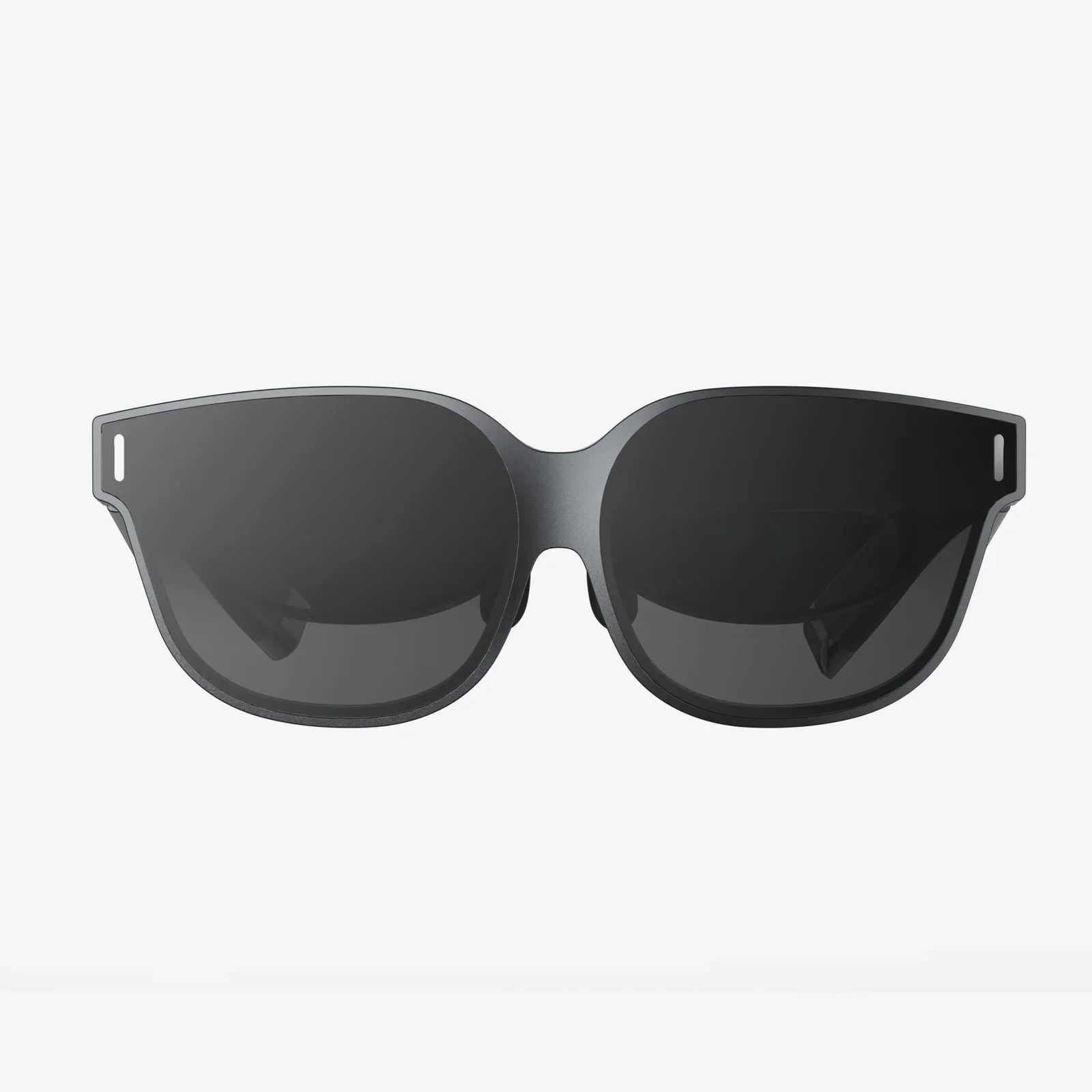
While smartphones are the current gateway, the true future of AR marketing lies beyond the hand-held screen. The eventual widespread adoption of comfortable, stylish, and powerful AR glasses will mark the final step in this evolution. When digital overlays become a persistent, hands-free layer on our reality, marketing will become seamlessly integrated into the fabric of our daily lives.
Walking down a street, you could see restaurant reviews hover above a eatery, receive a special offer from a store as you pass by, or have navigation arrows painted onto the sidewalk before you. This future promises a level of contextual, ambient, and hyper-personalized information delivery that is unimaginable today. It will require new rules, new ethics, and a new sensitivity to the user's attention, but it will ultimately create a world where marketing is less about shouting messages and more about providing a constant, helpful, and enriching stream of contextual utility.
The future of marketing is not on a screen; it is layered onto the world itself. Augmented reality is the brush with which this new reality will be painted, offering a canvas limited only by creativity. For marketers, this is not just a new tool to master, but a fundamental reimagining of their craft—a shift from creating campaigns to curating experiences, from capturing attention to commanding imagination. The brands that begin experimenting, learning, and building today, with a focus on value and respect for the consumer, will be the ones that define the immersive landscape of tomorrow. The window to this new dimension is open; the only question is who will be bold enough to step through.
Share:
Augmented Reality AR System: The Invisible Revolution Reshaping Our World
Difference Between AR and VR in Tabular Form: A Complete Guide to Immersive Technologies