


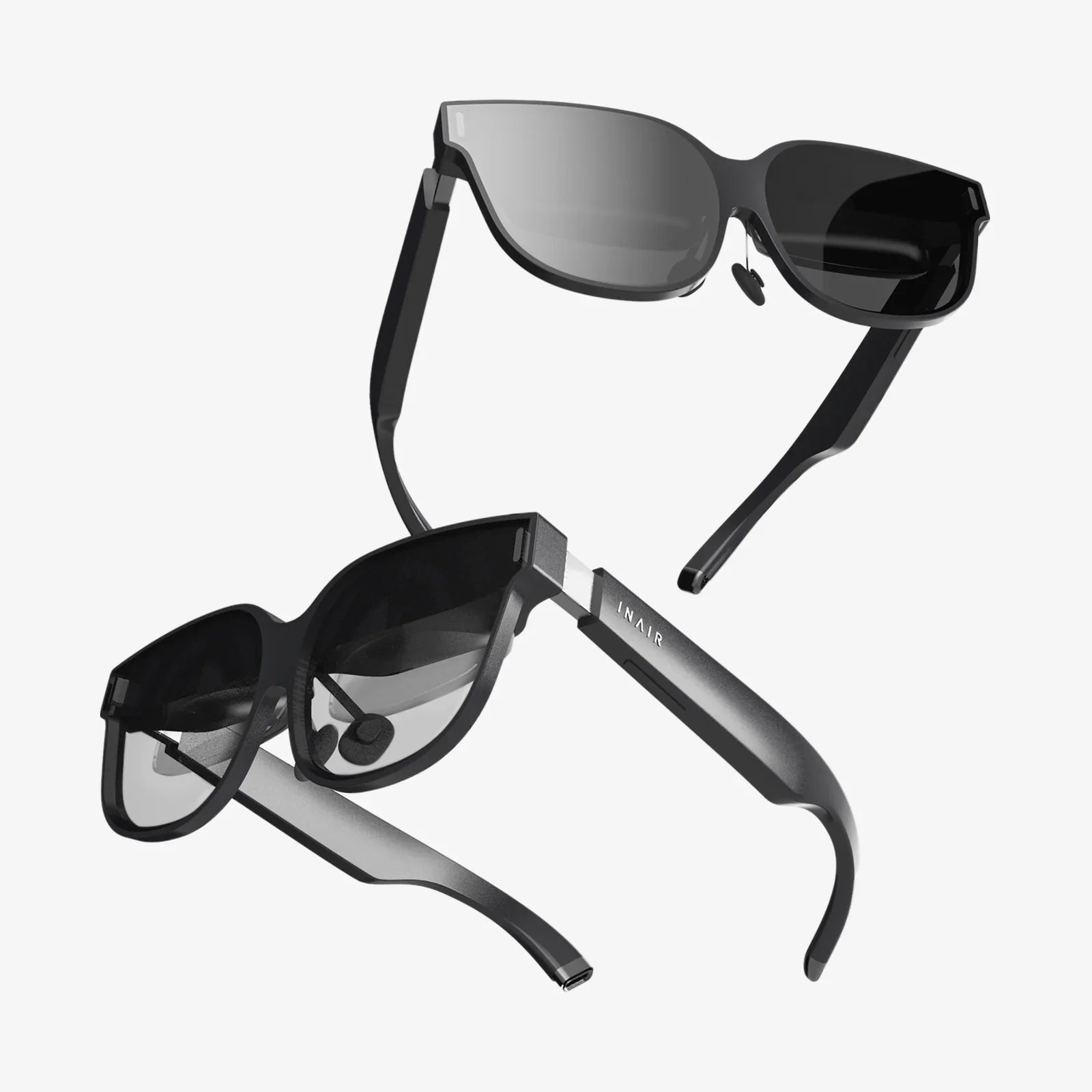
Imagine a world where your colleague’s hologram sits across from you, gesturing towards a 3D model you can both manipulate with your hands, while an AI silently transcribes your conversation, suggests optimizations, and schedules the next steps—all without you ever leaving your home office. This isn't a scene from a science fiction film; it is the rapidly approaching future of collaboration technology, a paradigm shift poised to dismantle the very foundations of how we work, create, and connect. The next decade will see our tools evolve from simple conduits of communication into intelligent partners in productivity, fundamentally blurring the lines between the physical and digital realms and unlocking unprecedented levels of human potential.
The Evolution: From Tools to Ecosystems
To understand the future, we must first appreciate the journey. Collaboration technology began as a simple digitization of analog processes. Email replaced memos, shared drives replaced filing cabinets, and instant messaging replaced quick desk-side chats. The first major leap was synchronous communication: video conferencing brought faces and voices together across vast distances, a revolutionary step that nonetheless often felt like a poor substitute for being in the same room. These were tools, discrete applications designed to solve a single problem: connection.
The present state represents a move towards integrated platforms. We now operate within unified ecosystems that combine chat, video, file sharing, and project management into a single, cohesive experience. These platforms have become the digital headquarters for organizations, the central nervous system of distributed work. However, they still largely operate in two dimensions, require significant manual management, and often create digital fatigue. The future, therefore, is not about adding another feature to these platforms. It is about transcending them entirely, moving from two-dimensional screens to three-dimensional spaces, from manual input to intelligent automation, and from simply connecting people to truly augmenting their collective intelligence.
The Pillars of Next-Generation Collaboration
The future of collaboration will be built upon several interconnected technological pillars, each advancing rapidly and synergistically.
Spatial Computing and the Metaverse
The most visually dramatic shift will be the adoption of spatial computing and metaverse-style environments. Collaboration will move beyond the flat screen into immersive, 3D virtual spaces. Using augmented reality (AR) and virtual reality (VR) headsets, team members will be able to interact with digital artifacts as if they were physical objects. Imagine architects walking through a full-scale, holographic model of a new building, making changes to the structure in real-time with colleagues from three different countries. Engineers could assemble a complex machine prototype virtually, identifying design flaws long before any physical parts are manufactured.
These persistent digital workspaces will not require a scheduled "meeting" to exist. A designer could enter the space, leave notes pinned to a 3D model, and a colleague across time zones could see those notes and respond hours later, creating a continuous, asynchronous workflow within a shared context. This eliminates the infamous "context switch" that plagues current tools, where users must jump between windows, apps, and threads to piece together the full story.
Ambient Intelligence and AI Co-pilots
If spatial computing provides the stage, artificial intelligence will be the director, stage manager, and supporting cast all in one. Future collaboration tools will be imbued with ambient intelligence, making them proactive, predictive, and incredibly useful. AI will function as a silent partner in every interaction.
- Automated Workflow: An AI could listen to a brainstorming session, automatically generate meeting notes, identify action items, assign owners based on historical data, and populate a project timeline—all without a single command.
- Contextual Assistance: During a technical discussion, the AI could pull up relevant documentation, previous project files, or data sheets and display them contextually within the shared space, anticipating the need for information before it's verbally requested.
- Enhanced Creativity: For creative teams, AI could generate mood boards, suggest design alternatives, draft content variations, or compose music based on the tone of the conversation, acting as an infinite wellspring of inspiration.
- Intelligent Translation: Language barriers will dissolve with real-time, seamless translation that preserves tone, nuance, and even colloquialisms, making global collaboration truly frictionless.
This shifts the human role from manager of the tool to conductor of an orchestra of human and machine intelligence.
Hyper-Connectivity and The Frictionless Experience
The technology itself will fade into the background. The goal is a state of frictionless collaboration, where the tools are so intuitive and well-integrated that participants can focus entirely on the work and the people, not the technology. This will be powered by advancements in connectivity like 5G and 6G, ensuring ultra-low latency and high bandwidth for seamless streaming of complex holographic data and immersive experiences. Interoperability between different platforms and devices will be table stakes, driven by open standards rather than walled gardens.
User interfaces will evolve from clunky menus to natural, multimodal interactions. We will use gesture, voice, and even gaze to control our digital environments. A simple hand wave could dismiss a notification; a glance at a virtual chart could bring up its underlying data. The collaboration experience will become more human-centric, reducing cognitive load and digital exhaustion.
The Human Impact: Reshaping Work and Culture
These technological advancements are not merely incremental improvements; they will trigger profound shifts in organizational structure, management philosophy, and company culture.
The Demise of the Centralized Office
The central corporate headquarters will diminish in importance, replaced by a fluid network of hubs, homes, and third spaces. Talent acquisition will become truly global, as the ability to collaborate effectively will no longer be constrained by physical proximity. This democratizes opportunity, allowing companies to tap into the best minds anywhere in the world and allowing individuals to build meaningful careers without relocating.
New Metrics for Productivity
The old model of measuring productivity by hours spent at a desk will become completely obsolete. Focus will shift to output, outcomes, and innovation. Managers will need to lead based on trust and defined goals rather than observation. This requires a radical rethinking of corporate culture, moving away from presence-based supervision towards a results-oriented framework that empowers autonomy and accountability.
The Rise of the Hybrid Experience
The future is not necessarily a fully remote one. It is a sophisticated hybrid. The technology will finally bridge the gap between those in a physical room and those joining remotely, eliminating the second-class citizen experience of today's video calls. With AR, a remote participant could appear as a lifelike hologram sitting in an empty chair at the conference table, able to make eye contact and interact naturally. Those in the room might use AR glasses to see digital content overlaid on the physical world, creating a unified experience for all.
Navigating the Challenges Ahead
This future is not without its significant challenges and ethical considerations that我们必须 proactively address.
The Digital Divide and Accessibility
There is a risk that advanced collaboration technology could exacerbate inequality. High-cost hardware like VR headsets and powerful computing systems could create a tiered system where only well-funded organizations can access the most powerful tools. Ensuring affordability and accessibility will be critical to preventing a new digital divide. Furthermore, these technologies must be designed from the ground up to be inclusive for people with disabilities.
Data Privacy and Security
Immersive technologies collect unprecedented amounts of sensitive data: biometric data (eye tracking, gait analysis), spatial data (a map of your home office), and behavioral data (your attention span during a meeting). Protecting this data from breaches and defining ethical guidelines for its use is a monumental task. Who owns the data generated in a collaborative AI session? How is it used? These questions demand clear answers.
Human Connection and The Uncanny Valley
As interactions become more digital, we must guard against the erosion of genuine human connection. Can a hologram or avatar ever replicate the subtle, unspoken trust built during a coffee break or a shared lunch? There is also the risk of the "uncanny valley" effect, where almost-human avatars create a sense of unease. The technology must enhance humanity, not replace it.
Work-Life Boundaries
When your office can be a persistent virtual world accessible from your living room, the potential for burnout and the erosion of work-life boundaries is immense. Organizations and individuals will need to establish new digital etiquette and norms to ensure that always-available technology does not lead to always-on workers.
The Invisible Architecture of Tomorrow
The most profound impact of this technological evolution may be its ability to solve complex, global challenges. Climate scientists across continents could stand inside a virtual simulation of a melting glacier, analyzing data streams in real-time. Medical specialists could collaborate on a holographic human heart, planning a complex surgery with experts from around the globe. These technologies provide a shared language of interaction for tackling problems that are too vast for any single organization or nation to solve alone. They become the invisible architecture enabling a new era of global cooperation and innovation, transforming not just how we work, but what we are capable of achieving together.
The horizon of collaboration technology is no longer a distant mirage but a tangible destination, one that promises to dissolve the final barriers of distance, language, and context. It invites us into a world where our collective intelligence is amplified, our creativity is unbounded, and our potential to innovate is limited only by our imagination. The tools are evolving from passive platforms into active partners, ready to build a more connected, efficient, and profoundly human future—and it’s a future waiting for us to log on.
Share:
Windows Screen Adjustment: The Ultimate Guide to Perfecting Your Display
Virtual Reality Player iOS: The Ultimate Guide to Immersive Mobile Entertainment