


- by wangfred
Future Reality: Virtual, Augmented, and Mixed Reality VR AR Are Reshaping Our World
- by wangfred
Imagine a world where the digital and the physical are no longer separate realms, where the boundaries of geography, physics, and even possibility are redrawn by the devices we wear. This is not a distant science fiction fantasy; it is the emerging landscape of immersive technology, a revolution quietly building in labs, startups, and homes around the globe. The convergence of virtual, augmented, and mixed reality is poised to be the next great technological leap, one that will fundamentally alter how we work, learn, play, and connect. This is the dawn of a new future reality, and its implications are as profound as they are thrilling.
Before diving into the transformative potential, it's crucial to understand the distinctions and relationships between these often-conflated terms. They exist on a spectrum known as the reality-virtuality continuum, each offering a different blend of the digital and the real.
Virtual reality is the most immersive end of the spectrum. By donning a head-mounted display, users are fully transported into a completely computer-generated environment. The real world is blocked out entirely, replaced by a simulated one that can be a faithful recreation of a physical place or a world born purely from imagination. The key to powerful VR is the illusion of presence—the convincing feeling that you are actually there. This is achieved through:
VR is the tool for total immersion, ideal for applications like pilot training simulations, deep-sea exploration, or experiencing a concert on another continent as if you were in the front row.
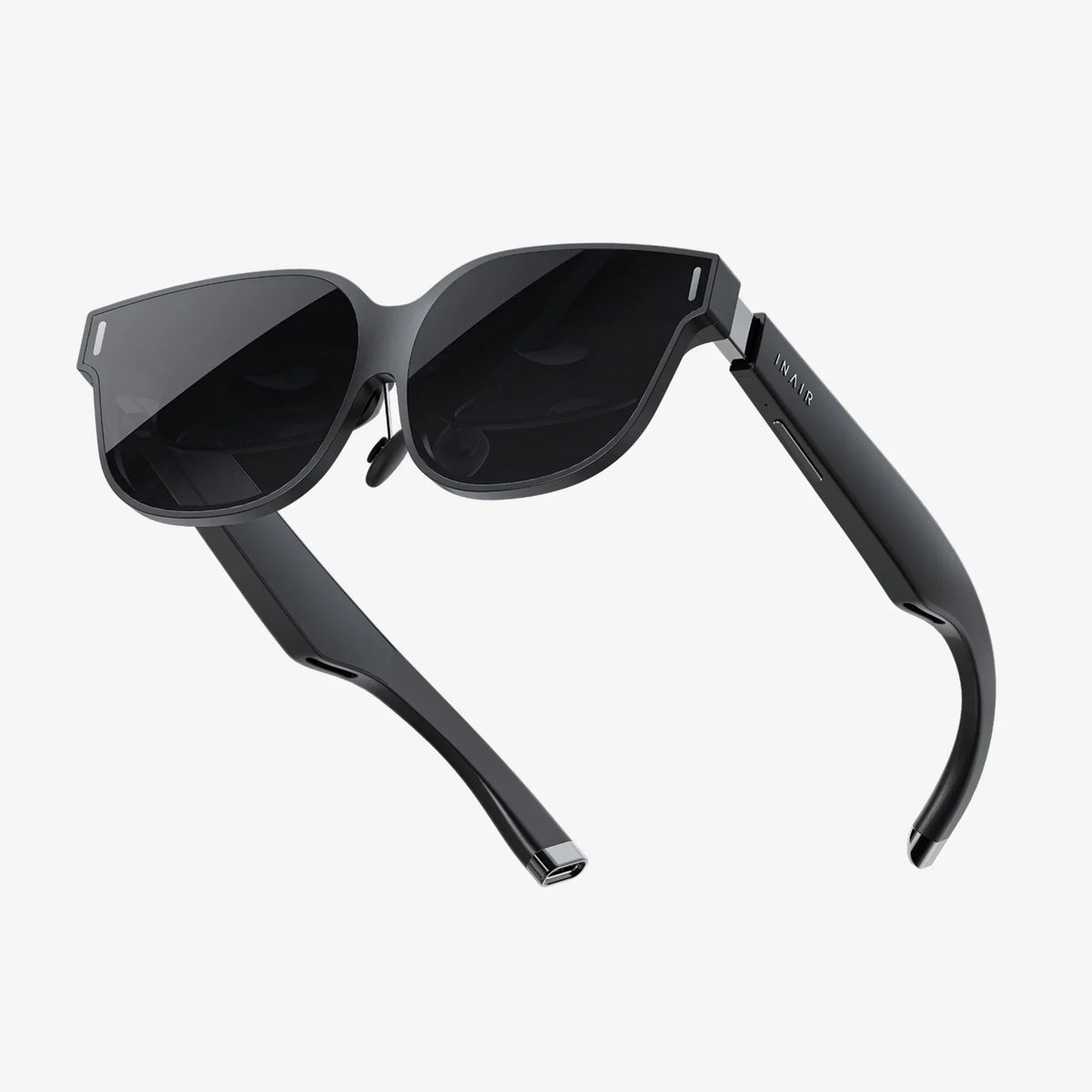
If VR replaces your reality, augmented reality enhances it. AR superimposes digital information—images, text, 3D models—onto your view of the physical world through a device. This is most commonly experienced today through smartphone cameras, with filters and games adding a layer of magic to our surroundings. However, the true potential lies in wearable transparent displays, like smart glasses.
AR acts as a contextual and interactive layer of knowledge. A mechanic wearing AR glasses could see the internal components of an engine overlaid with repair instructions. A tourist could point their device at a monument and see historical facts and figures pop up. It’s about bringing relevant data directly into your field of vision, making you more efficient and informed without ever needing to look down at a separate screen.
Mixed reality is the most advanced and nuanced point on the spectrum. It doesn’t just overlay digital content; it anchors it to and allows it to interact with the real world in real-time. In a true MR experience, a digital character could hide behind your real-world sofa, and a virtual ball could bounce off your actual wall. This requires incredibly sophisticated understanding of the environment, achieved through:
MR represents the ultimate goal: a seamless blend where the line between what’s real and what’s digital becomes practically invisible, unlocking powerful new ways to create, collaborate, and compute.
This future reality is not powered by magic but by a suite of rapidly advancing technologies converging at a remarkable pace.
The hardware is the gateway. Beyond visual displays, haptic feedback devices are evolving to provide a sense of touch, from simple controller vibrations to full gloves that simulate the texture and resistance of virtual objects. Spatial audio systems create a 3D soundscape, making a whisper from behind feel genuinely located behind you. Eye-tracking technology is becoming standard, allowing for more intuitive interfaces and more efficient rendering by focusing processing power only on what you are directly looking at.
Processing the immense data required for high-fidelity immersion is a monumental task. This is being tackled through powerful mobile processors and the advent of cloud streaming. Similar to cloud gaming, complex simulations can be rendered on powerful remote servers and streamed to a headset, reducing the cost and bulk of the hardware on your head. Edge computing will also play a role, processing sensor data locally with minimal latency to ensure movements feel instantaneous and real.
The high bandwidth and ultra-low latency promised by 5G networks are essential for the future of AR and cloud-based VR/MR. It will enable persistent, shared experiences that are synchronized across millions of users in real-time. Furthermore, Artificial Intelligence is the silent brain behind the operation. AI algorithms are crucial for object recognition (understanding what a chair is in your room), spatial mapping, generating realistic avatars, and creating dynamic, responsive virtual worlds.
The impact of immersive technologies will be felt across every sector, revolutionizing traditional workflows and creating entirely new ones.
Engineers and designers are already using VR to walk through full-scale 3D models of buildings, cars, and products long before a single physical prototype is built. They can identify design flaws, test ergonomics, and experience the space in a way a 2D screen could never allow. AR is used on factory floors to overlay assembly instructions directly onto workstations, reducing errors and training time dramatically.
The applications in medicine are nothing short of revolutionary. Surgeons use AR to project CT scans and vital statistics directly onto their field of view during operations. Medical students practice complex procedures in risk-free VR simulations. MR is used for physical therapy, guiding patients through exercises with digital coaches. Furthermore, VR is proving highly effective in treating PTSD, phobias, and chronic pain through controlled exposure therapy.
The concept of the "metaverse" for work is gaining traction. Instead of a grid of faces on a video call, teams can meet in a virtual boardroom or a simulated environment relevant to their project. They can interact with 3D models together, whiteboard ideas in mid-air, and share a sense of presence that fosters creativity and connection far beyond what current remote tools can offer. This has the potential to democratize work, making geography irrelevant to opportunity.
Imagine trying on clothes without entering a changing room, or seeing how a new sofa would look and fit in your living room before you buy it. AR is making this a reality, reducing purchase anxiety and streamlining the customer journey. Virtual showrooms allow brands to create immersive brand experiences that are accessible from anywhere in the world.
Beyond productivity, these technologies are redefining the most human of activities: socializing and consuming art.
Social VR platforms are creating new digital public squares where people can gather for concerts, watch movies, play games, or simply hang out as expressive avatars. For those separated by distance, it offers a powerful sense of togetherness—a shared activity in a shared space, not just a shared call. This evolution of social media from a curated feed to a shared experience could profoundly impact how we form and maintain relationships.
VR has been called an "empathy machine" for its unique ability to place you in someone else's shoes. Documentaries and journalistic pieces in VR can transport viewers to a refugee camp, the surface of Mars, or into the life of someone with a different lived experience, fostering understanding on a deeper, emotional level that text or video cannot match.
Storytelling is being reborn. Instead of watching a story unfold on a screen, you can be placed inside it. You can explore environments at your own pace, discover hidden narratives, and become an active participant. This creates a new art form that blends game design, cinema, and architecture, offering unprecedented levels of agency and immersion.
This bright future is not without its shadows. The widespread adoption of persistent immersive technologies brings a host of complex challenges that society must proactively address.
We are standing at the precipice of a new dimension of human experience, holding a tool of incredible power. The path we choose to develop and integrate virtual, augmented, and mixed reality will shape society for generations to come. It is a responsibility that must be shared by developers, policymakers, and users alike to ensure this future reality is built to be inclusive, ethical, and ultimately, human-centric. The headset is putting on; the real world is about to get a lot bigger.
This isn't just about better screens or cooler games; it's about fundamentally expanding the canvas of human experience. The next time you pick up your phone or look at the world around you, remember: a new layer of possibility is waiting to be unlocked, one that will seamlessly weave information, imagination, and connection into the very fabric of your daily life. The door to a blended world is opening, and the journey inside is only just beginning.