


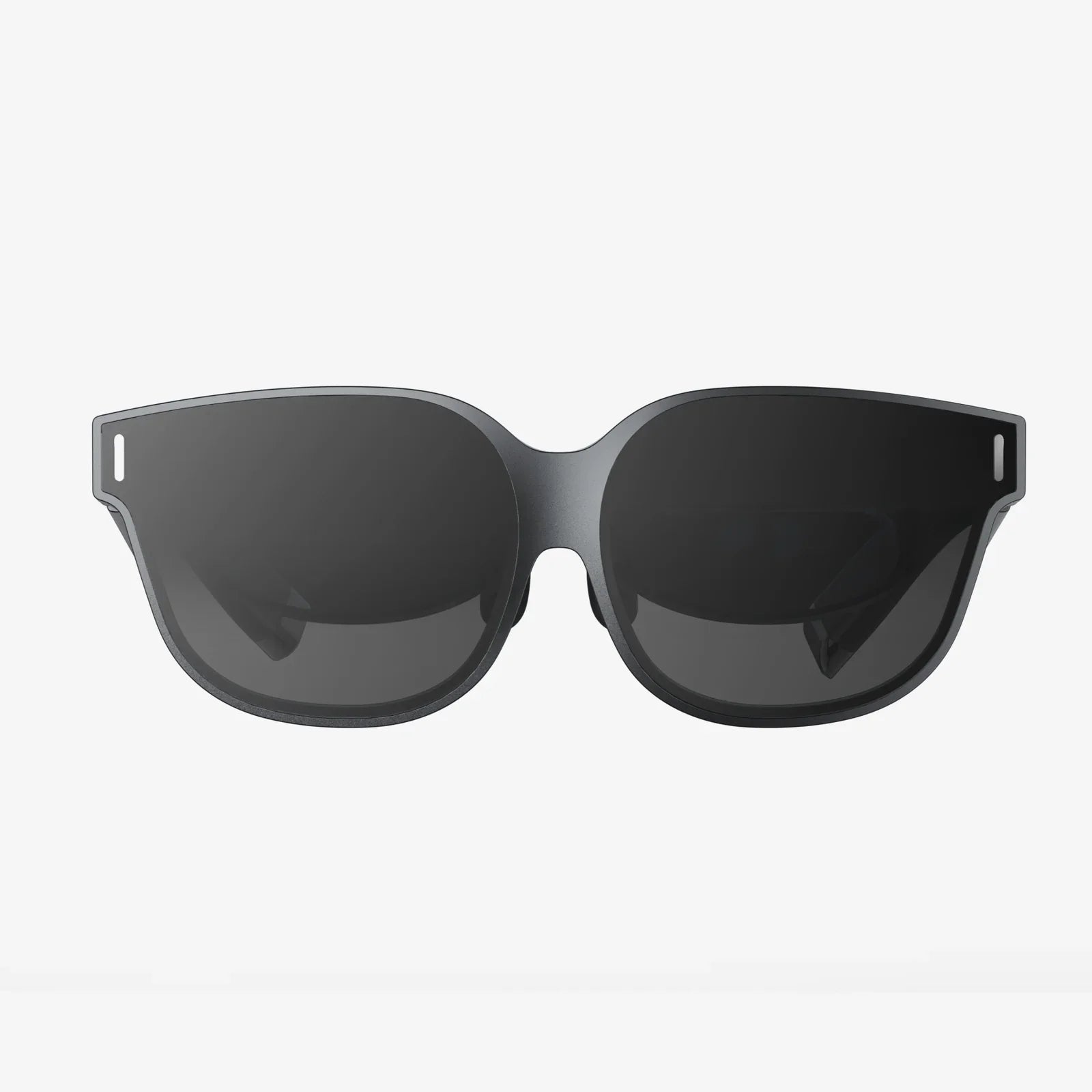
Imagine a world where your environment responds to your presence before you even speak a word, where your clothing monitors your health, and your glasses translate foreign street signs in real-time. This is not a distant science fiction fantasy; it is the imminent reality being forged by the rapid and relentless evolution of future technology wearable computers. We are standing on the precipice of a revolution that will dissolve the boundary between the digital and the physical, integrating computation so intimately into our daily lives that it becomes as unnoticeable and essential as the air we breathe. The next generation of wearables is poised to move beyond our wrists and into the fabric of our existence, promising to augment our capabilities, redefine human potential, and transform society in ways we are only beginning to comprehend.
Beyond the Wrist: The Form Factor Evolution
The journey of wearable computers began with clunky prototypes and has since been dominated by the wristwatch form factor. While smartwatches and fitness bands have been instrumental in popularizing the category, they represent merely the first, tentative step into a much broader ecosystem. The future of wearable technology lies in diversification and miniaturization, moving from devices we carry to systems we inhabit.
Advanced textiles, often referred to as smart fabrics or e-textiles, are weaving computation directly into the very clothes we wear. These garments can incorporate flexible, washable sensors and conductive threads to monitor a vast array of biometric data—from heart rate and muscle activity to hydration levels and stress indicators—all without a single external device. Imagine a shirt that detects the early signs of a cardiac event or athletic wear that provides real-time feedback on form and technique to prevent injury.
Another frontier is epidermal electronics: ultra-thin, flexible patches that adhere to the skin like a temporary tattoo. These patches can house sophisticated sensors for continuous health monitoring, delivering clinical-grade data outside a hospital setting. They represent a move towards truly unobtrusive wearables that provide constant health surveillance without compromising comfort or lifestyle.
The most significant leap, however, may come from neural interfaces. While current consumer-grade headsets focus on rudimentary brainwave monitoring for meditation or focus, future technology points towards more advanced non-invasive and eventually minimally invasive devices. These systems aim to create a direct communication pathway between the brain and external devices, potentially allowing for control of software or prosthetics through thought alone, or even facilitating a form of synthetic telepathy for communication.
The Intelligence Within: AI and Contextual Awareness
A wearable computer is only as useful as its intelligence. The hardware is merely the vessel; the true value is delivered by the sophisticated software and artificial intelligence that powers it. The next generation of wearables will be defined by their move from reactive data loggers to proactive, context-aware partners.
Future devices will leverage on-device AI and machine learning to process data locally, ensuring privacy and delivering instantaneous insights without needing a constant cloud connection. This shift is critical. Instead of simply telling you that your heart rate spiked an hour ago, a future wearable will understand the context: it will know you were presenting to a large audience, recognize it as a stress response, and suggest a brief breathing exercise beforehand next time.
This contextual awareness will be powered by sensor fusion. A single device might combine data from an accelerometer, gyroscope, heart rate monitor, skin temperature sensor, microphone, and ambient light sensor. By synthesizing this information, the AI can build a rich, multi-dimensional understanding of your activity, environment, and physiological state. Is the user running? Or are they running to catch a train? The biometric and motion data might be similar, but the context—inferred from location, time of day, and calendar data—is utterly different, and the device's response will be too.
This intelligence will enable wearables to act as true digital guardians. They could detect a fall, assess the severity based on impact and subsequent vitals, and automatically contact emergency services if you are unresponsive. They could listen for keywords in a conversation and discreetly display relevant information on a smart lens, or monitor your sleep patterns and adjust your home's thermostat and lighting to optimize your rest. The device transitions from a tool you use to an assistant that anticipates your needs.
Revolutionizing Healthcare: From Treatment to Prevention
Perhaps the most profound impact of future wearable computers will be felt in the field of healthcare. The current model is largely reactive: we visit a doctor when we feel unwell. Wearables are paving the way for a continuous, preventative, and personalized model of medicine, shifting the focus from curing sickness to maintaining wellness.
Continuous, non-invasive monitoring will provide an unprecedented depth of longitudinal health data. Instead of a single blood pressure reading taken in a clinical setting—which can be skewed by anxiety ("white coat syndrome")—a wearable can track it throughout the day, during different activities, building a far more accurate baseline. This data can be used to identify subtle trends and early warning signs of chronic conditions like hypertension, atrial fibrillation, or diabetes long before they become critical.
For individuals managing chronic diseases, wearables offer a new paradigm of control. A device could continuously monitor blood glucose levels without finger-prick tests, automatically administering insulin via a connected pump when needed. For those with respiratory conditions, sensors could analyze breath sounds and blood oxygen saturation to predict and prevent asthma attacks or COPD exacerbations.
This flood of real-world data also represents a goldmine for medical research. With user consent, anonymized data from millions of individuals can be analyzed to uncover new correlations between lifestyle, environment, and disease, leading to faster drug discovery and a better understanding of human health on a population scale. The future of medicine will be data-driven, and wearable computers will be its primary source.
The Social and Ethical Landscape: Connection and Consequence
As these devices become more integrated into our lives, they will inevitably reshape social interactions and raise complex ethical questions that society must urgently address. The line between augmentation and dependence, between convenience and privacy, will become increasingly blurred.
Socially, wearables could enhance communication in remarkable ways. Smart glasses with built-in augmented reality could display subtitles in real-time for the hearing impaired, translating spoken language into text. They could provide name and affiliation reminders for people you've met before, reducing social anxiety. Conversely, they risk creating new forms of digital distraction and isolation, where individuals are more engaged with their digital overlay than the physical world and the people in it.
The ethical implications are staggering. The data collected by wearables—our deepest health secrets, our daily routines, our biological responses to stress and emotion—is incredibly sensitive. Who owns this data? How is it stored and secured? Could it be used by insurers to adjust premiums, by employers to monitor productivity, or by governments to enact social scoring systems? Robust legal frameworks for data sovereignty and privacy are not just necessary; they are a prerequisite for a safe and equitable wearable future.
Furthermore, the "digital divide" could evolve into an "augmentation divide." If wearable computers significantly enhance cognitive or physical abilities, will access to this technology become a new marker of socioeconomic inequality? Will the enhanced have significant advantages over the unenhanced? These are not merely technological questions but profound philosophical ones that challenge our concepts of fairness, equality, and what it means to be human.
The Invisible Infrastructure: Power and Connectivity
For wearable computers to become truly seamless and ubiquitous, significant hurdles in power management and connectivity must be overcome. A device that needs daily charging is a chore; one that needs hourly charging is useless. The future demands energy autonomy.
Research is fervently exploring alternative power solutions. Energy harvesting technologies aim to power devices by scavenging minute amounts of energy from their surroundings—from kinetic energy generated by movement, from thermal gradients between the body and the environment, or even from radio frequency waves that already permeate our cities. The goal is to create devices that are self-sustaining, never needing to be plugged in.
Connectivity is equally crucial. The dream of a seamlessly connected ecosystem of wearables requires ultra-low-power, high-bandwidth communication protocols. Technologies are being developed to allow these devices to communicate with each other and with other smart infrastructure (like your home, car, or office) without draining their batteries. This invisible network, often called the Internet of Bodies, will allow your devices to work in concert, creating a cohesive and intelligent personal area network that travels with you everywhere.
This infrastructure will extend to edge computing, where processing is handled by local hubs—like a smartphone or a home router—to preserve the battery life of the individual wearable sensors. This distributed intelligence model is key to creating a responsive and efficient ecosystem that feels like magic rather than technology.
The path forward is not merely one of smaller chips and longer battery life; it is a journey towards technology that understands not just our commands, but our context, our intentions, and our unspoken needs. It promises a world of enhanced health, boundless learning, and deeper human connection, all accessible from the periphery of our attention. Yet, this powerful future demands our vigilant stewardship—to build it with ethical principles at its core, to safeguard our privacy and autonomy, and to ensure its benefits are shared by all of humanity. The revolution will not be worn on our sleeves; it will be woven into the very fabric of our lives, and it is arriving faster than we think.
Share:
Virtual Staging: The Digital Revolution Transforming Real Estate Listings
Amazing Projected AR: The Invisible Computer Reshaping Reality