


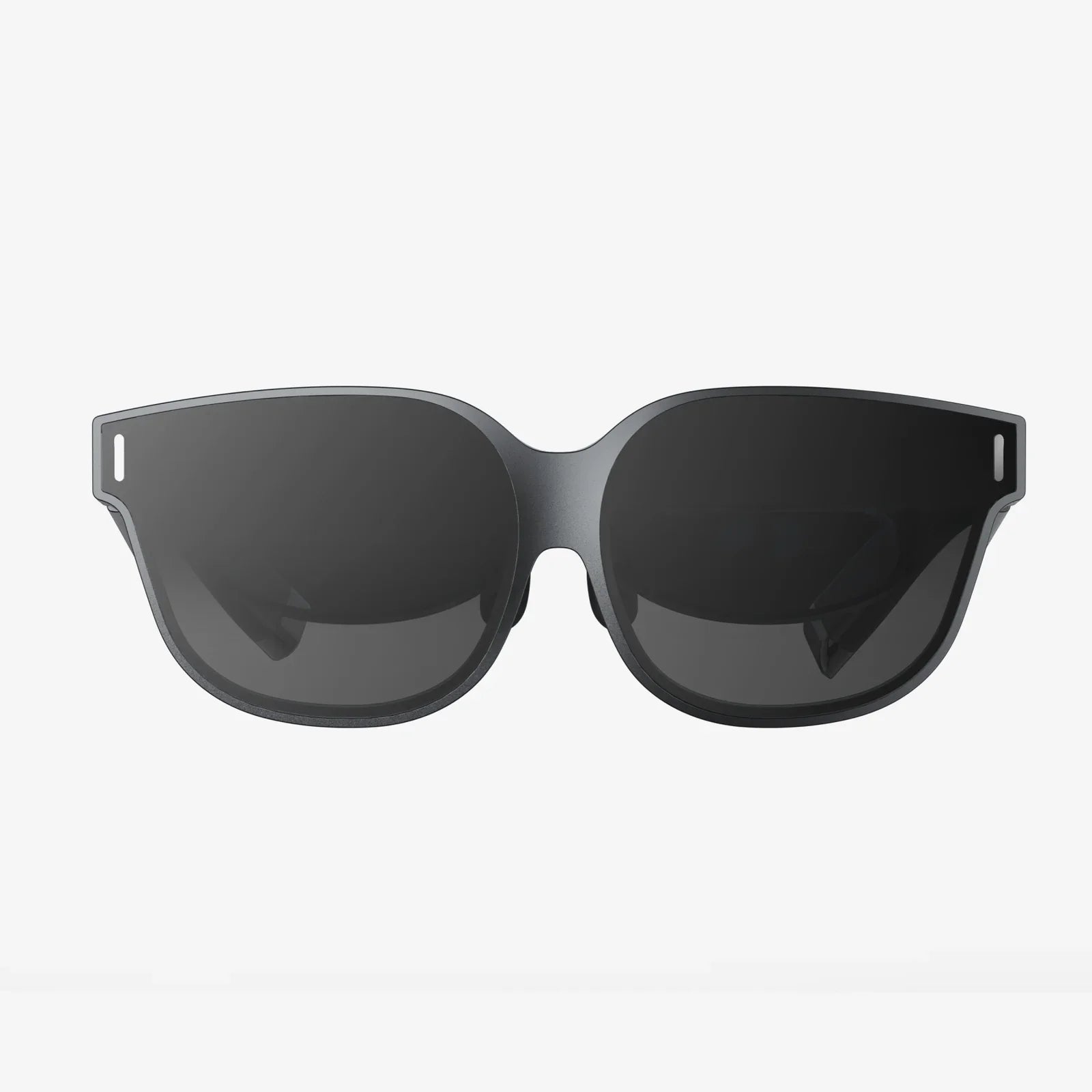
Imagine a world where your morning begins not with a blaring alarm, but with a gentle, silent signal from a biosensor on your skin, waking you at the perfect point in your sleep cycle. Your shirt analyzes your sweat to suggest a personalized hydration plan for the day, while your smart glasses overlay your schedule and the day's headlines onto your field of vision as you brew your coffee. This isn't a scene from a distant sci-fi movie; it is the tangible, rapidly approaching horizon of future wearable tech—a revolution poised to move beyond our wrists and into the very fabric of our existence, becoming so intuitive and integrated that it fades into the background of our lives, only surfacing to empower us in profound new ways.
Beyond the Wrist: The Shift from Accessory to Integration
The current generation of wearables, predominantly wrist-worn devices, has successfully mainstreamed the concept of quantifying our lives. They track our steps, monitor our heart rates, and ping us with notifications. However, they remain, fundamentally, accessories—discrete objects we choose to wear. The future is hurtling toward a paradigm of seamless integration. The next wave will be defined by technology that is unobtrusive, context-aware, and fundamentally interconnected.
This evolution will manifest in several key forms:
- E-Textiles and Smart Fabrics: Clothing itself will become the interface. Weaving conductive threads and micro-sensors directly into fabrics will enable shirts that monitor respiratory rate and posture, socks that analyze gait to prevent injury, and jackets that can dynamically adjust their insulation based on the ambient temperature and the wearer's biometrics.
- Minimalist Biosensors: Forget clunky straps. The future lies in discreet, skin-adherent patches, smart rings, and even subcutaneous implants that provide continuous, clinical-grade health monitoring. These devices will offer a frictionless experience, collecting vast datasets without requiring user interaction.
- Advanced Hearables and Smart Glasses: Earwear will evolve beyond music playback into sophisticated auditory augmentation tools, offering real-time language translation, enhanced hearing, and immersive soundscapes. Smart glasses, finally maturing beyond their initial stumbles, will project contextual information onto the real world, blending digital and physical realities in a useful, non-intrusive manner.
The core tenet of this shift is a move from quantification to qualification. Future wearables won't just tell you your heart rate is elevated; they will understand the context—whether it's due to stress, exercise, or illness—and offer actionable, personalized insights.
The Health Revolution: From Reactive to Predictive and Preventive
Perhaps the most significant impact of future wearable tech will be in the domain of healthcare, catalyzing a monumental shift from a reactive, hospital-centric model to a continuous, predictive, and personalized system of health management.
Imagine a world where chronic conditions like hypertension, atrial fibrillation, or diabetes are managed not through periodic clinic visits, but through continuous, real-time monitoring. A discreet wearable patch could track blood pressure, blood glucose levels (through non-invasive optical sensors), and cardiac rhythms around the clock, sending alerts to both the patient and their physician at the first sign of a dangerous anomaly. This enables early intervention, potentially preventing heart attacks, strokes, or diabetic emergencies before they occur.
The power of this technology will be amplified by Artificial Intelligence. AI algorithms will act as a sophisticated co-pilot for our health, sifting through the torrents of biometric data to identify subtle patterns and correlations invisible to the human eye. It could detect the earliest biomarkers of an oncoming infection like the flu or even a neurological event like a migraine, giving the user a heads-up to rest, hydrate, or take medication preemptively.
This data-driven approach will democratize healthcare, empowering individuals with deep knowledge about their own bodies. It will also create a new paradigm for medical research, enabling large-scale, longitudinal studies based on real-world data collected passively from millions of users, accelerating the discovery of new treatments and a deeper understanding of human health.
Augmenting Human Potential: Beyond Health and Into Capability
While health monitoring is a primary driver, the ambition of future wearable tech extends far into the realm of human augmentation—enhancing our physical senses, cognitive abilities, and emotional well-being.
Sensory Expansion
Future devices will allow us to perceive the world in ways previously impossible. Think of a wearable sensor that can "smell" and analyze the chemical composition of the air, warning you of allergens or pollutants. Or consider haptic feedback suits that allow a surgeon to feel the resistance of tissue during a remote robotic operation, or that let an architect "feel" the digital model of a building they are designing in virtual space.
Cognitive and Emotional Assistance
Wearables will evolve into active partners in our daily cognitive load. Smart glasses could recognize faces and discreetly display a person's name and key details from your last meeting to your peripheral vision, a boon for networking events. Hearables could act as a real-time conversational coach, providing gentle feedback on speaking pace or tone during a high-stakes presentation.
Furthermore, the frontier of emotion-sensing technology is particularly fascinating. By analyzing vocal tone, skin conductance, heart rate variability, and even subtle facial micro-expressions (via smart glasses or earpiece cameras), wearables could develop a nuanced understanding of our emotional state. They could suggest a mindfulness exercise when detecting signs of anxiety, recommend a walk after noticing prolonged sedentary stress, or even modulate their notifications based on whether you're focused, relaxed, or irritable.
The Invisible Interface: A World of Ambient Computing
The ultimate goal of this technological evolution is the creation of an ambient computing environment, where technology recedes into the background. The wearable devices on our bodies will act as our personal conduits to a smart world, communicating seamlessly with the sensors embedded in our homes, cars, and cities.
Your smart ring authenticates your identity as you approach your front door, which unlocks automatically. The lights and temperature in your home adjust to your documented preferences. As you drive, your car's biometric sensors detect drowsiness and suggest you pull over, while your glasses navigate you to the nearest coffee shop. This ecosystem creates a cohesive, intuitive user experience that minimizes friction and maximizes efficiency, making technology a silent, helpful butler rather than a demanding distraction.
Navigating the Inevitable Challenges: Privacy, Security, and the Human Divide
This brave new world of pervasive, intimate technology is not without its profound challenges and ethical dilemmas. The very nature of these devices—collecting the most sensitive data imaginable, from our deepest health metrics to our emotional states—creates a staggering responsibility and potential for harm.
Data Privacy and Ownership: Who owns the continuous stream of biometric data generated by your body? Is it you, the device manufacturer, your insurance company, or your employer? Without robust legal frameworks and transparent data governance, we risk creating a dystopia of corporate and governmental surveillance far beyond anything we've seen. The potential for discrimination in employment, insurance premiums, and lending based on health data is a terrifying prospect.
Cybersecurity: If a hacker can breach your computer, they can steal your credit card information. If they breach your future wearable ecosystem, they could have access to your real-time location, health records, and even the ability to manipulate your perception of reality through augmented interfaces. The security of these systems is not a feature; it is an absolute prerequisite.
The Digital and Human Divide: There is a real risk that these advanced augmentation technologies could become a luxury available only to the affluent, creating a new class of "enhanced" humans with significant advantages in health, cognition, and productivity, thereby exacerbating existing social and economic inequalities.
Addressing these challenges requires a proactive, multi-stakeholder approach involving technologists, ethicists, policymakers, and the public. The development of these technologies must be paralleled by the development of strong ethical guidelines and protective regulations.
The trajectory is clear: the future of wearable technology is not about a better screen on your wrist. It is about weaving computation and connectivity into the very tapestry of human life, creating a symbiotic relationship between our biological selves and digital intelligence. It promises a world of unprecedented health, enhanced capability, and seamless living. But to reach that future, we must tread carefully, ensuring that the technology we build to serve humanity does not end up compromising the very essence of our privacy, autonomy, and equality. The devices themselves may become invisible, but the urgent conversations we must have about their role in our society must remain front and center.
We stand on the precipice of a new era where the line between human and machine will blur in the most intimate ways imaginable, promising to unlock a deeper understanding of ourselves and reshape our reality from the skin out.
Share:
Best Augmented Reality (AR) SDK Software 2025? The Ultimate Developer's Guide
Virtual Home Office The Ultimate Guide to Designing Your Digital Workspace