


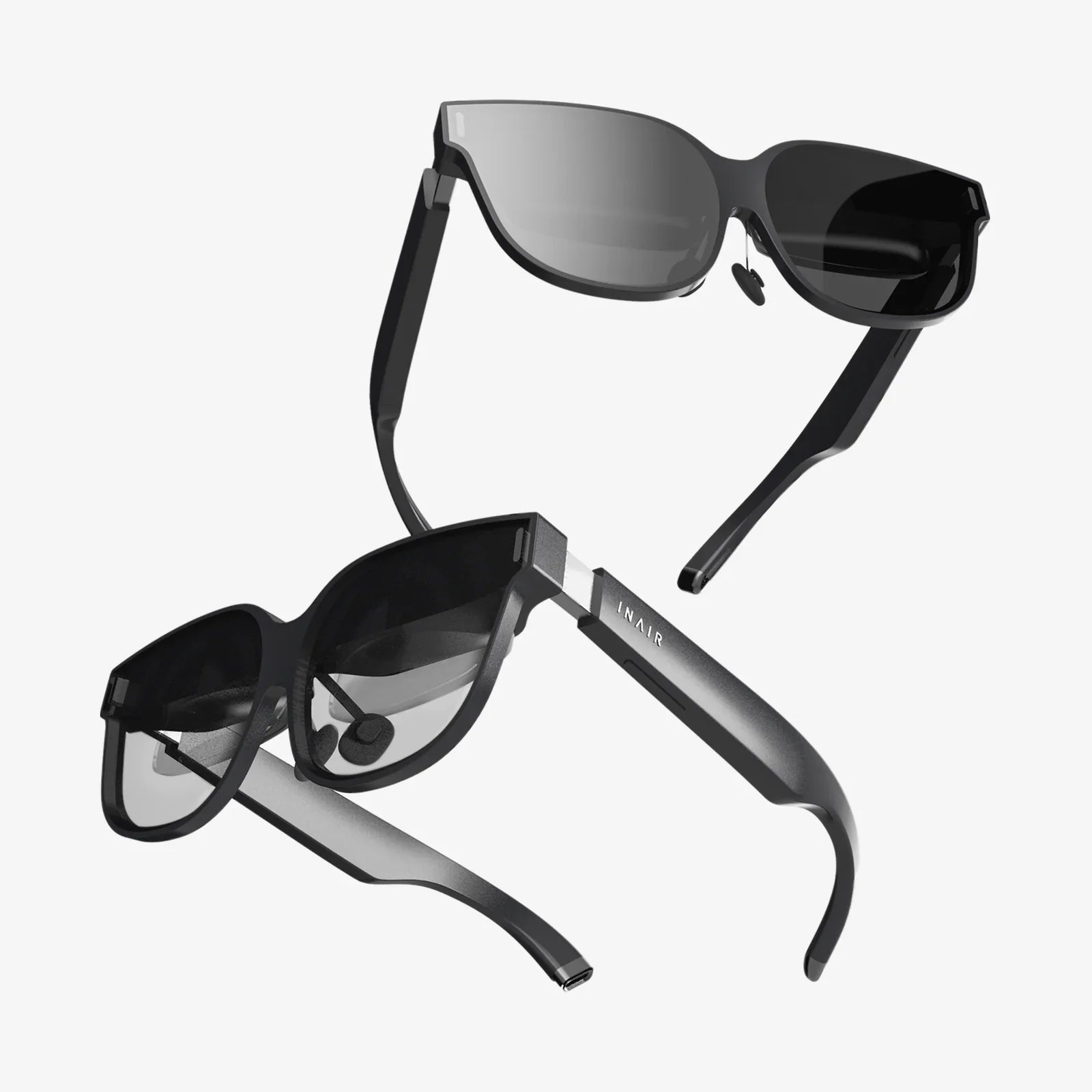
Imagine a world where your windows generate power, your car windshield becomes a augmented reality dashboard, and your bathroom mirror analyzes your health. This isn't a scene from a science fiction film; it's the emerging reality powered by futuristic glass, a material shedding its centuries-old role as a passive, transparent barrier to become the active, intelligent heart of our built environment. We are on the cusp of a transparent revolution, where glass is no longer something you just look through, but something you interact with, something that works for you, and something that fundamentally alters our relationship with light, energy, and information.
Beyond Transparency: The Core Technologies Redefining Glass
The evolution from simple silicate-based panes to today's high-tech marvels is a story of chemical and engineering innovation. Futuristic glass is not a single material but a sophisticated system, often composed of multiple ultra-thin layers, each imbued with specific properties.
Electrochromic and Photochromic Smart Glass
Perhaps the most recognizable form of smart glass, electrochromic technology allows users to tint windows at the flick of a switch or through an automated system. A small electrical current triggers ions to move between layers, causing the glass to darken and block light, glare, and heat. This technology is revolutionizing energy management in buildings, drastically reducing the need for air conditioning and artificial lighting. Photochromic glass, which reacts automatically to sunlight (similar to transition lenses in eyeglasses), offers a self-regulating alternative for specific applications.
Integrated Photovoltaics
What if every sun-facing surface of a skyscraper could generate electricity? Building-Integrated Photovoltaics (BIPV) make this possible. Transparent or semi-transparent solar cells are laminated between glass panels, capturing sunlight across the ultraviolet and infrared spectra while remaining see-through to visible light. This transforms entire facades into silent, invisible power plants, pushing structures toward net-zero energy consumption and turning buildings into active contributors to the urban grid.
Polymer Dispersed Liquid Crystal (PDLC) Technology
For instant privacy on demand, PDLC glass is the answer. In its default off state, liquid crystals are randomly dispersed, scattering light and rendering the glass opaque or ‘frosted.’ When an electric current is applied, the crystals align, making the glass completely transparent. This technology is perfect for conference rooms, hospital ICU partitions, and residential bathrooms, offering flexibility and control over one's environment without the need for physical blinds or curtains.
Self-Cleaning and Anti-Reflective Coatings
Maintenance of vast glass surfaces, especially on towering skyscrapers, is dangerous and expensive. Futuristic glass often employs a microscopically thin, transparent coating of titanium dioxide. This photocatalytic coating reacts with ultraviolet light to break down organic dirt. Additionally, it is hydrophilic, meaning it causes water to sheet evenly across the surface instead of beading, so rain efficiently washes the grime away. Anti-reflective coatings, borrowed from high-end camera lenses, are also being applied to minimize glare, improve clarity, and ensure that digital displays remain visible even in direct sunlight.
The Architectural Metamorphosis: Buildings That Breathe and Think
The impact of these technologies is most profoundly felt in architecture, where glass is enabling a new era of responsive and sustainable design.
Dynamic Facades and Energy Efficiency
The concept of a static building envelope is becoming obsolete. Modern high-rises are now clad in dynamic, intelligent skins made of smart glass. These facades can automatically adjust their tint based on the sun's position, time of day, and seasonal weather patterns. This dynamic control over solar heat gain is a game-changer for energy efficiency. By minimizing heat intake in the summer and maximizing passive solar heating in the winter, these buildings can slash their HVAC energy consumption by 25% or more, representing a monumental leap in sustainable construction and operational cost savings.
Biophilic Design and Human Wellness
Access to natural light and views of the outdoors are proven to boost productivity, improve mood, and enhance overall well-being—a concept known as biophilic design. Futuristic glass empowers architects to maximize these benefits without the associated downsides of glare and heat. Employees in offices with smart windows can enjoy abundant natural light without the discomfort that once required closing the blinds and turning on fluorescent lights, thus reconnecting occupants with the natural environment while maintaining perfect interior comfort.
Transforming Transportation: The Augmented Journey
The revolution extends far beyond static buildings, reaching into the vehicles we use every day.
The Connected Automotive Experience
The automobile windshield is being reimagined as the ultimate heads-up display (HUD). Augmented reality glass can project navigation arrows directly onto the road ahead, highlight potential hazards, display speed and vehicle information, and even stream video calls. Side and rear windows can become interactive screens for passengers, offering entertainment or information about passing landmarks. Furthermore, electrochromic sunroofs can offer passengers panoramic views while instantly eliminating glare, enhancing the comfort and safety of the journey.
Aviation and Maritime Applications
The commercial aviation industry is adopting smart glass for cabin windows, allowing passengers to electronically transition their view from clear to dark, eliminating the need for clumsy physical shades. On the bridge of a ship, smart glass can provide captains with critical data overlaid on the view of the sea, from weather patterns and radar signatures to navigational charts, creating a seamless command and control environment.
The Interactive Interface: When Surfaces Come to Life
The line between display and structure is blurring as glass itself becomes an interactive medium.
From Retail to the Home
Storefront windows can transform from transparent displays to opaque video screens after hours, capable of playing targeted advertisements. Inside homes, the kitchen backsplash can become a touchscreen interface for recipes, a bathroom mirror can display the day's news and weather, or a living room partition can switch from clear to serving as a projection screen for home cinema. This integration turns everyday surfaces into multifunctional hubs of information and entertainment, decluttering living spaces and creating a more fluid technological experience.
Challenges and the Road Ahead
Despite its immense potential, the widespread adoption of futuristic glass faces hurdles. The primary obstacle is cost. The complex manufacturing processes and advanced materials make it significantly more expensive than traditional glass, currently limiting its use to high-budget projects and luxury markets. Furthermore, the increased complexity introduces new points of potential failure, raising concerns about long-term durability and repair. As with any connected technology, the data collected by smart glass systems—from occupancy patterns to energy usage—also raises critical questions about cybersecurity and user privacy that must be addressed through robust regulations and transparent data policies.
The Invisible Becomes Intelligent
The future of this material is even more breathtaking. Researchers are developing glass with even higher thermal performance, potentially leading to truly passive houses. Flexible, ultra-thin glass will enable rollable displays and new form factors for wearable technology. The integration of artificial intelligence will allow glass facades to predict weather patterns and learn occupant preferences to autonomously optimize the indoor environment. We are moving towards a world where glass is not just a window to the world, but an intelligent filter, a guardian of our comfort, a generator of power, and a canvas for our digital lives.
The humble pane of glass, a material we've taken for granted for generations, is being reborn. It's quietly evolving from a passive observer of our lives into an active participant, poised to redefine the very spaces where we live, work, and travel. The transparent revolution is here, and it’s offering us a clearer, smarter, and more sustainable view of the future—one incredible window at a time.
Share:
Best Standalone VR - A Comprehensive Guide to Untethered Virtual Reality
Best Gaming VR Set: The Ultimate Immersive Experience Awaits