


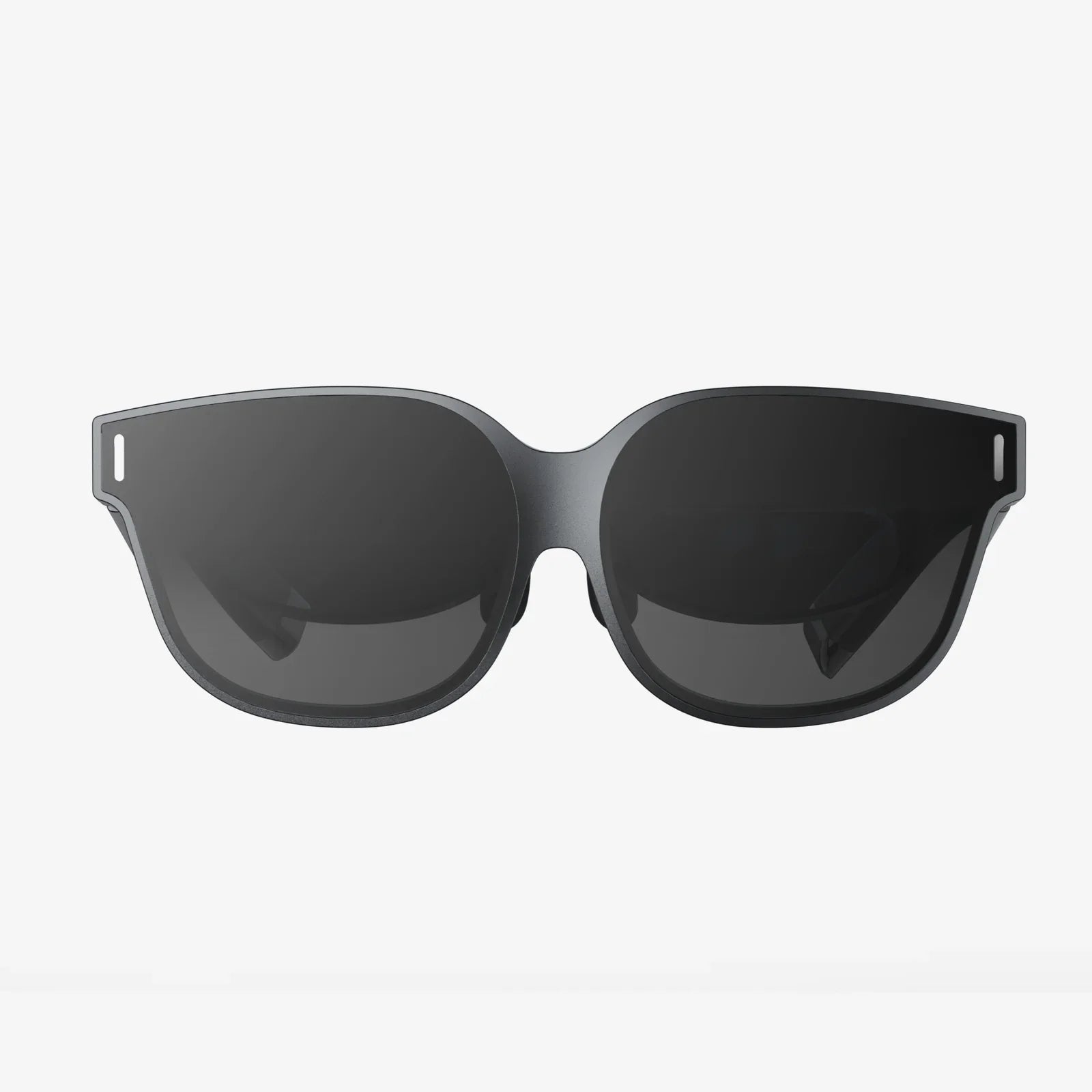
Imagine slipping on a device and instantly being transported to a front-row seat at a concert, a guided tour of an ancient ruin, or a heart-pounding race on a futuristic track. This is the promise of virtual reality, a technological revolution once reserved for those with deep pockets. But what if the key to these incredible experiences wasn't a four-figure investment, but a surprisingly accessible piece of technology sitting in an online shopping cart? The generic VR headset has emerged as the people's champion in the VR arena, shattering the financial barrier to entry and inviting millions to step through the digital looking glass. This isn't a compromised experience; it's a different door to the same vast universe of possibilities, and it's changing the game for consumers, educators, and developers alike.
The Democratization of Digital Realities
Not long ago, high-fidelity virtual reality was the exclusive domain of high-end gaming PCs and expensive, complex hardware setups. The cost was prohibitive, placing it firmly in the hobbyist and professional spheres. The advent of the standalone all-in-one headset was a massive leap forward, but even then, flagship models carried a premium price. Enter the generic VR headset. These devices, often leveraging the immense processing power we all carry in our pockets—the smartphone—have fundamentally altered the accessibility equation. By utilizing a mobile device's display, sensors, and computing guts, these headsets provide the housing, the lenses, and the interface for a fraction of the cost. This shift has democratized VR, transforming it from a niche luxury into a mass-market entertainment and educational medium. Suddenly, a classroom can take a field trip to Mars, a family can share a virtual movie night across continents, and a curious individual can experiment with VR without a significant financial commitment.
How Does a Generic VR Headset Actually Work?
At its core, the principle is elegantly simple. The headset itself is a sophisticated holder, a shell designed to block out external light and create an immersive viewing environment. Its most critical components are the high-quality lenses placed between the user's eyes and the smartphone screen. These lenses warp and focus the image, transforming the standard flat screen of the phone into a wide, stereoscopic 3D panorama that fills your field of vision.
The Role of the Smartphone
The smartphone is the true engine. It serves a triple function:
- Display: The phone's high-resolution screen is split into two distinct images, one for each eye, creating the depth perception that is fundamental to VR.
- Processing Unit: It runs the VR applications, games, and experiences, handling all the graphics and computational heavy lifting.
- Sensor Suite: Modern smartphones are packed with advanced sensors—gyroscopes, accelerometers, and magnetometers—that track the rotation and orientation of your head. When you turn your head left, the sensors detect this movement and the software adjusts the view in the headset accordingly, creating the crucial feeling of presence and immersion.
Key Features to Look For (Beyond the Price)
While 'generic' often implies a lack of features, many of these headsets boast impressive specifications that enhance the user experience significantly.
Field of View (FoV)
Measured in degrees, the FoV determines how much of the virtual world you can see at once. A wider FoV (100-110 degrees is common) is more immersive, making you feel like you're truly 'inside' the experience rather than looking through a narrow window. A narrow FoV can break immersion and create a distracting tunnel-vision effect.
Lens Quality and Adjustability
This is arguably the most important hardware differentiator. High-quality, precision-ground lenses made from materials like aspherical glass or polymer are essential for minimizing visual distortions like the 'screen-door effect' (where you can see the lines between pixels) and chromatic aberration (color fringing). Furthermore, look for headsets with adjustable lenses. Interpupillary Distance (IPD) adjustment allows you to slide the lenses horizontally to match the distance between your pupils, ensuring a clear and focused image for every user. Diopter adjustment is a premium feature on some models, allowing glasses-wearers to dial in focus without needing their prescription lenses.
Comfort and Ergonomics
A VR experience is ruined by an uncomfortable headset. Well-designed models distribute weight evenly across the forehead and cheeks, using padded, breathable materials like foam and faux leather. Adjustable head straps—a three-point harness system is often superior to a simple top strap—are crucial for a secure and comfortable fit during extended use. A well-balanced headset prevents neck strain and makes it easy to forget you're wearing technology at all.
Input and Control
Basic interaction in smartphone-based VR is often handled by a simple magnetic or capacitive trigger button on the headset itself, which simulates a screen tap. For more advanced gaming, many generic headsets are fully compatible with external Bluetooth gamepads, which vastly improve the experience. Some even come bundled with a simple remote or a more advanced motion controller, bridging the gap between basic viewing and interactive engagement.
The Software Ecosystem: Where the Magic Happens
The hardware is just a window; the software is the world you see through it. The ecosystem for mobile VR is vast and varied, primarily centered on app stores.
App Stores and Content Libraries
Platforms like Google Play Store and the Apple App Store host thousands of dedicated VR applications. These range from immersive 360-degree videos on YouTube VR to breathtaking virtual tours through apps like Google Earth VR. Gaming is a huge draw, with titles spanning relaxing puzzles, atmospheric horror experiences, and rhythm games that get you moving.
Cardboard and Beyond: The Standards That Paved the Way
The initial boom was largely driven by an open platform that provided a universal standard for app developers. This allowed any manufacturer to build a compatible headset, ensuring a huge range of content would work across a myriad of devices. While its influence has waned, its legacy is a rich library of content that remains accessible to all. Today, many headsets operate on similar principles, with apps detecting the headset's presence and launching into the correct mode.
Ideal Use Cases: Who Are They Really For?
The generic VR headset isn't trying to be the ultimate high-end gaming rig, and that's its greatest strength. It carves out several perfect niches.
The Curious Beginner
For the individual intrigued by VR but unwilling to drop a significant sum, a generic headset is the perfect, risk-free introduction. It answers the question, "Is VR for me?" without requiring a major investment.
Education and Training
Schools and institutions can buy headsets in bulk for a fraction of the cost of more advanced systems. Students can dissect a virtual frog, walk through a historical site, or explore the human bloodstream in an engaging, hands-on way that textbooks could never provide.
Media Consumption and Virtual Tourism
If your primary goal is to watch 360-degree videos, experience virtual travel documentaries, or view photos in an immersive gallery, a generic headset provides a stunning and completely adequate platform. It’s a phenomenal tool for passive, yet deeply engaging, experiences.
Product Prototyping and Real Estate
Small businesses, architects, and real estate agents can use these affordable headsets to showcase 3D models, virtual tours of properties, or product designs to clients without a massive hardware overhead.
Limitations and Managing Expectations
To avoid disappointment, it's vital to understand what a generic headset is not. It does not provide the same level of performance or immersion as a dedicated, high-end system powered by a PC or console.
Positional Tracking (or the Lack Thereof)
This is the biggest technical limitation. Most generic headsets only offer rotational tracking (3 Degrees of Freedom - 3DoF). This means they can track when you turn your head, nod, or tilt it, but they cannot track when you lean forward, duck, or walk around. The virtual world remains fixed relative to your head's orientation. High-end systems use external sensors or inside-out cameras to enable full positional tracking (6DoF), allowing you to physically move within the virtual space. This is a fundamental difference in immersion for interactive applications.
Processing Power Constraints
The experience is entirely dependent on the smartphone's capabilities. An older or lower-end phone may struggle with frame rates, leading to lag or stuttering that can cause discomfort or simulator sickness. The graphical fidelity of mobile VR apps is also necessarily less complex than that of PC-powered experiences.
Potential for Discomfort
Longer sessions can lead to eye strain or, for some users, motion sickness. This is often due to a mismatch between perceived motion in the headset and the body's actual stillness. It's always recommended to start with short, comfortable experiences and take frequent breaks.
The Future is Accessible
The trajectory of generic VR headsets is not towards competing with high-end gear, but towards refining the accessible experience. We can expect continued improvements in lens technology for even clearer visuals, better and more universal controller support, and lighter, more ergonomic designs. As smartphones continue to become more powerful, the quality of the experiences they can power will rise in tandem. Furthermore, the sheer volume of users these devices bring into the VR fold creates a larger market, incentivizing developers to create even more diverse and high-quality content for the platform. They are not the endpoint of VR, but rather the vital on-ramp, cultivating the next generation of VR enthusiasts who may one day step up to more advanced platforms.
You don't need a top-secret budget or a degree in computer science to explore the potential of virtual reality anymore. That unassuming piece of plastic and glass, the generic VR headset, has seen to that. It has successfully ripped down the velvet rope, offering a compelling, functional, and incredibly affordable taste of the future. Whether it's gathering dust in a warehouse or featured on a daily deals website, its very existence represents a monumental shift in technology distribution. So the next time you see one, don't dismiss it as a mere toy. See it for what it truly is: an invitation. An invitation to watch a movie on a giant screen on the moon, to stand atop Mount Everest, or to play a game in a world of your own. The greatest luxury in technology is access, and that’s a price that’s finally right.
Share:
What Is The Best VR Headset For Watching Videos - The Ultimate Viewer's Guide
VR Headsets That Are Cheap: Your Ultimate Guide to Affordable Virtual Reality