


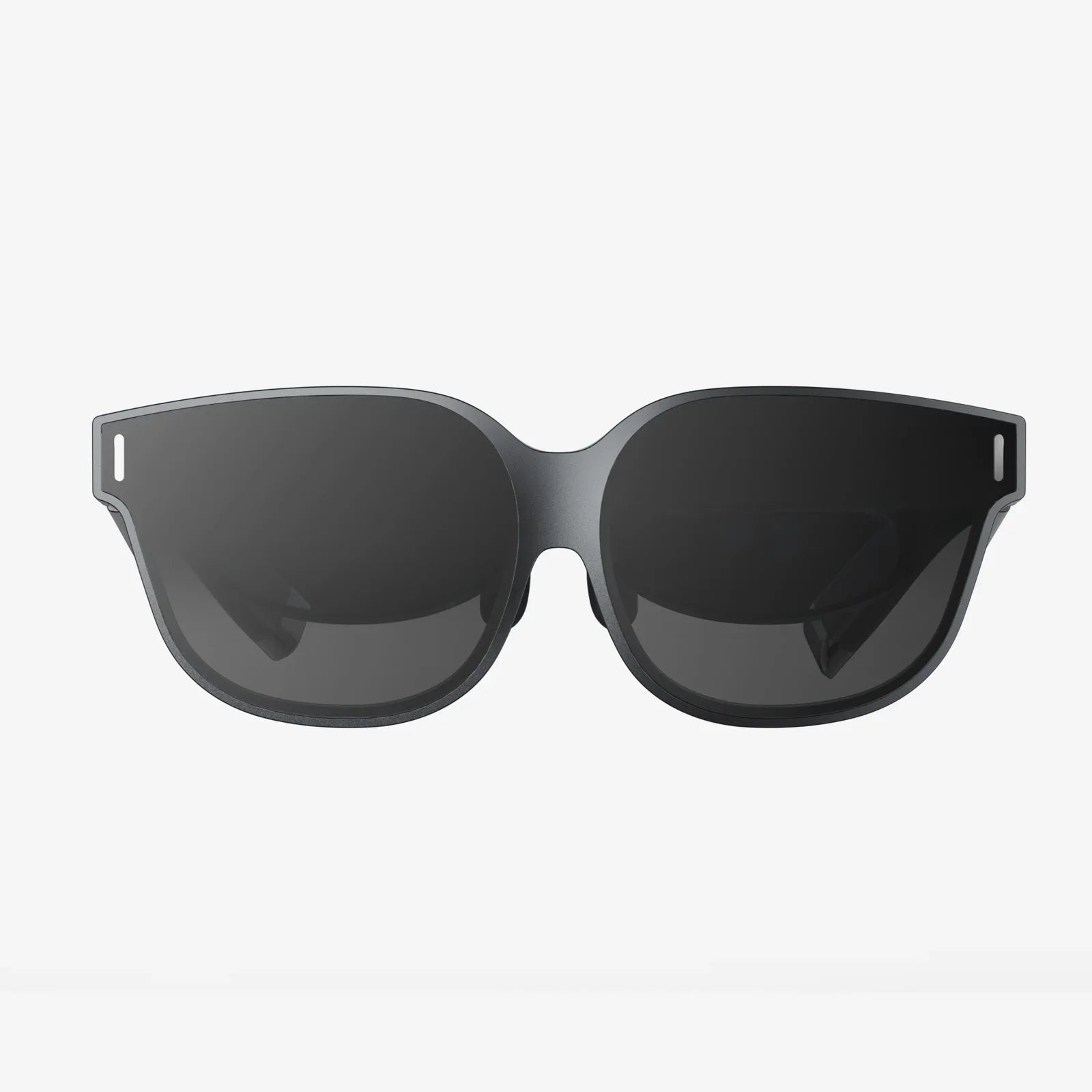
If you spend hours staring at your phone or tablet every day, a glass elite VisionGuard screen protector might be the quiet upgrade that completely changes how you use your device. It is not just about avoiding that heart-stopping moment when your screen hits the floor; it is about sharper visuals, less eye strain, and a device that still looks new long after everyone else’s screens are scratched, smudged, and tired. Understanding how this type of protector works puts you in control of your digital comfort and your device’s long-term value.
This guide walks you through everything you need to know: what makes a glass elite VisionGuard screen protector different, how blue light filtering actually affects your eyes, the real meaning of screen hardness ratings, and the practical steps for choosing, installing, and caring for your protector. By the time you are done reading, you will know exactly what to look for and how to get the most out of this small but powerful piece of tech protection.
What Is a Glass Elite VisionGuard Screen Protector?
A glass elite VisionGuard screen protector is a high-strength tempered glass layer designed to sit on top of your phone or tablet screen. It combines three main functions:
- Physical protection against drops, scratches, and everyday damage
- Optical clarity for a natural, sharp viewing experience
- Eye comfort features, typically through blue light filtering technology
Unlike basic plastic films or thin glass protectors, the “elite” category usually implies enhanced durability, better impact resistance, and improved coatings that fight fingerprints and smudges. The VisionGuard element focuses on visual health, aiming to reduce exposure to certain parts of the blue light spectrum without turning your screen into a yellow-tinted mess.
Why Your Device Needs More Than a Basic Screen Protector
Many people start with the cheapest protector they can find and only upgrade after a serious scratch or crack. The problem is that low-end protectors often fail at the exact moment you need them most. They may reduce small scratches but offer very little impact resistance or visual comfort.
A glass elite VisionGuard screen protector is designed to protect on multiple levels:
- Drop protection: Tempered glass is engineered to absorb energy from impacts, helping prevent cracks in the actual display.
- Scratch resistance: Keys, coins, sand, and dust can all leave marks. Hardened glass offers a tougher surface than the bare screen.
- Eye comfort: Screens emit high-energy visible light, especially in the blue range. Over time, this can contribute to discomfort and fatigue.
- Resale value: A flawless display is one of the biggest factors in how much your device is worth when you trade or sell it.
When you add up the cost of repairs, the time lost without your device, and the long-term strain on your eyes, investing in a higher-grade protector starts to look like a smart, low-cost insurance policy.
The Science Behind Blue Light and VisionGuard Technology
To understand the “VisionGuard” aspect, you need a quick look at blue light. Digital screens emit a broad spectrum of visible light, including blue wavelengths. Some of this blue light is beneficial; it helps regulate your sleep-wake cycle and keeps you alert during the day. However, extended exposure to high-energy blue light, especially at night or at close distances, can contribute to:
- Eye fatigue and strain
- Dry or irritated eyes
- Difficulty falling asleep after late-night screen use
- Headaches in sensitive individuals
VisionGuard-style technology usually works by selectively filtering or absorbing specific blue wavelengths that are more likely to contribute to discomfort, while preserving the rest of the visible spectrum for accurate colors. The goal is to reduce strain without making your screen look heavily tinted.
Unlike software-based night modes that shift the entire color profile of your display, a glass elite VisionGuard screen protector aims to maintain more natural colors. This makes it especially appealing to people who care about photo accuracy, video quality, or gaming visuals but still want some relief from harsh light.
How a Glass Elite VisionGuard Screen Protector Is Built
The performance of a glass elite VisionGuard screen protector comes from its layered structure. While designs vary, a typical high-quality protector includes:
- Tempered glass core: This is the main protective layer. It is heated and rapidly cooled during manufacturing to increase strength and make it more resistant to shattering.
- Blue light filtering layer: A specialized coating or interlayer that targets specific wavelengths of blue light.
- Anti-scratch coating: A hard, transparent top coating that helps the glass resist micro-scratches and keeps the surface smooth.
- Oleophobic (anti-fingerprint) coating: This makes it harder for oils from your fingers to cling to the surface, reducing smudges and making cleaning easier.
- Adhesive layer: A clear, full-coverage adhesive that bonds the protector to your screen without bubbles when applied correctly.
These layers work together to create a protector that does more than just sit on your screen. It actively manages impact energy, repels dirt and oils, and modifies light transmission in a way that is designed to be comfortable for your eyes.
Understanding Hardness Ratings and Impact Protection
When you look at screen protectors, you will often see hardness ratings like “9H.” This does not mean the glass is nine times harder than anything else; it refers to a pencil hardness test, where different grades of pencils are used to scratch the surface.
A glass elite VisionGuard screen protector with a 9H rating is designed to resist scratches from materials that are softer than that rating. It helps protect against common hazards such as:
- Keys in your pocket or bag
- Loose change and metal edges
- Dust particles with mineral content
- Everyday friction from surfaces and cases
Impact protection is slightly different. When your device falls, the tempered glass is meant to absorb and distribute the force. In some cases, the protector itself may crack while the display underneath remains intact. This is actually a sign that the protector did its job by taking the damage instead of your screen.
Visual Clarity and Color Accuracy
One concern people often have about blue light filtering and thicker glass protectors is whether they will distort the image. A well-designed glass elite VisionGuard screen protector aims for:
- High transparency: The glass should allow most visible light to pass through so your display stays bright and sharp.
- Minimal color shift: Any blue light filtering should be subtle enough that photos, videos, and games still look natural.
- Low reflectivity: Some protectors include anti-glare properties to cut down on reflections from lights or windows.
Look for protectors that specifically mention optical clarity or high transparency. If you use your device for creative work, reading, or watching high-resolution content, clarity is just as important as protection.
Eye Comfort and Long-Term Screen Use
A glass elite VisionGuard screen protector is not a medical device, but it can be part of a broader strategy to make long hours of screen use more comfortable. Combined with good habits, it can help reduce the strain that builds up over a day of scrolling, typing, and streaming.
To get the most eye comfort benefits, consider pairing your protector with:
- Regular breaks: The 20-20-20 rule is simple: every 20 minutes, look at something 20 feet away for 20 seconds.
- Proper brightness: Avoid running your screen at maximum brightness in dim environments.
- Good ambient lighting: Use soft, indirect light instead of staring at a bright screen in a dark room.
- Night settings: Combine hardware filtering with software night modes when using your device late in the evening.
These habits, supported by VisionGuard-style filtering, can make your eyes feel less tired and help you stay more comfortable during long work sessions or late-night reading.
Choosing the Right Glass Elite VisionGuard Screen Protector
Not all protectors marketed with similar terms are equal. When choosing a glass elite VisionGuard screen protector, pay attention to several key factors:
Device Compatibility
Make sure the protector is specifically designed for your exact device model. Even small differences in screen size, camera placement, or sensor layout can cause problems. A properly matched protector should:
- Cover the active display area completely
- Leave appropriate cutouts for cameras, speakers, and sensors
- Work well with your existing case without lifting or bubbling
Edge Design
Edge design affects both comfort and durability. Common options include:
- 2D flat edges: Straight edges that cover the flat part of the screen only
- 2.5D rounded edges: Slightly curved edges for a smoother feel
- 3D or full-coverage edges: Curved glass that wraps closer to the device’s original contour
If your device has a curved display, a full-coverage design may provide better protection and a more seamless look.
Coatings and Surface Feel
The way the glass feels under your fingers is a big part of daily use. Look for:
- Oleophobic coatings: These resist fingerprints and make swiping more fluid.
- Anti-smudge properties: Some protectors are easier to clean and stay clearer longer.
- Touch sensitivity: A good protector should not interfere with gestures, typing, or stylus use.
If you use a stylus or do a lot of drawing, check that the protector is compatible with pen input and does not introduce lag or missed strokes.
Installation System
Even the best glass elite VisionGuard screen protector will be frustrating if it is difficult to install. Many higher-end products include:
- Alignment frames or trays
- Dust removal stickers
- Cleaning wipes and microfiber cloths
These tools make it easier to get a bubble-free, dust-free installation on the first try, which is critical for both aesthetics and performance.
Step-by-Step Installation Guide
Installing a glass elite VisionGuard screen protector is straightforward if you take your time and follow a careful process. Here is a simple step-by-step approach:
1. Prepare Your Workspace
Choose a clean, well-lit environment. A bathroom after a hot shower can be ideal because the steam reduces dust in the air. Avoid areas with fans or open windows that stir up particles.
2. Clean Your Hands and Device
- Wash and dry your hands to remove oils.
- Turn off your device so you can see dust and smudges more clearly.
- Use the provided alcohol wipe to clean the screen thoroughly.
- Follow with a microfiber cloth to remove any streaks.
3. Remove Dust
Use a dust removal sticker or a piece of low-tack tape to lift any remaining dust particles. Even a single speck can cause a bubble or visible bump under the glass.
4. Align the Protector
If your kit includes an alignment frame, place it around your device. If not, carefully hold the protector by the edges and align it with the top edge, camera cutouts, and sides.
Once you are confident in the alignment, peel off the backing film from the adhesive side.
5. Apply the Protector
Starting from one edge, gently lower the protector onto the screen. Do not press down hard immediately. The adhesive should begin to spread across the screen on its own.
Use a finger or a soft card to guide any air toward the edges, pressing lightly as needed.
6. Remove Bubbles
Small bubbles often disappear within a day or two. Larger bubbles can be pushed out gently with a card wrapped in a microfiber cloth. If a bubble will not move, it may be caused by trapped dust, which usually requires lifting the protector and removing the particle or replacing the protector entirely.
Daily Care and Maintenance Tips
Once your glass elite VisionGuard screen protector is in place, caring for it is simple and helps maintain both clarity and performance.
- Clean regularly: Use a soft microfiber cloth to wipe away fingerprints and smudges. Avoid harsh chemicals that can degrade coatings.
- Avoid abrasive materials: Do not use paper towels, tissues, or rough fabrics on the glass.
- Check for damage: If you notice cracks or chips along the edges, consider replacing the protector to maintain full protection.
- Be mindful of pockets and bags: Even with a protector, storing your device with sharp objects increases risk.
With proper care, a high-quality protector can last for the life of your device, even under heavy daily use.
Common Myths About Screen Protectors
There are several myths surrounding screen protectors that can make people hesitant to upgrade to a glass elite VisionGuard screen protector. It is worth clearing up a few of the most common misconceptions.
Myth 1: Screen Protectors Ruin Touch Sensitivity
Modern tempered glass protectors are designed to be highly responsive. If you notice reduced sensitivity, it is more likely due to a poor-quality product or incorrect installation than the concept of a protector itself.
Myth 2: Built-In Glass Is Strong Enough on Its Own
Many devices use chemically strengthened glass, but that does not make them immune to cracks or scratches. A protector adds an extra sacrificial layer that can be replaced far more easily than a full display assembly.
Myth 3: Blue Light Filtering Is Just a Marketing Trick
While not a cure-all, targeted blue light reduction can contribute to more comfortable viewing, especially for people who spend long hours on devices or use them late at night. It should be seen as one tool among many for managing digital eye strain.
Myth 4: All Glass Protectors Are the Same
Differences in glass quality, coatings, adhesive, and design can dramatically change performance. A glass elite VisionGuard screen protector typically represents a higher standard than generic options, especially in clarity, durability, and eye comfort features.
Who Benefits Most from a Glass Elite VisionGuard Screen Protector?
Almost anyone can benefit from better screen protection and eye comfort, but certain users will notice the difference immediately.
- Professionals: People who rely on their devices for work, especially in the field or on the go, cannot afford downtime from a broken screen.
- Students: Long study sessions, online classes, and reading on small screens can be hard on the eyes.
- Parents: Devices shared with children face more drops, smudges, and rough handling.
- Gamers and streamers: High visual clarity and long sessions make both protection and eye comfort critical.
- Frequent travelers: Airports, public transport, and unfamiliar environments increase the risk of accidental damage.
If your device is central to your daily life, upgrading to a more advanced protector is a practical way to safeguard both your hardware and your comfort.
Balancing Protection, Comfort, and Cost
When comparing a glass elite VisionGuard screen protector to basic options, it is helpful to think in terms of total cost of ownership. A low-cost film may seem cheaper upfront, but if it scratches easily, peels at the edges, or fails to protect against a single bad drop, you could end up paying far more in repairs or replacements.
A higher-grade protector typically offers:
- Better impact resistance and scratch protection
- More comfortable viewing through blue light filtering
- Improved feel and reduced smudging
- Longer usable life
Spread over the lifespan of your device, the cost difference is often minor compared to the benefits in durability and comfort.
When to Replace Your Glass Elite VisionGuard Screen Protector
Even tough protectors do not last forever. Knowing when to replace your glass elite VisionGuard screen protector helps ensure that your device is always properly protected.
Consider replacing it if you notice:
- Cracks or chips: Even small cracks can weaken the structure and reduce impact protection.
- Peeling edges: Lifting or peeling can allow dust and debris to get underneath.
- Significant scratches: Deep scratches can scatter light and reduce clarity.
- Reduced coating performance: If fingerprints and smudges become harder to remove, the oleophobic layer may be wearing down.
Replacing a worn protector is far less expensive and disruptive than dealing with a damaged display.
How a Glass Elite VisionGuard Screen Protector Fits into Your Digital Life
Think about how often you use your device and where you take it. For many people, a phone or tablet is more than a gadget; it is a camera, a notebook, a library, a gaming console, and a lifeline to work and friends. The more your device does, the more it makes sense to protect it properly.
A glass elite VisionGuard screen protector is a small upgrade that touches every part of that experience. It helps ensure that the screen you stare at all day stays clear, responsive, and comfortable to look at, while quietly absorbing the bumps and scrapes of everyday life. Instead of worrying about the next drop or squinting through glare and eye strain, you can focus on what you are actually using your device for.
If you are ready to get more out of the screen you depend on, treating it to a glass elite VisionGuard screen protector is one of the simplest, most effective moves you can make. It is a low-profile layer of defense and comfort that you barely notice, until the moment you realize your screen still looks and feels as good as the day you unboxed it.
Share:
diablo screen and glass Solutions for Modern Homes and Businesses
3 Dimensional Stained Glass Projects That Transform Light Into Sculpture