


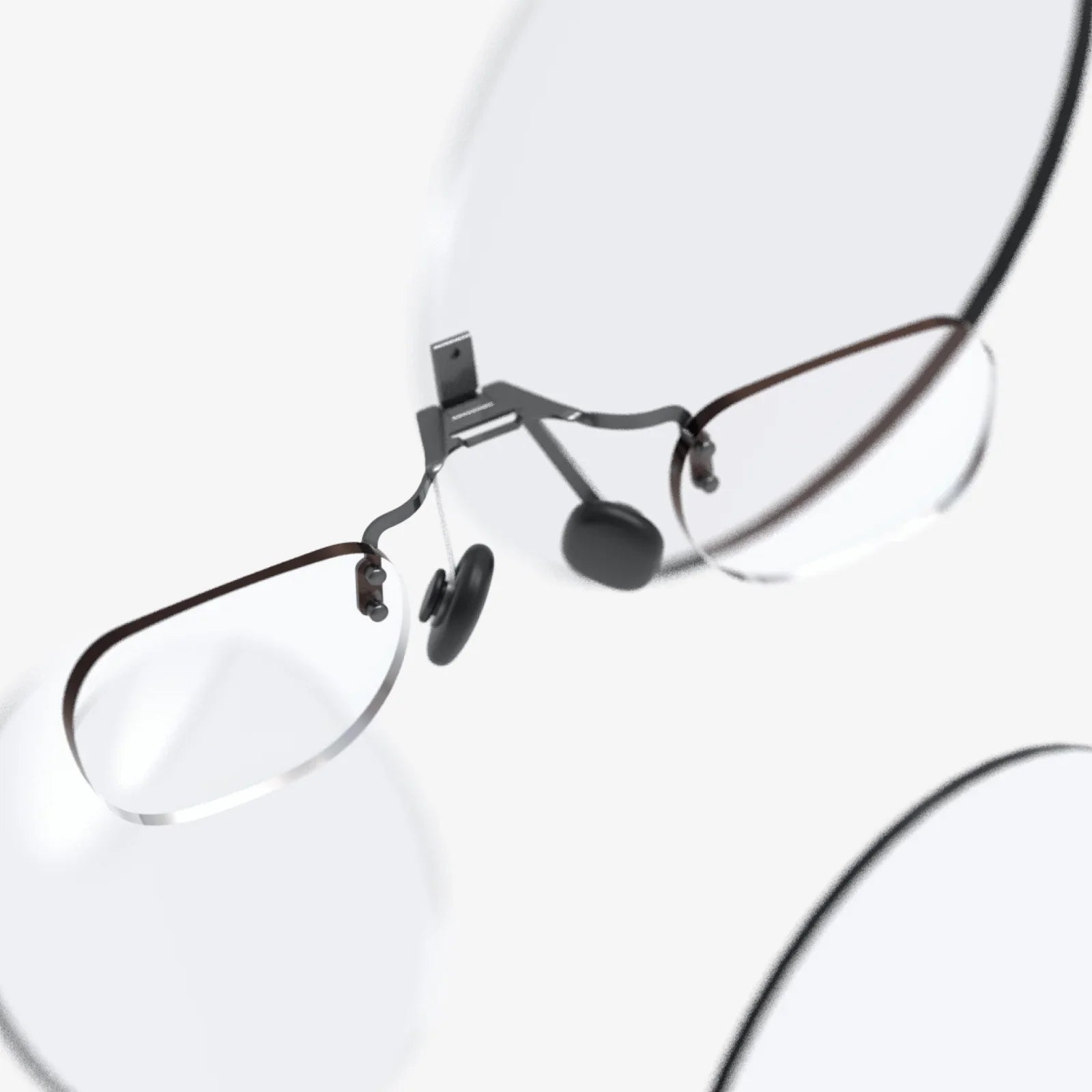
Imagine standing in your living room, browsing through thousands of eyewear frames from across the globe, and being able to instantly see exactly how each pair looks on your face—not just a static image, but a dynamic, three-dimensional version of you, turning your head, smiling, and viewing how the glasses fit from every conceivable angle. This is no longer the stuff of science fiction. The convergence of eyewear retail and cutting-edge technology has arrived, and it’s transforming a traditionally tactile, in-person experience into a seamless digital journey. Glasses direct augmented reality is dismantling the barriers of online shopping, offering an unprecedented level of confidence and personalization that is setting a new standard for how we buy products that are intrinsically personal.
The Evolution of a Vision: From Simple E-commerce to Immersive Experience
The journey of purchasing eyewear online began with a simple proposition: convenience and cost. Early adopters were willing to trade the certainty of a physical try-on for the lower prices and vast selection offered by digital storefronts. They relied on rudimentary tools—uploading a photo or using a simple webcam overlay—that provided a rough approximation at best. These methods, while innovative for their time, often fell short. The scale was frequently wrong, the perspective was off, and the static image couldn't capture the subtle nuances of fit, weight, and how the frames moved with the wearer.
This gap between the digital and physical experience was the primary hurdle stopping many consumers from embracing online eyewear shopping. The fear of looking foolish, the hassle of returns, and the inability to be sure of a style's suitability created a significant point of friction. Then came the technological leap. The proliferation of powerful smartphones equipped with advanced cameras and sensors, combined with sophisticated augmented reality software, created the perfect storm. This was no longer about overlaying an image; it was about embedding digital objects into the real world with stunning accuracy.
How Glasses Direct Augmented Reality Actually Works
At its core, glasses direct augmented reality is a sophisticated interplay of software and hardware. It begins with facial mapping. Using the camera on a smartphone, tablet, or eventually, smart glasses themselves, the technology performs a deep scan of the user's face. Advanced algorithms identify key facial landmarks—the precise distance between the pupils (pupillary distance or PD), the width of the bridge of the nose, the height of the cheekbones, the curve of the temples, and the overall shape of the head.
This data creates a unique 3D facial model. When a user selects a frame from a digital catalog, the AR platform doesn't just place a picture of glasses over your eyes. It renders a true-to-scale, three-dimensional model of the chosen frames and maps it perfectly onto your digital avatar. The result is a hyper-realistic simulation. The glasses will sit correctly on the nose, the arms will curve realistically around the ears, and the lenses will appear at the proper depth. The technology can even account for lighting, showing how light reflects off the lenses and how different frame colors complement your skin tone and hair color.
Beyond the "Wow" Factor: Tangible Benefits for the Consumer
The initial reaction to this technology is often one of delight and surprise. However, the true value of glasses direct augmented reality extends far beyond a novel gimmick. It delivers concrete, practical advantages that fundamentally improve the shopping experience.
- Unprecedented Confidence in Purchase: The single greatest benefit is the drastic reduction in purchase anxiety. Consumers can make informed decisions with a level of certainty previously reserved for physical stores. This leads to higher conversion rates for retailers and, more importantly, significantly higher customer satisfaction and far fewer returns.
- A Vastly Expanded Selection: Physical stores are limited by floor space. A digital showroom is infinite. Users can experiment with styles they would never have considered trying on in person—bold colors, unusual shapes, and designer frames that might not be available locally. This encourages fashion exploration and helps individuals discover their perfect look.
- Personalization at Scale: The technology can offer intelligent recommendations based on the user's facial shape, skin tone, and even past preferences. It can suggest frames that are known to complement an oval, round, or square face shape, acting as a personalized, digital stylist available 24/7.
- Accessibility and Convenience: For individuals with mobility issues, those living in remote areas, or anyone with a busy schedule, the ability to have a near-perfect fitting experience from home is revolutionary. It democratizes access to a wide range of eyewear options.
The Ripple Effect: Impact on the Eyewear Industry
This technological shift is not just changing consumer behavior; it's forcing a fundamental recalibration of the entire eyewear industry. Traditional brick-and-mortar opticians are now integrating these digital tools into their own offerings, creating omnichannel experiences. A customer might start their search online using an AR try-on, narrow down their choices, and then visit a store to feel the materials and finalize their purchase, or vice versa.
For designers and manufacturers, the feedback loop is invaluable. They can gather anonymized data on which styles are tried on most frequently, which are purchased, and—crucially—which are tried on but not purchased. This provides deep insights into consumer desires that go beyond simple sales figures, informing future design and production cycles. The industry moves from guessing what might sell to knowing what customers are actively seeking.
The Next Frontier: Where Glasses Direct Augmented Reality is Headed
The technology we see today is merely the foundation. The future of glasses direct augmented reality is even more immersive and integrated. We are moving towards a world where the try-on experience is not limited to a smartphone screen. The advent of lightweight, stylish AR smart glasses will be the next paradigm shift. Imagine wearing a pair of clear-lens smart glasses that can instantly overlay any frame style from a partnered brand onto your reflection in a mirror, or even onto the faces of people around you, allowing you to see how you would look in a social context.
Furthermore, integration with other technologies is inevitable. We can foresee:
- **AI-Powered Style Advisors:** More advanced AI that doesn't just recommend based on face shape but on your entire personal style, learned from your wardrobe and past choices.
- **Social Shopping Experiences:** The ability to share your virtual try-on sessions with friends and family in real-time for live feedback, making online shopping a collaborative and social event.
- **Advanced Lens Simulation:** Beyond frames, AR could simulate the visual experience of different lens types—such as blue light filtering, transitions, or specific tints—allowing you to see the world through them before you buy.
- **Haptic Feedback Integration:** Future devices might provide subtle haptic feedback to simulate the weight and pressure of different frames, adding the missing tactile element to the digital experience.
Navigating the New Landscape: Considerations for the Future
As with any transformative technology, the rise of glasses direct augmented reality brings its own set of challenges and considerations. Data privacy is paramount. The facial mapping data required for these experiences is highly sensitive biometric information. Reputable companies must be transparent about how this data is collected, used, stored, and protected, ensuring it is never exploited for secondary purposes without explicit user consent.
There is also the challenge of the digital divide. While smartphone penetration is high, the quality of devices and the speed of internet connections can vary, potentially creating an uneven experience. The industry must strive to make these tools as accessible and performant as possible across a wide range of devices. Finally, the technology, while impressive, is not infallible. It is a powerful guide, but for those with complex prescriptions or specific fit requirements, the expert advice of a qualified optician remains irreplaceable. The future lies in a hybrid model that leverages the best of both digital convenience and professional expertise.
The mirror on your screen is no longer just a reflection; it's a portal to a limitless optical boutique. Glasses direct augmented reality has successfully closed the loop between seeing and trying, between browsing and owning, offering a taste of the future that is as practical as it is thrilling. This is just the beginning of seeing the world—and ourselves—in a whole new light.
Share:
AR VR Immersive Technology is Reshaping Our Reality and Redefining Human Experience
Three Advantages of Virtual Office: Unlocking Business Potential