


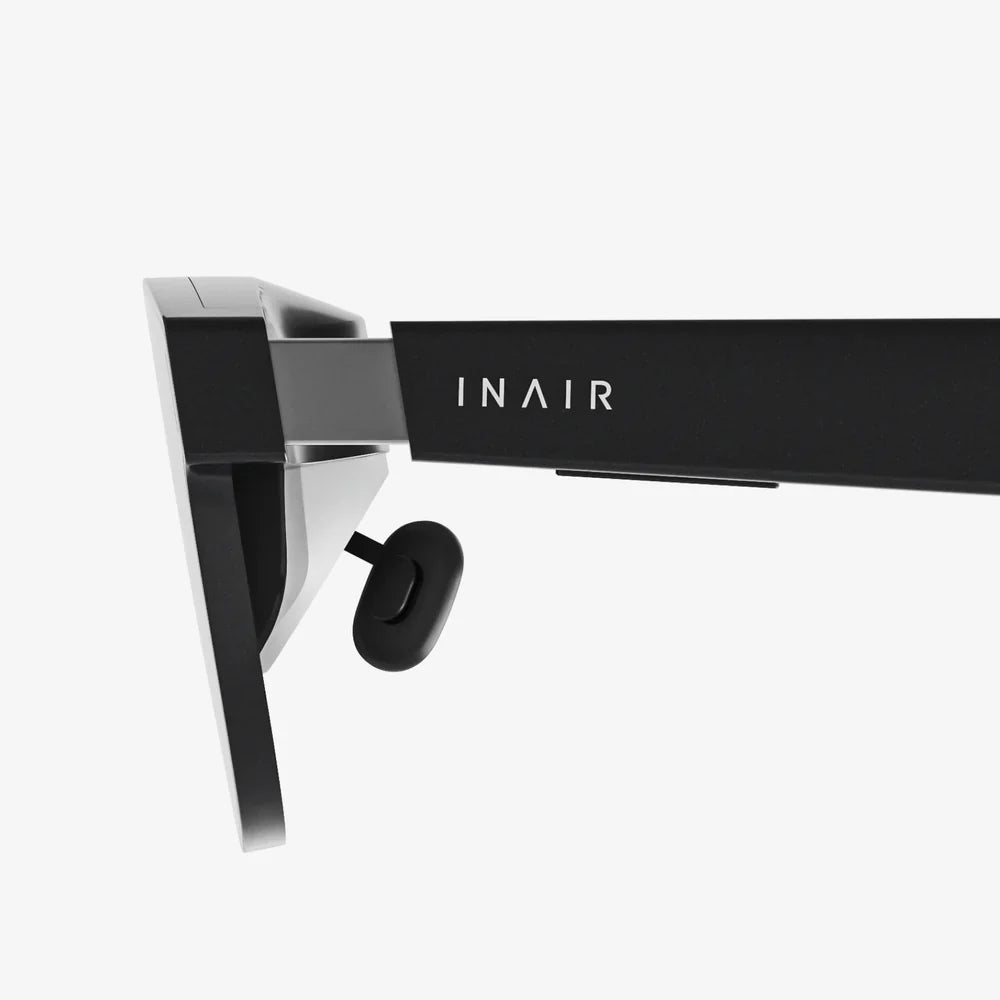
Do your eyes feel tired, dry, or strained after a long day scrolling through your social media feed, catching up on work emails, or binge-watching your favorite series? You’re not alone. In our hyper-connected world, the smartphone has become a constant companion, but this relationship comes at a cost to our most precious sensory organs: our eyes. This is where a specialized category of eyewear, often referred to as glasses for smartphone use, steps in, not as a mere accessory, but as a vital tool for ocular health and digital wellness. This comprehensive guide delves deep into the reasons behind digital eye strain, the science of blue light, and how the right pair of glasses can be a game-changer for your visual comfort and long-term well-being.
The Digital Assault on Our Eyes: Understanding the Problem
Before we can appreciate the solution, we must first understand the multifaceted problem posed by our devices. Staring at a smartphone screen is a uniquely demanding visual task, combining several factors that contribute to what optometrists call Digital Eye Strain (DES) or Computer Vision Syndrome.
What is Digital Eye Strain?
Digital Eye Strain encompasses a range of ocular and visual symptoms that result from prolonged use of digital devices. It's estimated that a significant percentage of digital device users experience some form of DES. The symptoms are diverse and can include:
- Eyestrain and tired eyes
- Headaches, often centered around the temples and forehead
- Blurred or double vision
- Dry, itchy, or burning eyes
- Neck, shoulder, and back pain
- Difficulty focusing after prolonged screen time
- Increased sensitivity to light
The Culprits Behind the Strain
Several key factors conspire to create this discomfort:
1. Blue Light Emission: High Energy Visible (HEV) blue light is the portion of the visible light spectrum with the shortest wavelengths and highest energy. While the largest source of blue light is the sun, digital screens emit significant amounts of this light. Unlike UV light, which is mostly absorbed by the cornea and lens, blue light penetrates all the way to the retina. Prolonged, close-range exposure has been linked to potential retinal damage and is a significant contributor to eye strain and sleep cycle disruption.
2. Pixel Glare and Screen Contrast: Unlike a printed page with solid ink, digital screens are composed of thousands of tiny pixels that constantly flicker and refresh. Our eyes must work harder to maintain focus on this less-defined text, leading to fatigue. The high contrast between the bright screen and the darker surroundings further forces our pupils to constantly adjust, adding to the strain.
3. The Blink Rate Phenomenon: When working at a computer or focusing intently on a phone, a person's blink rate can decrease dramatically—from a normal rate of about 15-20 blinks per minute to only 5-7. Each blink is essential for spreading hydrating tears across the surface of the eye. Reduced blinking leads to faster tear evaporation, resulting in dry, irritated eyes.
4. Poor Ergonomics and Posture: Smartphone use often encourages poor posture—head bent down, shoulders slumped—leading to the neck and back pain associated with DES. This "text neck" posture places additional strain on the musculoskeletal system.
How Glasses for Smartphone Use Offer a Solution
Specialized eyewear addresses these issues through a combination of lens technologies and optical designs tailored for the digital environment. They are not just reading glasses or sunglasses; they are engineered for the specific viewing distance and challenges of handheld devices.
1. Blue Light Filtering Technology
The most touted feature of these glasses is their ability to filter a portion of HEV blue light. This is achieved through two primary methods:
- Blue Light Filtering Coatings: A clear or slightly tinted coating is applied to the lens that reflects a percentage of blue light away from the eye. These lenses typically appear clear to a slight yellow tint.
- Internal Blue Light Filtering: Some lenses are manufactured with material that inherently absorbs blue light, offering protection without a noticeable tint or reflection.
By reducing the amount of high-energy blue light reaching the retina, these lenses help minimize glare, enhance contrast, and reduce the visual stress that leads to eye strain and headaches. Perhaps more importantly, by blocking blue light in the evening, they can help protect the body's natural production of melatonin, the sleep hormone, leading to improved sleep quality.
2. Anti-Glare and Anti-Reflective Coatings
An anti-reflective (AR) coating is almost always a standard feature on quality computer glasses. This coating minimizes reflections from both the front and back surfaces of the lenses. By eliminating these distracting glares from overhead lighting or windows, AR coatings reduce the need for the eyes to constantly readjust, allowing for more relaxed and comfortable vision. This is particularly beneficial when using a smartphone in brightly lit environments or outdoors.
3. Precision Lenses for Intermediate Distance
One of the most critical yet overlooked aspects is the optical power of the lenses. Reading glasses are designed for a near distance of roughly 12-18 inches, while computer screens are typically further away at 20-26 inches. A smartphone sits in an intermediate zone, often around 14-16 inches.
Glasses designed specifically for smartphone use often feature a very mild power boost (e.g., +0.50 to +0.75) that is optimized for this precise intermediate distance. This reduces the focusing demand on the eye's internal lens (the ciliary muscle), which must constantly contract to see close-up objects. This "accommodative stress" is a primary driver of eye fatigue. By providing the right amount of support, these lenses allow your eyes to work in a more relaxed, neutral state.
Beyond the Screen: The Holistic Benefits
The advantages of wearing glasses optimized for digital device use extend far beyond simply reducing screen-induced headaches.
Improved Sleep Patterns
The human circadian rhythm is highly sensitive to blue light. Exposure to blue light, especially after sunset, tricks the brain into thinking it's still daytime, suppressing melatonin production and making it harder to fall asleep and achieve restorative rest. Wearing blue-light-filtering glasses during evening smartphone or tablet use can mitigate this effect, signaling to your brain that it's time to wind down and promoting a more natural sleep cycle.
Enhanced Visual Performance and Comfort
With reduced glare and optimized focus, many users report that text appears sharper, contrast is improved, and overall visual comfort is significantly enhanced. This can lead to increased productivity, as you can work or browse for longer periods without visual discomfort forcing you to take a break.
Potential Long-Term Protective Effects
While research is ongoing, some studies suggest that cumulative exposure to blue light may contribute to the risk of developing age-related macular degeneration (AMD) later in life. By filtering a portion of this light, these glasses may play a role in long-term retinal health, acting as a preventive measure to protect your vision for years to come.
Choosing the Right Pair: A Buyer's Guide
Not all glasses marketed for screen use are created equal. Here’s what to consider to ensure you get a pair that truly works for you.
1. Lens Quality and Blue Light Protection
Look for specifics on the percentage of blue light filtered. Reputable manufacturers will provide this data. A range of blocking 20% to 40% of HEV blue light is common for clear lenses, while amber-tinted lenses can block significantly more. For all-day use, a clear or light yellow tint is often most practical. For evening use, a stronger amber tint might be preferable for maximum melatonin protection.
2. The Importance of an Anti-Reflective Coating
Do not compromise on a high-quality AR coating. It should be applied to both sides of the lens to minimize reflections from all angles. This feature is non-negotiable for effective digital eyewear.
3. Fit and Comfort
Since you'll likely be wearing these glasses for extended periods, frame choice is crucial. Look for a style that is lightweight and feels comfortable on your nose and ears. Adjustable nose pads can help achieve a perfect fit. Ensure the frame is wide enough to cover your field of view when looking at the screen.
4. The Critical Step: Professional Advice
While non-prescription options are widely available, the best course of action is to consult an eye care professional. They can:
- Perform a comprehensive eye exam to rule out other vision issues.
- Determine the precise optical power (if any) needed for your typical smartphone viewing distance.
- Recommend specific lens technologies and tints based on your individual habits and symptoms.
- Ensure the lenses are perfectly centered for your eyes (a process called pupillary distance measurement), which is vital for comfort.
Even if you have 20/20 vision, an optometrist can provide invaluable guidance in selecting the most beneficial lenses for your digital life.
Integrating Smart Glasses into a Healthy Digital Routine
Eyewear is a powerful tool, but it is not a silver bullet. For optimal eye health, it should be part of a broader strategy known as digital hygiene.
- The 20-20-20 Rule: Every 20 minutes, look at something 20 feet away for at least 20 seconds. This simple practice gives your focusing muscle a critical break.
- Mindful Blinking: Consciously remind yourself to blink fully and frequently while using your device to keep your eyes lubricated.
- Optimize Your Settings: Increase text size on your phone to avoid squinting. Use built-in device features like "Night Shift" or "Blue Light Filter" to reduce emission at the source, especially in the evenings. However, remember that these software solutions often work by shifting color temperature and may not filter all high-energy blue light as effectively as physical lenses.
- Ergonomics Matters: Hold your phone at a distance, just slightly below eye level, to avoid straining your neck and eyes.
- Environmental Lighting: Ensure your room is well-lit to minimize the contrast between your bright screen and a dark room.
Imagine finishing a long day of video calls and endless scrolling without that familiar pressure behind your eyes, the tension in your neck, or the worry that your睡前 routine is sabotaging your sleep. The right pair of glasses for smartphone use can transform your device from a source of strain into a tool you can use comfortably and sustainably. They are an investment not just in clearer vision today, but in preserving the health and vitality of your sight for all the moments yet to come—both on and off the screen. In an era defined by screens, taking proactive steps to shield your eyes is no longer a luxury; it’s an essential act of self-care.
Share:
Video Camera Spectacles: The Dawn of a New Era in Personal Recording
Video Camera Spectacles: The Dawn of a New Era in Personal Recording