


- by wangfred
Glasses That Display Subtitles Are Revolutionizing How We Hear the World
- by wangfred
Imagine sitting in a bustling, noisy restaurant, the clatter of plates and the hum of a dozen conversations making it nearly impossible to hear the person across from you. Now, imagine putting on a pair of sleek, ordinary-looking glasses and seeing their words transcribed in real-time, displayed elegantly in your field of vision. This is no longer a scene from science fiction. Glasses that display subtitles are here, and they are poised to fundamentally alter the human experience of sound, communication, and accessibility.
At their essence, these devices are a sophisticated fusion of several advanced technologies, packaged into a wearable, aesthetically pleasing form factor. The magic happens through a combination of hardware and software working in seamless concert.
The primary enabler is a sophisticated array of microphones. These are not simple voice-recognition mics; they are often powered by beamforming technology. This allows the glasses to act like a directional hearing aid, focusing on the specific sound source the wearer is looking at while actively suppressing background noise, reverberations, and other auditory distractions. It’s akin to an acoustic spotlight, isolating a single speaker's voice from the cacophony of a room.
This captured audio is then processed, typically either on a dedicated processing unit within the glasses' frame or streamed wirelessly to a paired smartphone that handles the heavy computational lifting. Here, powerful speech-to-text algorithms, often leveraging artificial intelligence and neural networks, transcribe the spoken words into text with remarkable speed and accuracy. These algorithms are continuously learning and improving, becoming better at understanding different accents, dialects, and coping with challenging acoustic environments.
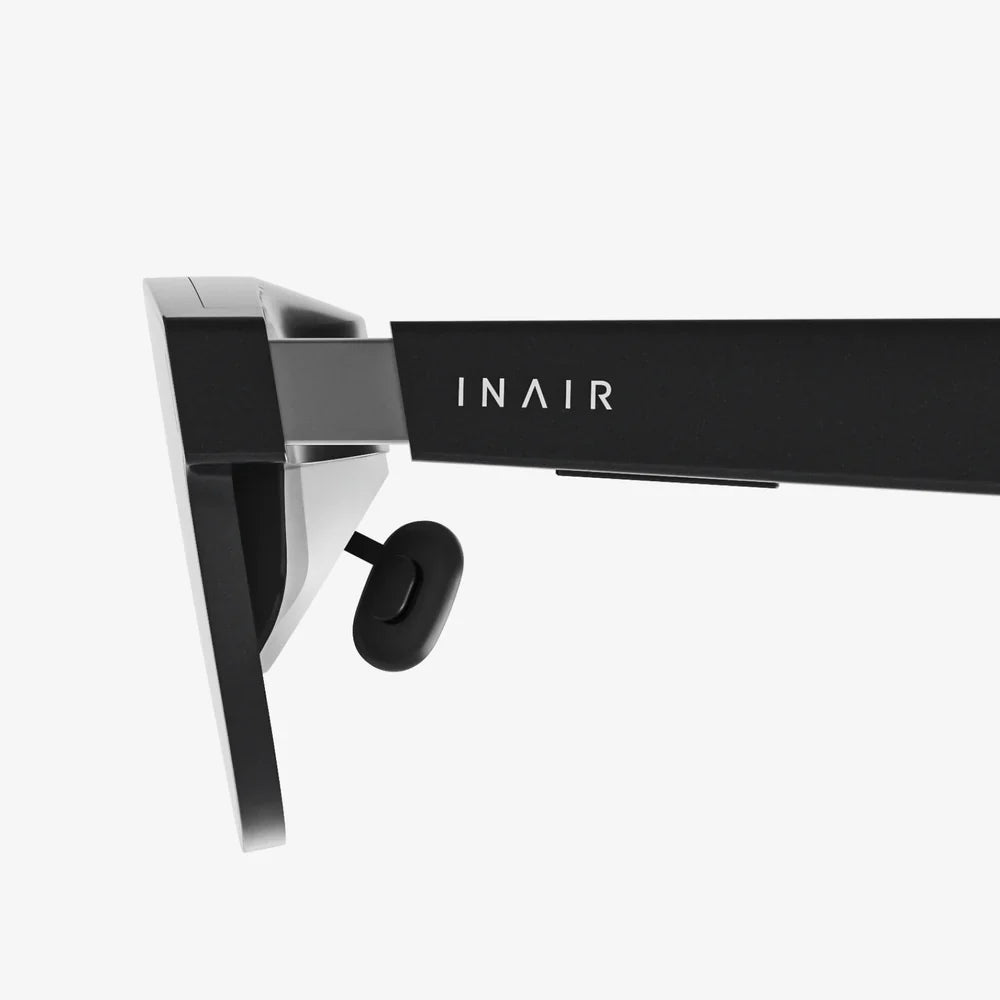
The final step is the display. This is achieved through miniature projectors or waveguides embedded in the lenses. These systems project the transcribed text onto the lenses themselves, creating the illusion that the words are floating in space a short distance away. The technology is designed to be minimally intrusive, allowing the wearer to simultaneously read the subtitles and maintain natural eye contact, seeing both the text and the world behind it. This augmented reality (AR) overlay is the crucial interface that transforms auditory information into a visual one.
While the technology is undeniably cool, its most profound impact is in the realm of accessibility. For the hundreds of millions of people worldwide with hearing impairments, from mild hearing loss to profound deafness, these glasses are not a gadget; they are a gateway.
For those in the deaf and hard-of-hearing community, navigating a world designed primarily for hearing people is a constant challenge. Social gatherings, business meetings, lectures, and even watching television with others can create barriers to inclusion. Traditional solutions like hearing aids or cochlear implants are miraculous for many, but they don't work for everyone and can struggle in noisy settings. Sign language is a rich and complete language, but it is not universally known.
Subtitle glasses shatter these barriers. They provide real-time access to spoken language, enabling fluid conversation without the need for a human interpreter to be physically present for every interaction. They empower individuals to participate fully in meetings, understand a professor's lecture from any seat in a large hall, enjoy a play at the theater through captions only they can see, and engage in the spontaneous, overlapping chatter of a family dinner. They restore a sense of agency and independence, reducing the cognitive fatigue and social isolation that often accompanies hearing loss.
The potential user base for this technology extends far beyond the hearing-impaired community. We all find ourselves in situations where auditory clarity is compromised.
As with any powerful new technology, the advent of glasses that display subtitles brings with it a host of ethical and social questions that society will need to grapple with.
Privacy and Consent: These devices, by their very nature, record and transcribe conversations. What are the ethical implications of recording someone's speech without their explicit knowledge or consent? While the intent is to aid the wearer, it creates a potential for misuse. Clear norms and potentially even laws will need to be developed around the etiquette of their use. Should wearers be obligated to inform others they are being "subtitled"? Will public spaces need to develop new rules, similar to those concerning video recording?
Social Dynamics and Etiquette: How will the widespread use of these glasses change face-to-face interaction? Will eye contact suffer as people split their attention between reading text and looking at a person's face? Could it lead to a new form of distraction, where someone is mentally more engaged with the transcription than the emotional cadence of the conversation? There is a risk that in our quest for perfect informational clarity, we lose some of the nuanced, non-verbal aspects of human communication—the tone, the sigh, the hesitation—that the text alone cannot convey.
Dependence and Atrophy: There is also a philosophical concern about our increasing reliance on technology to mediate our experiences. If we can always fall back on visual text, will our natural auditory processing skills diminish over time? It's a classic case of technology solving a problem but potentially creating a new vulnerability in the process.
Today's subtitle glasses are just the beginning. This technology represents the first step into a wider world of augmented auditory reality. The logical evolution points to devices that do far more than just display text.
Future iterations could analyze the emotional sentiment of speech, tagging text with icons indicating sarcasm, joy, or anger to provide deeper context. They could identify and label specific sounds in the environment—translating a bird's song into its species name, identifying a siren's type and approximate distance, or even providing the name of a song playing in a coffee shop. They could integrate with other digital systems, allowing you to see a person's name and LinkedIn profile when you meet them at a networking event, or display recipe steps as you cook from a verbal instruction video.
The convergence of visual AR and advanced auditory processing will create a new layer of digital information seamlessly integrated with our perception of the real world. The glasses that today provide subtitles for conversation will tomorrow become a universal translator, a personal acoustic assistant, and an auditory historian, recording and making sense of the soundscape of our lives.
The quiet revolution happening on the bridges of our noses is about more than just convenience; it's about building a more inclusive world where language and sound are no longer barriers. It’s about granting everyone a front-row seat to the conversation of life, ensuring no word, no joke, and no crucial piece of information is ever missed again. The ability to truly hear someone is a profound human connection, and this technology promises to make that connection available to all, fundamentally changing our relationship with the world of sound forever.
Share:
Smart Glasses Comparison: A Deep Dive into the Future on Your Face
Smart Glasses What Do They Do: A Deep Dive Into Wearable Tech