


- by wangfred
Glasses with Audio: The Invisible Revolution in Personal Technology
- by wangfred
Imagine a world where your favorite soundtrack scores your morning commute, where turn-by-turn navigation whispers directly into your ears without a single wire in sight, and important calls are taken with a subtle tap on a temple, all while you look someone directly in the eye. This isn't a scene from a science fiction film; it's the reality being ushered in by the rapid evolution of glasses with audio. This emerging category of wearable technology is poised to do something remarkable: make powerful computing experiences feel invisible, integrating them so seamlessly into our daily lives that they enhance our reality rather than distract from it. They represent a fundamental shift from the 'heads-down' interaction of smartphones to a 'heads-up, world-on' experience, and it’s a revolution happening right before our eyes—and ears.
The fundamental genius of glasses with audio lies in their convergence. For decades, eyeglasses have served a single, defined purpose: vision correction. Similarly, personal audio devices, from bulky headphones to discreet earbuds, have existed in a separate domain. The breakthrough idea was to merge these two essential accessories into one elegant, unified form factor. This fusion solves a persistent modern problem: accessory overload. Instead of managing separate devices for vision, audio, and increasingly, connectivity, users can now access all these functions through a single, familiar item they were already accustomed to wearing every day.
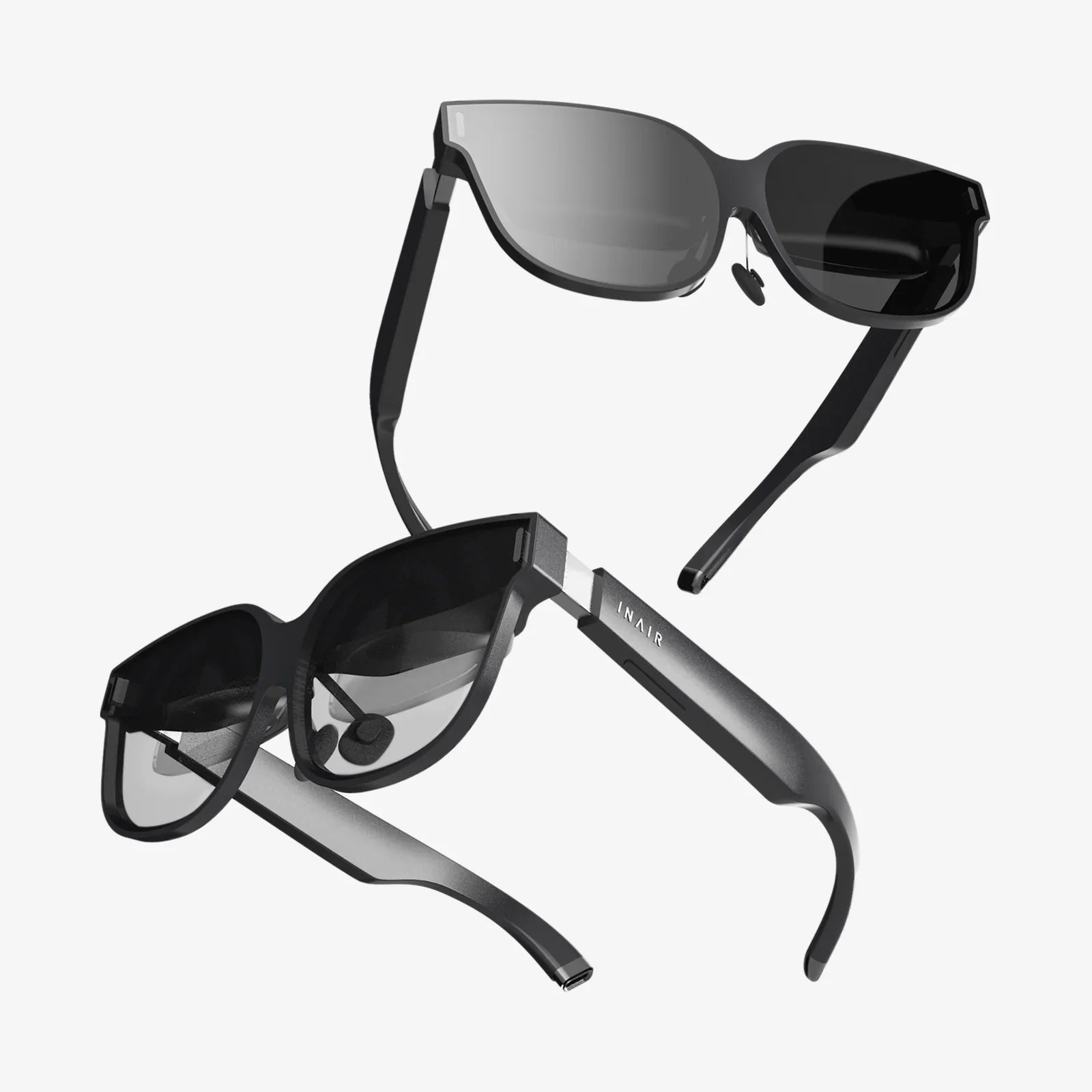
The design philosophy behind these devices is arguably as important as the technology inside. The goal is not to create a glaringly obvious piece of tech gear but to design something that looks and feels like a premium pair of spectacles. This involves meticulous engineering to house speakers, microphones, batteries, and processing chips within the slim arms and frame, all without compromising on comfort, weight, or style. The success of this category hinges on this delicate balance. If the technology feels intrusive or the design is awkward, it fails. The ultimate compliment for a pair of these advanced spectacles is for someone to not even realize they are looking at a sophisticated computer.
Beneath the stylish exterior of these frames lies a dense package of innovative technology. Understanding these components is key to appreciating the engineering marvel they represent.
One of the most common technologies employed is bone conduction. Instead of directing sound waves into the ear canal through speakers, bone conduction transducers send subtle vibrations through the skull bone, directly to the cochlea. This leaves the ear canal completely open, allowing the wearer to hear their music, podcasts, or calls while remaining fully aware of ambient sounds like traffic, conversations, and announcements. This is a critical safety feature, especially for cyclists, runners, and pedestrians navigating urban environments.
An alternative method uses tiny, directional speakers embedded in the arms of the frames. These speakers are positioned just forward of the ear, projecting sound inward. Advanced algorithms and physical design work to minimize sound leakage, creating a personal audio bubble that is largely private while still allowing environmental awareness. Both methods represent a significant departure from traditional headphones, prioritizing situational awareness without sacrificing personal audio.
Capturing clear audio in a noisy world is a formidable challenge. These devices utilize beamforming microphone arrays, often consisting of multiple tiny microphones spread along the frame. This array works intelligently to identify the user's voice from a mix of surrounding sounds, focusing on it while suppressing background noise like wind or crowd chatter. This enables crystal-clear call quality and reliable voice assistant interactions even on a bustling street corner, making the experience feel truly magical.
Seamless Bluetooth connectivity is the lifeblood of these devices, linking them to smartphones, laptops, and other gadgets. The latest standards ensure a stable, low-latency connection for audio sync and reliable communication. Powering all this innovation requires a small but efficient rechargeable battery discreetly packed into one of the arms. Battery life is a constant focus for engineers, with most designs aiming for a full day of typical use on a single charge. Efficient chipsets and smart power management are crucial to achieving this goal within such a constrained physical space.
While listening to music is an obvious application, the potential uses for glasses with audio extend far into productivity, accessibility, and wellness, painting a picture of a vastly more integrated future.
For the modern professional, these glasses are a productivity powerhouse. They enable immersive focus sessions with ambient soundscapes or music, all while being instantly available for a crucial video call without fumbling for earbuds. Receiving real-time language translations during a conversation with an international colleague or having notes and reminders read aloud without looking away from a task can create a significant efficiency advantage. It’s a tool for continuous, uninterrupted workflow.
This is perhaps the most profound application. For individuals with visual impairments, audio-enabled glasses can serve as a powerful assistive device. Integrated cameras coupled with AI can describe scenes, read text from documents or signs, identify currency, and even recognize faces, narrating all this information discretely through the audio system. This provides a new layer of independence and interaction with the world. Similarly, for those with certain types of hearing loss, advanced audio processing can amplify and clarify speech frequencies, making conversations easier to follow.
For the fitness enthusiast, they are the ideal workout companion. The open-ear design provides safety and awareness, while onboard sensors can deliver real-time workout metrics, pace, and heart rate data audibly. When paired with augmented reality platforms, the potential expands further. Imagine walking through a museum and having audio commentary about each exhibit play automatically, or touring a new city with a historical narration layered over your actual surroundings. The glasses become a lens through which the world is annotated and explained.
As with any pervasive new technology, the rise of glasses with audio brings a host of social and ethical questions that society will need to grapple with.
The very discretion that makes these devices so appealing also raises privacy concerns. A person wearing a seemingly ordinary pair of glasses could theoretically be recording audio or video without others' knowledge or consent. This creates a new social dynamic and potential for misuse. Manufacturers address this with clear physical indicators—like LED lights that show when recording is active—and robust data encryption. The industry must prioritize transparency and user control to build trust and ensure this technology is used responsibly.
Paradoxically, this technology could help combat the very digital distraction it represents. By moving interactions from a handheld screen to an audio-based interface, it encourages users to keep their heads up and engaged with their physical environment. You can listen to a podcast while playing with your children in the park, or take a call while maintaining eye contact with a colleague, rather than staring down at a phone. It has the potential to make our use of technology less antisocial and more integrated with human connection.
The trajectory of this technology points toward even deeper integration. Future iterations will feature more advanced AI assistants that are contextually aware, responding not just to voice commands but to your location, schedule, and habits. Biometric sensors for health monitoring—tracking stress levels through vocal tone or activity through motion—will transform them from communication devices into wellness tools. The line between the physical and digital worlds will continue to blur, with audio serving as the primary, and most natural, interface.
We are standing at the precipice of a new era in personal technology, one defined not by screens we hold, but by experiences we wear. Glasses with audio are the vanguard of this shift, offering a glimpse into a future where technology doesn't demand our attention but effortlessly amplifies our lives. They challenge the notion that advancement means more complexity, instead proving that the most sophisticated technology can be the most simple and intuitive to use. The next time you see someone wearing a sharp pair of spectacles, look a little closer; they might just be listening to the future, and it sounds incredible.
Share:
Headset: The Ultimate Guide to Choosing Your Perfect Audio Companion
Master of Human-Computer Interaction: Designing the Future of Our Digital Lives