


- by wangfred
Global Wearable Electronics Market: A Deep Dive into the Technology Reshaping Humanity
- by wangfred
The world is strapping on, clipping in, and wearing out. From the subtle buzz on your wrist to the discreet lens in your ear, wearable electronics have silently woven themselves into the very fabric of our daily existence, creating a multi-billion-dollar ecosystem that is not just observing but actively shaping the future of human interaction, health, and productivity. This is the story of the global wearable electronics market, a dynamic and relentless force that is far more than a trend—it is a fundamental shift in our relationship with technology.
The term 'wearable electronics' encompasses a vast and ever-expanding universe of devices designed to be worn on the human body. These are not merely portable gadgets; they are integrated systems that interact with the user and their environment in real-time. The market is broadly segmented into several key categories, each with its own unique value proposition and growth trajectory.
This segment is the undeniable powerhouse and public face of the wearable market. Initially popularized by basic fitness trackers that counted steps and calories, the category has evolved into a sophisticated platform for health monitoring, communication, and mobile computing. Modern devices boast an array of sensors including optical heart rate monitors, electrocardiogram (ECG) apps, blood oxygen saturation (SpO2) sensors, and advanced accelerometers. They serve as a remote control for our digital lives, delivering notifications, enabling contactless payments, and providing a constant stream of personalized health data.
Transcending their primary function of audio playback, wireless earbuds and hearing aids have become intelligent hubs for auditory computing. They feature active noise cancellation (ANC), transparent hearing modes, real-time language translation, and integrated voice assistants. The health applications are particularly promising, with research focused on using built-in microphones and sensors to detect falls, monitor heart rate through blood flow sounds in the ear, and even track cognitive health.
Technology is becoming thread, moving beyond accessories and into the clothes themselves. Smart garments—from biometric shirts to posture-correcting yoga pants—embed sensors directly into textiles, allowing for a more holistic and continuous collection of physiological data like muscle activity, respiration rate, and core body temperature. This segment also includes specialized medical-grade wearable patches that monitor vital signs for remote patient monitoring, a critical innovation in the move towards decentralized healthcare.
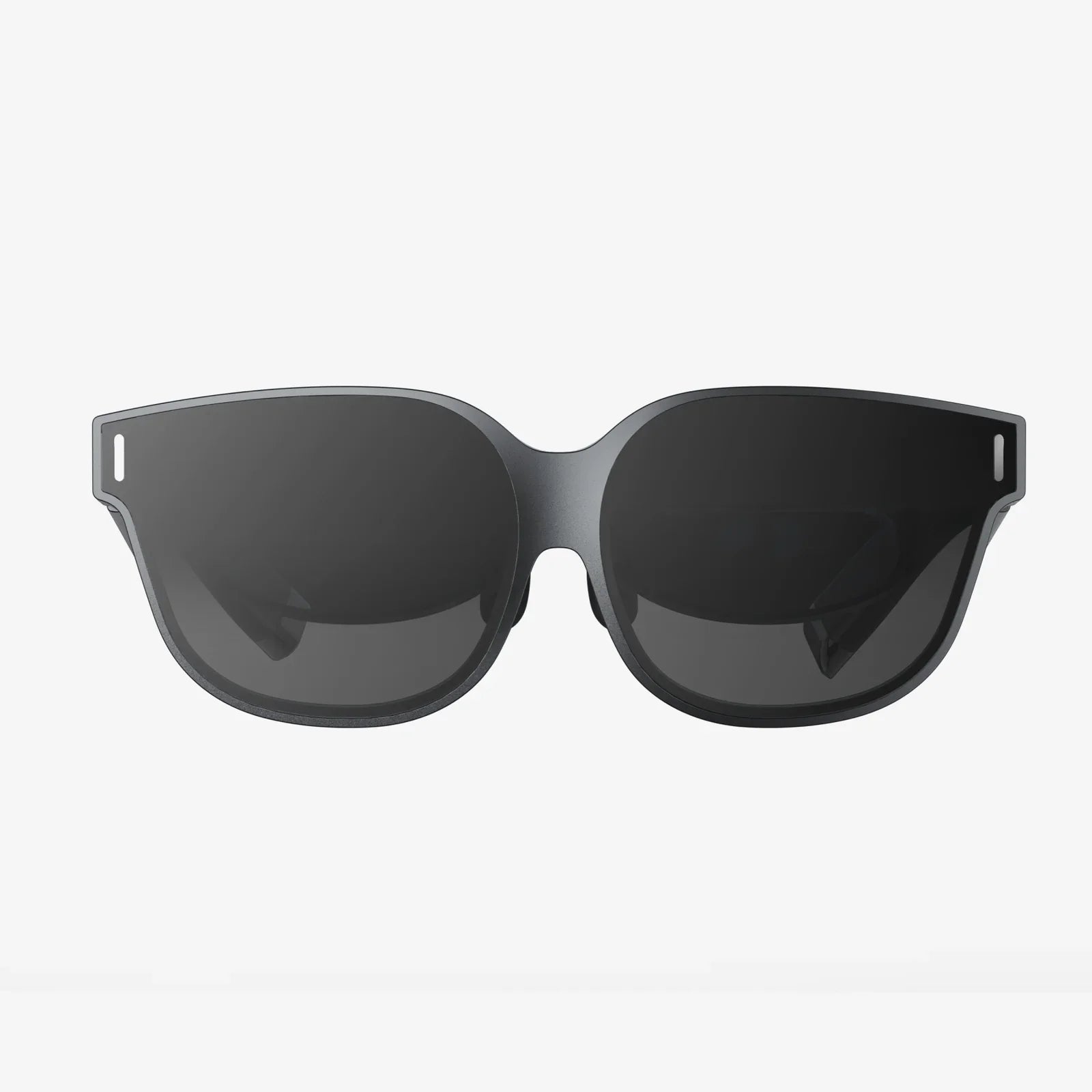
While still emerging in the consumer space, AR and VR headsets represent the most immersive end of the wearable spectrum. They promise to redefine everything from gaming and entertainment to industrial design, remote collaboration, and surgical training. The fusion of the digital and physical worlds through these wearables is poised to create entirely new markets and ways of working.
The staggering expansion of the global wearable electronics market is not accidental. It is the result of a powerful convergence of technological, societal, and economic factors.
A global cultural shift towards proactive, rather than reactive, health management is perhaps the single most significant driver. Consumers are increasingly empowered to take control of their own wellbeing, and wearables provide the quantifiable data to do so. The ability to track sleep patterns, monitor stress levels, and receive nudges to move has created a powerful feedback loop that encourages healthier behaviors. For the healthcare industry, this represents a paradigm shift from episodic care in clinics to continuous care in the community, potentially reducing the burden on traditional medical systems.
The market's viability is built on the back of breakthroughs in adjacent fields. The relentless miniaturization of sensors, processors, and batteries has allowed powerful computing capabilities to be packaged into aesthetically pleasing, all-day-wearable form factors. Advances in low-power wireless connectivity like Bluetooth Low Energy (BLE) and soon, 5G-enabled wearables, ensure these devices stay connected without draining their batteries. Furthermore, developments in flexible and stretchable electronics are enabling the next wave of comfortable, skin-like devices.
Wearables are the most personal node in the vast IoT network. They act as a bridge between the user and other smart devices—unlocking doors, adjusting thermostats, controlling media on smart TVs, and interacting with smart appliances. This interconnected ecosystem enhances the utility of each individual device, creating a sticky, seamless user experience that drives adoption and brand loyalty.
In key markets, regulatory bodies have begun clearing certain wearable devices for specific medical uses, such as detecting atrial fibrillation. This medical validation is a crucial stamp of approval that opens the door for healthcare providers to prescribe and, in some cases, insurance companies to reimburse for these devices, creating a significant new channel for growth beyond the consumer retail space.
Despite its bright future, the path forward for the wearable electronics market is not without significant obstacles.
Wearables collect the most intimate data imaginable: our location, our bodily functions, our daily habits. This creates a massive and attractive target for cyberattacks. The industry faces immense scrutiny and responsibility regarding how this data is stored, processed, and shared. Questions of data ownership, user consent, and protection against breaches are critical. A single major privacy scandal could severely erode public trust and trigger harsh regulatory crackdowns.
While battery technology has improved, it remains a key limitation. For wearables to achieve their full potential as continuous health monitors, they need to operate for days or weeks, not hours, on a single charge. The charging process itself is often a point of friction for users. Breakthroughs in energy harvesting (e.g., from body heat or movement) and ultra-low-power displays are essential for the next leap forward.
The market for basic fitness trackers and smartwatches in developed economies is becoming increasingly saturated. To continue growing, companies must move beyond incremental hardware updates and focus on delivering unique, software-driven services and actionable insights. The value is shifting from the hardware itself to the algorithms and AI that interpret the data and provide meaningful, personalized recommendations to the user.
For wearables to be truly integrated into clinical care, the accuracy and reliability of their data must be beyond reproach. A heart rate reading that is off by a few beats per minute may be acceptable for a fitness enthusiast but is catastrophic for a patient managing a cardiac condition. Rigorous clinical trials and ongoing validation are required to transition many devices from 'wellness' tools to approved 'medical' devices.
The wearable electronics market is poised for even more radical transformation. The next decade will be defined by several key trends that sound like science fiction but are rapidly approaching reality.
Research is advancing rapidly on sensors that can non-invasively measure biomarkers that currently require blood draws. This includes continuous glucose monitoring for diabetics without piercing the skin, tracking hydration levels, measuring blood alcohol content, and screening for early signs of disease through chemical analysis of sweat or tears. This would represent a quantum leap in personalized medicine.
Moving beyond the body to interface directly with the brain is the final frontier. While still in early stages, non-invasive BCIs—often in the form of headbands—are being developed to monitor focus, control virtual objects with your mind, manage stress, and even assist in the treatment of neurological conditions like depression, PTSD, and Parkinson's disease.
Future wearables will be virtually invisible. Electronic skin (e-skin) patches, smart contact lenses with built-in displays, and jewelry that monitors vitals will replace the clunky wristbands of today. The goal is for the technology to disappear entirely, becoming an unobtrusive and seamless part of our lives.
The true value of the massive datasets collected by wearables will be unlocked by artificial intelligence. Instead of just telling you what your heart rate was, AI will analyze long-term trends to predict potential health events before they occur, providing early warnings for issues like infections, arrhythmias, or metabolic imbalances and prompting you to seek care proactively.
Imagine a world where your shirt detects the earliest signs of a flu virus days before you feel symptoms, your glasses translate a foreign street sign in real-time, and your ring gently vibrates to warn of an irregular heart rhythm, prompting a life-saving doctor's visit. This is not a distant future; it is the inevitable destination of the trajectory we are on today. The global wearable electronics market is the engine building this future, transforming our bodies into the ultimate dashboard for human life and redefining the very boundaries of what it means to be healthy, connected, and human. The devices on our wrists are just the beginning; the real revolution is just getting under our skin.