


Imagine a world where your watch doesn’t just tell time, but tells you about your health; where your ring can guide your meditation, and your glasses can overlay a digital universe onto the physical one. This is no longer the realm of science fiction. It is the pulsating, rapidly evolving reality of the global wearables market tech, a silent revolution that is seamlessly integrating technology into the very fabric of our daily lives, one device at a time. From fitness fanatics to corporate professionals, from the elderly to the young, wearables are transcending their novelty status to become indispensable companions, creating a multi-billion-dollar ecosystem that is reshaping industries and redefining human potential.
The Convergence of Technology and Biology
The explosive growth of the global wearables market is not a standalone phenomenon. It is the result of a perfect storm of technological advancement, societal shift, and economic viability. At its core, this market represents the unprecedented convergence of several key technologies.
First, the relentless miniaturization of sensors has been a primary catalyst. Advanced accelerometers, gyroscopes, optical heart rate monitors, electrocardiogram (ECG) sensors, blood oxygen saturation (SpO2) monitors, and even skin temperature sensors have become so small and power-efficient that they can be embedded into a device no larger than a button. These sensors are the eyes and ears of wearables, continuously gathering a vast stream of physiological and environmental data.
Second, the exponential improvement in processing power and battery technology has enabled these devices to not only collect data but to process it intelligently. Sophisticated algorithms and on-device machine learning can now analyze raw sensor data in real-time, transforming it into actionable insights—detecting atrial fibrillation, estimating sleep stages, or providing personalized workout recommendations. This shift from simple data logging to intelligent analysis is what elevates a gadget to a genuine health and wellness partner.
Finally, the ubiquity of high-speed connectivity, primarily through Bluetooth Low Energy (BLE) and cellular networks, allows these devices to serve as a bridge between the user and the cloud. Data syncs seamlessly to smartphones and vast cloud infrastructures, where more complex artificial intelligence and big data analytics can uncover deeper, long-term trends and patterns, connecting the individual to a larger ecosystem of health services and applications.
Beyond the Wrist: A Taxonomy of Wearable Tech
While smartwatches and fitness trackers dominate public perception, the global wearables market tech is far more diverse and innovative.
Wrist-Worn Dominance
This category remains the king, accounting for the vast majority of shipments. It has evolved into two distinct strata: fitness-focused bands that offer core activity tracking at accessible price points, and advanced smartwatches that function as full-fledged wrist-worn computers with extensive health monitoring, notification management, and third-party app support.
Hearables
Intelligent earphones have surged in popularity, moving far beyond simple audio playback. They now incorporate features like real-time language translation, adaptive noise cancellation, integrated fitness coaching, and biometric monitoring, leveraging the unique position within the ear for accurate health data reading.
Smart Apparel and Patches
The integration of conductive fibers and flexible sensors into clothing is creating a new category of discreet, continuous monitoring. Smart shirts can measure running form and muscle exertion, while medical-grade adhesive patches can provide clinical-level, continuous remote patient monitoring for days or weeks, revolutionizing post-operative care and chronic disease management.
Smart Glasses and Augmented Reality
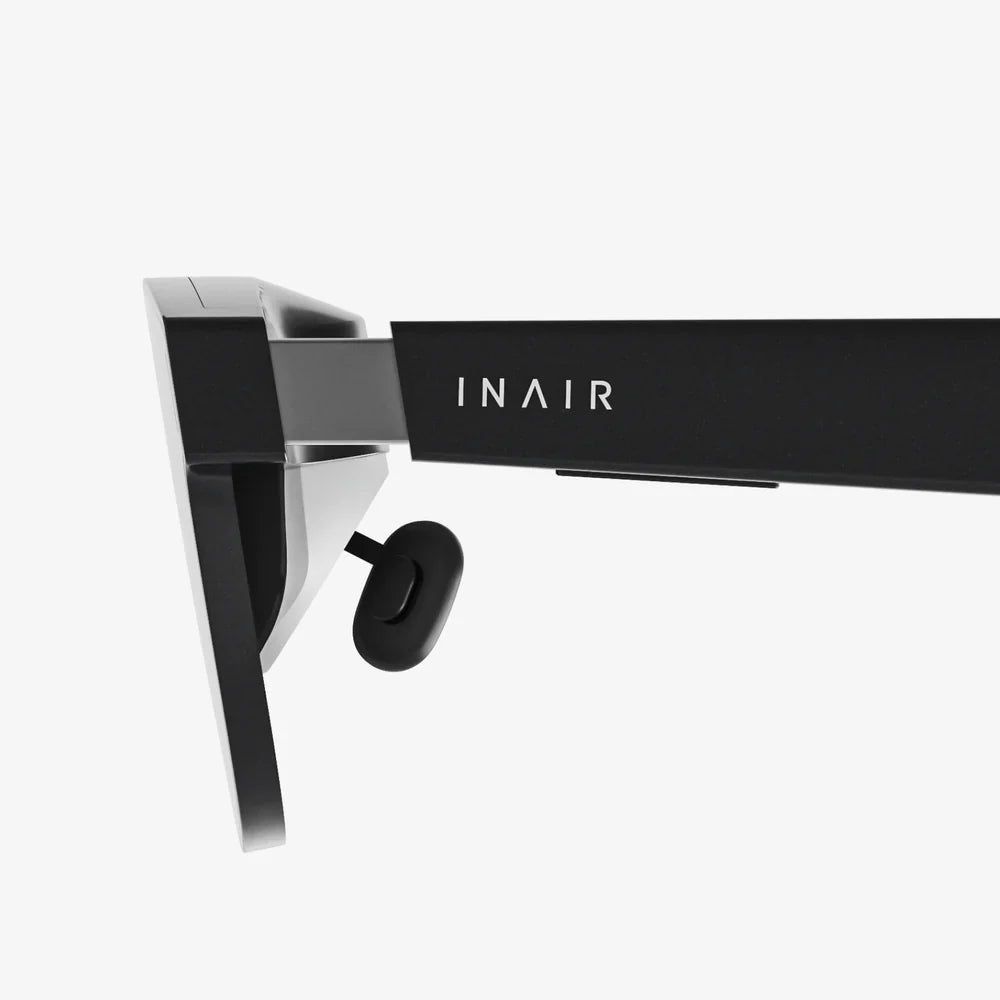
While still emerging, smart glasses represent the next frontier. They aim to superimpose digital information onto the real world, with applications ranging from enterprise (aiding technicians with hands-free manuals) to social connectivity and gaming. This segment is poised for significant growth as display technology improves.
Other Form Factors
The innovation continues with smart rings focused on sleep and activity tracking, connected shoes that analyze gait, and even smart headbands for meditation and focus. The form factor is increasingly being dictated by the specific use case and the desire for continuous, unobtrusive monitoring.
The Engine of Growth: Key Market Drivers
Several powerful forces are propelling the global wearables market tech forward at a breakneck pace.
The most significant driver is the profound global shift towards proactive and personalized healthcare. Consumers are increasingly taking charge of their own wellness, seeking tools that provide insights into their health metrics. This trend was massively accelerated by recent global health crises, which heightened awareness of personal vitals like blood oxygen levels and heart rate. Wearables offer a democratized form of health monitoring, putting power in the hands of the user.
Furthermore, the formal recognition and regulatory approval of certain health features have been a game-changer. When a wearable device receives clearance from a major medical regulatory body to perform an ECG, it transitions from a wellness gadget to a potential life-saving medical tool. This validation not only boosts consumer confidence but also opens the door for integration with healthcare providers and insurance companies.
On the enterprise front, corporations are increasingly adopting wearables to improve employee safety, wellness, and productivity. In warehouses, smart glasses can streamline picking processes; on construction sites, wearables can monitor for fatigue and environmental hazards; in offices, companies are subsidizing fitness trackers to promote employee well-being.
Navigating the Storm: Challenges and Ethical Quandaries
Despite its promise, the path forward for the global wearables market tech is fraught with significant challenges that must be navigated carefully.
The Data Privacy Imperative
Wearables collect the most intimate data possible: continuous, real-time information about our bodies, locations, and daily habits. This creates a treasure trove for hackers and a huge responsibility for companies. Questions of data ownership, consent, and usage are paramount. Who owns this data—the user, the device maker, or the app developer? How is it being anonymized and aggregated? The industry is grappling with establishing robust, transparent, and ethical data governance frameworks to maintain user trust.
Regulatory Hurdles
As devices become more medically capable, they enter a tightly regulated space. Navigating the complex and often slow processes of agencies like the FDA (U.S. Food and Drug Administration) is a major hurdle for tech companies accustomed to rapid iteration. The balance between innovation and patient safety is a delicate one, and the regulatory landscape is still evolving to keep pace with the technology.
Market Saturation and Consumer Fatigue
In mature markets, the initial wave of adoption has crested. Many consumers who wanted a basic activity tracker already have one. The challenge now is to drive upgrade cycles and convince users of the value of more advanced—and often more expensive—features. Avoiding market fatigue requires demonstrating clear, tangible value beyond step counting.
The Accuracy Question
While sensor technology has improved dramatically, the accuracy of consumer wearables for clinical-grade diagnosis is still a subject of debate within the medical community. False positives can cause unnecessary anxiety, while false negatives can provide a dangerous false sense of security. Continuous validation and clear communication about the limitations of these devices are essential.
The Future Forged on the Wrist: Emerging Trends
The next decade of the global wearables market tech will be defined by several key trends that are already beginning to take shape.
Non-Invasive Glucose Monitoring: The holy grail of wearable tech. The ability to continuously measure blood glucose levels without breaking the skin would be a revolutionary development for diabetics and the wellness market alike. Several companies are making significant strides in this area using optical and RF sensors.
Mental Health and Stress Management: The next frontier for biometrics is the mind. Devices are already using heart rate variability (HRV), skin temperature, and other metrics to estimate stress levels and guide users through breathing exercises. Future devices may incorporate more advanced sensors to provide deeper insights into emotional and cognitive states.
True Ambient Computing: Wearables will evolve to become the primary interface for ambient computing, where technology recedes into the background of our lives. Your watch will interact seamlessly with your smart home, your car, and your workplace, anticipating your needs and providing information without you ever having to pull out a phone.
Material Science Innovation: Future devices will move beyond rigid silicon and glass. Advances in flexible, stretchable electronics and biodegradable batteries will lead to wearables that are truly invisible—adhesive skin patches, electronic tattoos, and smart fabrics that are indistinguishable from ordinary clothing.
Hyper-Personalization through AI: Artificial intelligence will move from providing generic insights to offering hyper-personalized recommendations. Your device will learn your unique patterns and baselines, offering coaching and alerts tailored specifically to your physiology, goals, and lifestyle.
The global wearables market tech is far more than a story of gadgets and profits; it is a profound narrative about the merging of human and machine. It’s a journey from counting steps to managing chronic disease, from receiving notifications to interacting with a digital twin of our world. The wrist, the ear, and the finger have become the new frontier for innovation, a battleground where the future of healthcare, personal computing, and human connection is being decided. As sensors shrink, algorithms sharpen, and our understanding of the human body deepens, the potential for these devices to enhance, extend, and save lives is limited only by our imagination and our unwavering commitment to navigating the ethical challenges they present. The revolution is not coming; it is already here, quietly ticking on billions of wrists around the globe, gathering the data that will write the next chapter of human history.
Share:
Digital Product Knowledge: The Unseen Currency of the Modern World
Top New Smart Devices That Are Revolutionizing Modern Living