


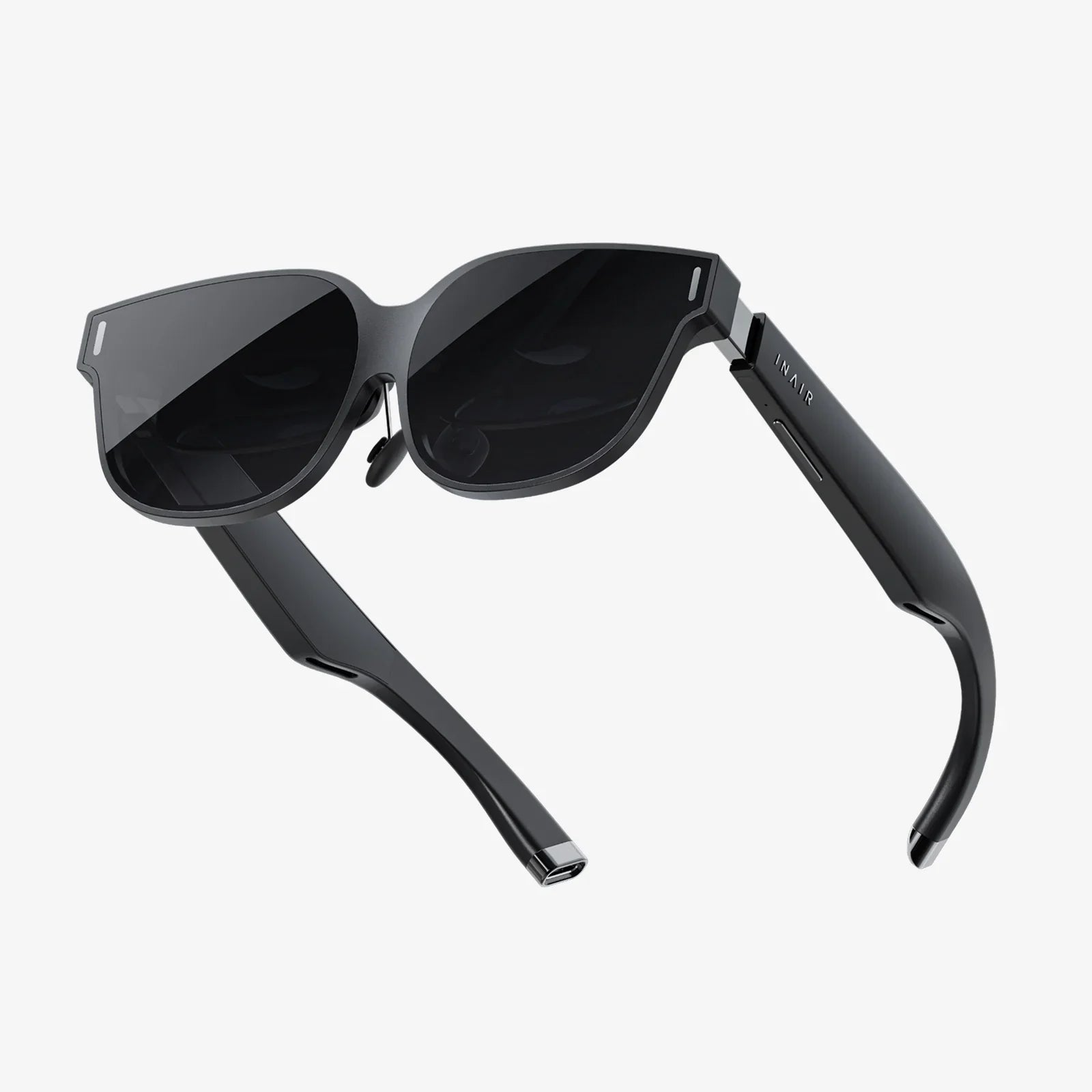
You settle in for an epic gaming session, cue up your favorite cinematic soundtrack, or dive into a three-hour webinar, ready to be immersed in sound. But within minutes, a familiar, nagging pain begins to bloom behind your ears and along your temples—a throbbing reminder that your glasses and your headphones are locked in a bitter battle for territory on your head. This relentless discomfort is a frustration known to millions, turning what should be a pleasure into a literal headache. But it doesn't have to be this way. The quest for good headphones for people with glasses is not a futile one; it’s a journey into understanding design, materials, and fit that can liberate you from audio agony forever.
The Anatomy of Discomfort: Why Your Headphones Hurt
To find the solution, we must first understand the problem. The conflict between headphones and eyewear is a simple matter of physics and pressure points. Most traditional headphones utilize a headband and ear cups to create a seal. This seal is crucial for sound quality, as it prevents audio leakage and allows bass frequencies to develop properly. The force required to create this seal is distributed by the headband and transferred to the sides of your head through the ear cups.
When you wear glasses, the arms (or temples) of your frames sit directly in the path of this pressure. The ear cups are designed to sit flush against the skull, but the glasses' arms act as a lever, preventing a proper seal and concentrating the headband's clamping force onto two incredibly sensitive areas: the temporal bone (at your temples) and the area behind the ear. This concentrated pressure pinches the skin, compresses underlying tissue, and can even press on key nerves, leading to:
- Localized Pain and Tenderness: The most immediate symptom, often felt as a sharp ache or a dull throb.
- Headaches: Prolonged pressure on the temporal region can trigger tension headaches.
- Fatigue: The constant discomfort can make long listening sessions unbearable.
- A Compromised Audio Experience: The broken seal causes sound, particularly bass, to leak out, drastically reducing audio fidelity and immersion. It also allows external noise to creep in, defeating the purpose of noise isolation.
This problem is exacerbated by certain types of frames. Thick, acetate arms or frames with pronounced hinges create a larger point of contact and thus more pressure. However, even the thinnest metal frames can cause significant discomfort with the wrong pair of headphones.
Key Design Features to Liberate Your Ears (and Your Frames)
Not all headphones are created equal, and manufacturers have developed several ingenious design solutions to address this specific issue. When searching for your perfect pair, prioritize these features.
1. Plush, Deep, and Swiveling Ear Cushions
This is arguably the most critical feature. The ear cushions (or ear pads) are the point of contact with your head and your glasses.
- Material: Look for memory foam or other high-density, slow-recovery foam. Unlike stiff foam, memory foam molds itself to the unique contours of your head, gently flowing around your glasses' arms instead of pressing against them. Velour and velour-hybrid fabrics are often softer and more forgiving than synthetic leather (pleather), which can create more friction.
- Depth: Deep ear cups are a game-changer. They provide ample space for the back of your ear and the arms of your glasses to sit without being crushed. This depth allows the driver to be positioned further from the ear, often increasing soundstage and comfort simultaneously.
- Swivel: Ear cups that can swivel and pivot adjust to the angle of your jaw and head, ensuring a more even distribution of pressure. This adaptability means the cup can form a better seal around the obstacle of your glasses arm.
2. Adjustable and Well-Calibrated Clamping Force
The headband's job is to keep the headphones secure, but it shouldn't feel like a vise.
- Clamping Force: This refers to the pressure exerted by the headband. Models designed for comfort, often labeled as such, typically have a lighter, more forgiving clamp. You should be able to nod your head without fear of them flying off, but they shouldn't leave a mark after an hour.
- Headband Design:
3. The Weight Factor
Lighter headphones inherently exert less downward and clamping force. While high-end models with metal components can be heavier, many modern designs use advanced polymers and materials to keep weight down without sacrificing build quality. Every gram saved is less pressure on your temples.
4. On-Ear vs. Over-Ear: The Clear Winner
While not an absolute rule, over-ear headphones (circumaural) are almost always a superior choice for glasses-wearers compared to on-ear (supra-aural) models.
- Over-Ear: The ear cups fully enclose the ear. As discussed, with deep, plush cushions, they can create a seal around the glasses arms, mitigating the pressure point.
- On-Ear: These pads rest directly on the outer ear, pinning the glasses arms tightly between a hard surface (your skull) and the pad. This almost universally creates a hotspot and is best avoided for long-term comfort.
Exploring Different Form Factors: Beyond the Traditional Headband
If the traditional over-ear design still doesn't work for you, or if you need a solution for active use, other form factors completely bypass the problem.
Open-Back Headphones
Open-back models have grilles on the outer ear cups that allow air and sound to pass through. This design drastically changes the pressure dynamic.
- Pros for Glasses Wearers: They require significantly less clamping force to achieve their sound signature because they are not trying to create an acoustic seal. The reduced clamp is a direct path to increased comfort.
- Cons: They leak sound in and out, making them unsuitable for noisy environments or offices where you don't want to disturb others. The bass response is often less impactful than on closed-back models.
In-Ear Monitors (IEMs) and Earbuds
This is the most obvious and effective way to eliminate the glasses conflict entirely.
- Pros: Zero pressure on the head or temples. They are lightweight, highly portable, and excellent for active use. The sound quality in this category has skyrocketed in recent years.
- Cons: Some people find them uncomfortable for extended periods or have difficulty getting a secure fit. They don't provide the same feeling of enveloping immersion that a great pair of over-ear cans can offer.
Bone Conduction Headphones
A niche but brilliant solution. These headphones sit just in front of your ears and transmit sound through your cheekbones to your inner ear, leaving your ear canals completely open.
- Pros: The ultimate comfort for glasses wearers; they don't interact with your frames at all. Perfect for runners and cyclists who need to maintain situational awareness.
- Cons: Audio quality, particularly bass response, is severely limited. They are not suitable for critical listening or immersive experiences.
Pro Tips and Adjustments for Maximum Comfort
Sometimes, the right pair of headphones just needs a little help. Here are some tricks to maximize comfort with your existing gear.
- The Break-In Period: Headbands and pads can loosen over time. If the clamp is slightly too tight, gently stretching the headband over a stack of books (slightly wider than your head) for a day or two can help. Never force it to the point of fearing a break.
- Strategic Positioning: Experiment with the placement of your glasses arms. Sometimes sliding them slightly up or down on your ear, so they sit in a different groove relative to the headphone pad, can make a world of difference.
- Aftermarket Pads: This is one of the best upgrades you can make. Many headphones have replaceable ear pads. Investing in a set of deeper, softer, memory foam pads can transform an uncomfortable pair into a cozy one. Ensure they are designed for your specific model to maintain sound quality.
- Take Breaks: Even with the perfect setup, it's healthy to give your head and ears a rest every hour or so.
The Perfect Synergy: Where Comfort Meets Performance
The ultimate goal is to find a pair of headphones where you forget you're wearing them—both your glasses and your headphones. You become unaware of the hardware and are simply lost in the music, the game, or the movie. This state of audio bliss is achievable. It requires prioritizing the marriage of ergonomic design and acoustic engineering. The best models for glasses-wearers understand that a proper seal is not achieved through brute force, but through intelligent design that accommodates the user's anatomy. When you find this synergy, the conflict disappears, and the pure, undistracted joy of sound takes over.
Imagine finishing that three-hour webinar, taking off your headphones, and feeling nothing but satisfaction from the content you absorbed. Envision the credits rolling on a film and your only thought being about the plot, not the relief of removing a source of pain. The technology and design innovations exist today to make this your reality. Your glasses are a part of you, and your audio gear should complement them, not combat them. Stop compromising on comfort or sound quality; a world of pain-free, immersive listening is waiting for you to hit play.
Share:
What Is The Best VR Headset on the Market - The Ultimate 2024 Buyer's Guide
Extended Reality in Marketing: The Ultimate Guide to Immersive Customer Engagement