


Imagine a world where your watch doesn't just tell time, but tells you about your health; where your ring is more than jewelry, it's a guardian of your wellbeing; and where your glasses are a window to a digital layer over reality. This isn't a glimpse into a distant sci-fi future—it's the reality being built today by great wearables. These devices are quietly orchestrating a revolution, not from our desks or pockets, but from our wrists, fingers, ears, and even woven into the fabrics we wear. They are shifting technology from something we interact with to something that understands and interacts with us, creating a seamless, intuitive, and profoundly personal digital experience that is fundamentally changing our relationship with technology and ourselves.
Beyond the Wrist: The Expanding Universe of Wearable Forms
The term 'wearable' once conjured an image of a chunky wrist computer with a monochrome display. Today, the ecosystem is a vibrant tapestry of form factors, each designed for a specific purpose, lifestyle, and level of discretion.
Wrist-Worn Powerhouses: The modern smartwatch remains the flagship of the category, but its capabilities have exploded. It's no longer just a fitness tracker with notification support. These devices are now comprehensive health hubs, capable of monitoring blood oxygen levels, taking electrocardiograms (ECG), tracking sleep stages with impressive accuracy, and even detecting potentially dangerous falls, automatically alerting emergency services if needed. They have become our most personal health dashboard, providing a continuous stream of data that was once only accessible in a clinical setting.
Discreet Health Guardians: For those seeking insights without a screen, a new class of wearables has emerged. Smart rings, sleek and minimalist, are packed with sensors to track sleep, recovery, and activity levels with minimal intrusion. They offer a 24/7 window into your body's rhythms without the bulk or light of a watch, making them ideal for continuous monitoring. Similarly, smart patches and biosensors are pushing the boundaries further, offering clinical-grade monitoring for specific conditions, adhering to the skin to collect data seamlessly over days or weeks.
Hearables: More Than Just Music: Earbuds have been transformed into intelligent hearables. Active Noise Cancellation (ANC) creates pockets of personal tranquility in noisy environments, while Transparency Mode allows the outside world to filter in safely. Advanced models now incorporate biometric sensors to track heart rate during workouts and can even enhance hearing, amplifying conversations in crowded rooms. They are becoming our auditory gateways to both digital information and the physical world around us.
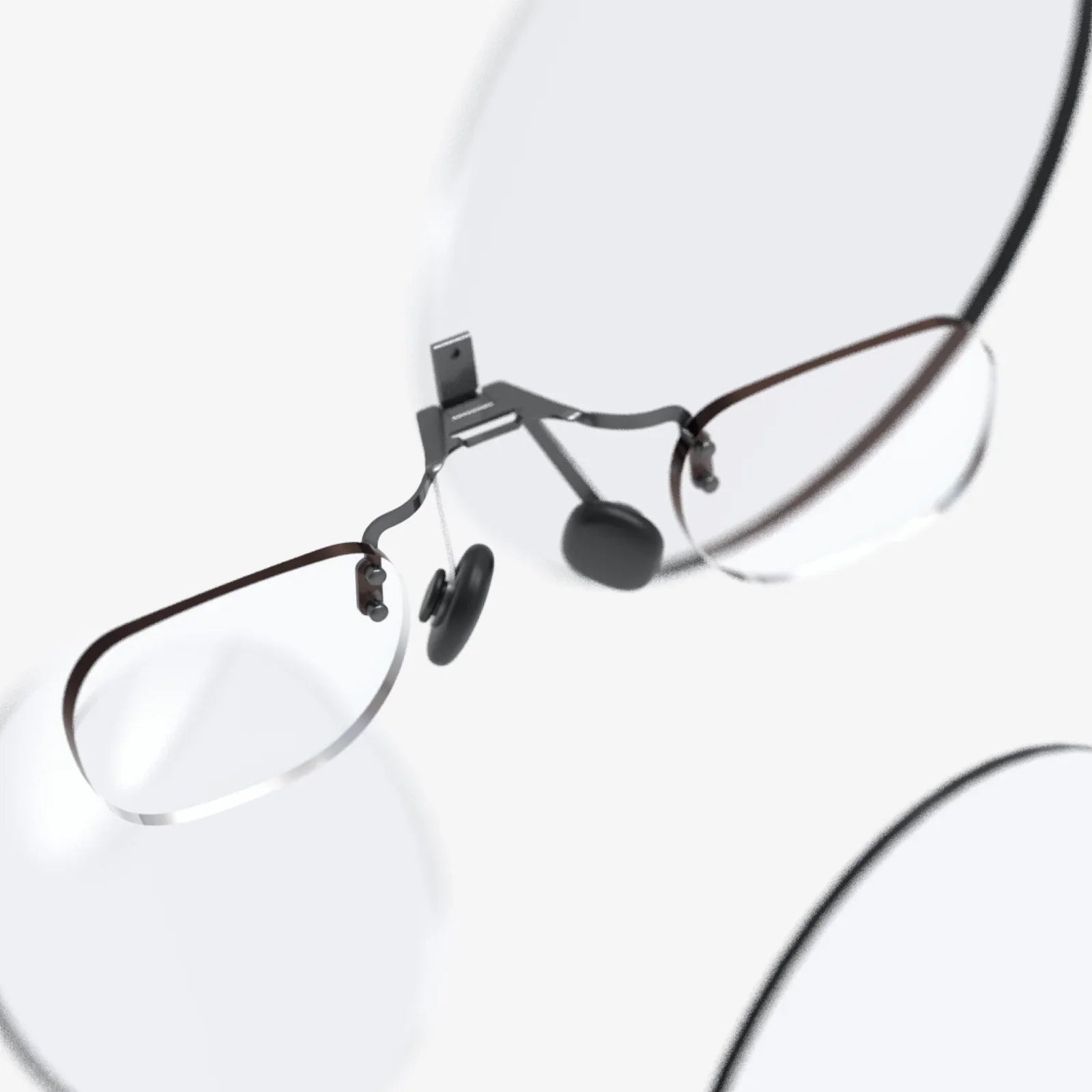
The Next Frontier: Smart Eyewear and E-Textiles: The future is looking even more integrated. Smart glasses are evolving beyond niche applications, aiming to overlay useful contextual information onto our vision through Augmented Reality (AR)—think navigation arrows painted onto the street or translated subtitles appearing under a foreign street sign. Even more seamless are the developments in E-Textiles, where conductive fibers are woven directly into clothing. This allows for shirts that monitor breathing and posture during a workout or socks that analyze a runner's gait, effectively making the technology disappear entirely into our everyday attire.
The Intelligence Within: Sensors, AI, and the Data-Driven Self
The magic of great wearables isn't in the plastic and metal; it's in the sophisticated technology within and the intelligent algorithms that make sense of it all.
The Sensor Suite: At the heart of every device is an array of miniaturized sensors. Optical heart rate sensors use green LED lights to measure blood flow changes under the skin. Accelerometers and gyroscopes track movement, orientation, and steps. Bioimpedance sensors send a tiny, imperceptible electrical current through the body to measure metrics like body composition. PPG sensors detect blood volume changes, and ECG sensors measure the heart's electrical activity. This suite of tools collectively paints a rich, multi-dimensional picture of the user's physiological state.
The Rise of the Algorithmic Mind: Raw sensor data is just noise without interpretation. This is where artificial intelligence and machine learning come in. Advanced algorithms are trained on massive datasets to identify patterns. They can distinguish between different sleep stages by correlating movement and heart rate variability. They can analyze heart rate data during a workout to provide a personalized recovery time. They can even detect subtle irregularities in heart rhythm that may suggest atrial fibrillation. The true intelligence of a wearable is its software—its ability to learn your personal baselines, provide context for the data, and turn numbers into actionable insights.
From Reactive to Proactive and Predictive:
The initial wave of wearables was largely reactive, presenting data after an activity was completed. The new generation is becoming proactive and even predictive. Instead of just telling you you had a poor night's sleep, a device might suggest winding down earlier or adjusting the temperature in your room. By analyzing long-term trends in heart rate variability and sleep quality, it might warn you of potential illness or overtraining before you even feel symptoms. This shift transforms the wearable from a simple recorder into a proactive health partner, offering guidance to help you maintain and improve your wellbeing. The influence of great wearables extends far beyond the individual consumer, catalyzing significant changes across entire sectors. A New Paradigm for Healthcare: Perhaps the most profound impact is in healthcare. Wearables enable remote patient monitoring (RPM), allowing doctors to track the vital signs of patients with chronic conditions like hypertension, diabetes, or heart disease from their homes. This leads to earlier intervention, better management, reduced hospital readmissions, and empowers patients to take a more active role in their own care. In clinical research, wearables provide a continuous, real-world data stream that is far more rich and objective than periodic check-ins, accelerating studies and leading to more robust findings. Revolutionizing Fitness and Wellness: The fitness industry has been completely upended. Wearables provide objective feedback on performance, helping athletes optimize their training, avoid injury, and track their progress with precision. For the everyday user, they provide motivation through gamification (closing activity "rings," earning badges) and social connection (sharing activities with friends). They have democratized access to personal coaching and data-driven wellness, making health goals more achievable and engaging for millions. Enhancing Workplace Safety and Productivity: In industrial and demanding physical environments, wearables are enhancing safety. Devices can monitor workers for signs of heat stress, fatigue, or falls in remote locations, triggering immediate alerts. In logistics and warehousing, smart glasses can provide hands-free picking instructions, improving accuracy and efficiency. On a broader level, data on employee wellness patterns can help organizations create healthier, more productive work environments. For all their promise, the rise of wearables is not without significant challenges that must be thoughtfully addressed. The Privacy Paradox: Wearables collect the most intimate data possible: our heartbeats, our location, our sleep patterns, and potentially our biometric identifiers. This creates a huge responsibility for companies to ensure robust security, transparent data policies, and user control. The risk of data breaches, or the use of this information for insurance or advertising purposes, raises serious ethical questions. The industry must prioritize privacy-by-design, ensuring that user trust is the foundation of this technological revolution. The Question of Medical Accuracy: While capabilities are impressive, most consumer wearables are classified as wellness devices, not medical-grade diagnostic tools. The accuracy of sensors can be affected by factors like skin tone, fit, and motion. Users must understand the limitations of this data and be cautioned against using it for self-diagnosis. The goal is informed awareness and motivation, not replacement for professional medical advice. The future likely lies in a hybrid model, where consumer devices screen for potential issues and seamlessly connect users with healthcare professionals for formal diagnosis. Avoiding Digital Overload and Anxiety: The constant stream of data can be a double-edged sword. For some, it leads to "analysis paralysis" or health anxiety, a condition sometimes called "orthosomnia"—an unhealthy obsession with perfect sleep data. The goal of technology should be to reduce stress, not create it. Great wearables will increasingly need to focus on smart notifications, digestible insights, and features that encourage users to disconnect and be present, ensuring they serve the human experience rather than dominate it. The trajectory points toward devices that are even more integrated, intelligent, and indispensable. We are moving toward a future of ambient computing, where technology recedes into the background of our lives. Wearables will act as the bridge to this world, sensing our needs and controlling our environments intuitively—adjusting the lighting based on our circadian rhythm, playing music that matches our current mood detected through biometrics, or ordering groceries when our smart refrigerator notes we're low on milk. The device itself will become less visible. Breakthroughs in energy harvesting—such as using kinetic energy, body heat, or even ambient light to power devices—could eventually lead to wearables that never need to be charged, removing a significant barrier to continuous use. Furthermore, the development of more advanced and smaller sensors will enable non-invasive monitoring of biomarkers like blood glucose, lactate, and cortisol, providing a previously unimaginable window into our metabolic and stress states. Ultimately, the goal is not to create more screens to stare at, but to create technology that understands context and intent. The great wearables of the future will be anticipatory, empathetic, and truly personalized, acting as silent partners dedicated to improving our health, enhancing our capabilities, and freeing us to focus on what makes us human: connection, creativity, and lived experience. The true measure of great wearables won't be found in their processing speed or megapixels, but in their profound invisibility. The goal is a seamless fusion of biology and technology, where the device fades away, leaving only the benefit—a whispered suggestion that leads to a healthier choice, an alert that prevents a medical crisis, or a moment of clarity found in a noisy world. This is the promise on the horizon: technology that doesn't demand our attention, but tirelessly earns our trust by working in the background to enrich our foreground, making every day not just more connected, but more meaningful.Transforming Industries: The Real-World Impact of Wearable Tech
Navigating the Challenges: Privacy, Accuracy, and the Human Connection
The Future on Your Skin: What's Next for Wearable Technology
Share:
AI Assistance: The Silent Partner Reshaping Our Digital Lives and Work
Best Wearable Devices in the Workplace: Boosting Productivity and Safety