


- by wangfred
Growing Wearables Space: From Fitness Bands to a Connected Future
- by wangfred
Imagine a world where your watch doesn't just tell time but tells you about your health; where your glasses don't just correct your vision but overlay digital information onto the physical world; where your clothing can monitor your posture and your ring can track your sleep. This is no longer the realm of science fiction. It is the vibrant, rapidly expanding reality of the growing wearables space, a technological revolution that is moving from our pockets directly onto our bodies, weaving computation and connectivity into the very fabric of our daily lives. This evolution promises to redefine our relationship with technology, making it more intimate, intuitive, and impactful than ever before.
The journey of the modern wearable began, for most consumers, on the wrist. The initial wave was dominated by basic fitness trackers, simple devices focused on a narrow set of metrics: steps taken, calories burned, and sleep duration logged. They were utilitarian, a digital pedometer with a screen. However, this was merely the seed from which a much larger ecosystem would grow. The growing wearables space quickly matured, with wrist-worn devices evolving into sophisticated smartwatches capable of displaying notifications, playing music, and even making contactless payments.
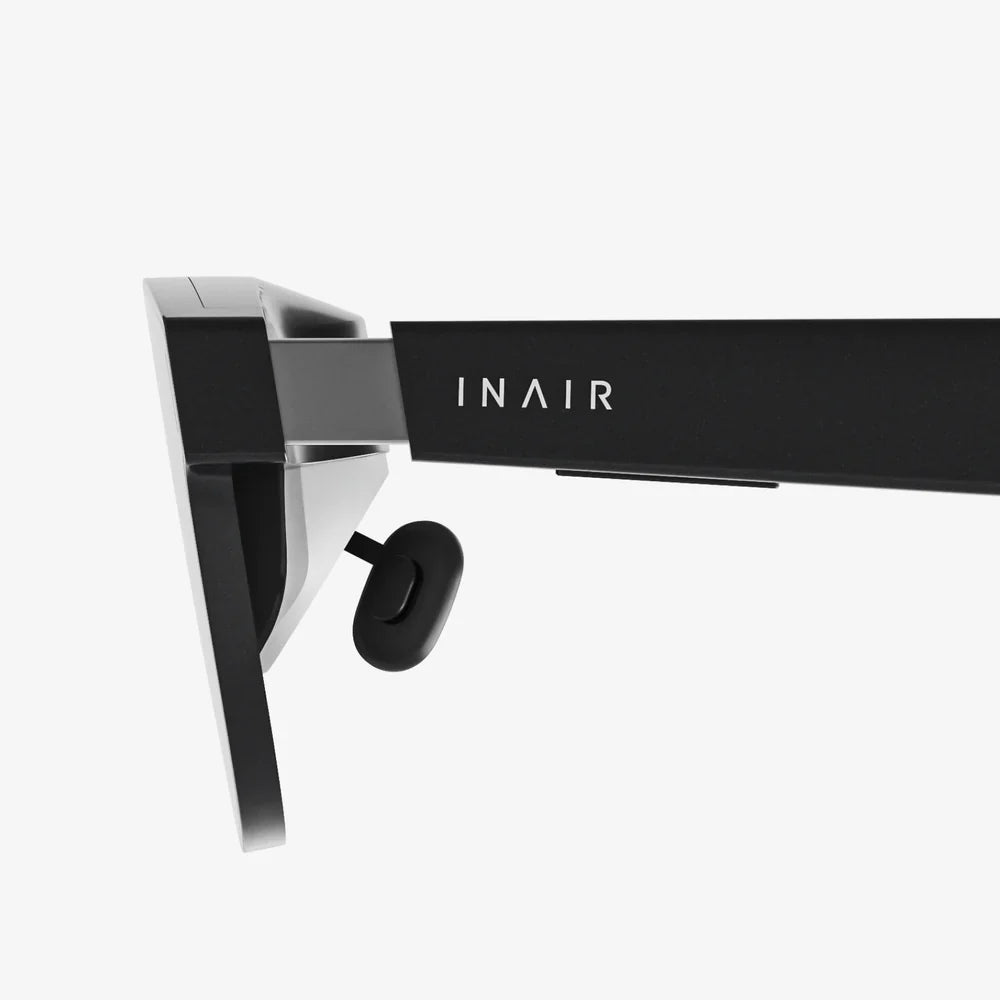
But the true sign of a maturing market is diversification. Today, the landscape extends far beyond the wrist. We are witnessing an explosion of form factors, each designed for a specific purpose and user experience:
This diversification is a direct response to a fundamental truth: there is no one-size-fits-all solution for the human body. The growing wearables space is maturing by offering a device for every need, preference, and context.
The explosive growth in this sector is not accidental. It is being propelled by a powerful convergence of technological, societal, and economic factors.
The miniaturization of components is the foundational enabler. Processors have become exponentially more powerful and energy-efficient, allowing for complex computations in a tiny form factor. Sensor technology has seen similar leaps; accelerometers, gyroscopes, optical heart rate monitors, electrodermal activity (EDA) sensors, and even blood oxygen saturation (SpO2) sensors are now commonplace. Furthermore, improvements in battery chemistry and power management have been critical, extending device usage from a single day to a week or more on a single charge.
The rollout of high-speed, low-latency cellular networks is liberating wearables from the smartphone. Devices with embedded SIM (eSIM) technology can stream music, receive calls, and transmit data independently, making them truly untethered companions for runs, swims, or days out. This constant, seamless connection is the backbone of the real-time data ecosystem that defines modern wearables.
A global focus on wellness and preventive healthcare has created a massive, receptive audience for wearables. Consumers are increasingly proactive about managing their health, and these devices provide unprecedented access to personal biometric data. They empower individuals to quantify their activity, understand their sleep patterns, and monitor key health metrics, fostering a more data-informed approach to personal well-being.
Raw sensor data is meaningless without interpretation. This is where AI and machine learning become the true brains of the operation. Sophisticated algorithms crunch vast datasets to provide personalized, actionable insights. They can detect subtle variations in heart rate that might indicate stress, analyze sleep stages to provide improvement recommendations, or even identify patterns that could predict the onset of illness. This transformation of data into wisdom is what gives modern wearables their value.
The implications of the growing wearables space extend far beyond the individual consumer, poised to disrupt and enhance numerous industries.
This is perhaps the most profound application. Wearables enable a shift from episodic, reactive care in hospitals to continuous, proactive management at home. Physicians can remotely monitor patients with chronic conditions like hypertension, cardiac arrhythmias, or diabetes, receiving alerts for concerning trends before they become emergencies. This not only improves patient outcomes and quality of life but also reduces the immense burden on healthcare systems by preventing hospital readmissions.
Companies are increasingly adopting wearables to promote employee well-being through structured wellness challenges. In high-risk industries like construction, mining, or manufacturing, wearables can enhance safety by monitoring workers' vital signs for heat stress or fatigue, detecting falls, and ensuring they are in safe zones. This application saves lives and reduces workplace accidents.
For professional and amateur athletes alike, wearables provide a microscopic view of performance. Metrics like vertical jump, ground contact time, lactate threshold, and real-time exertion levels allow for hyper-personalized training regimens, optimized recovery protocols, and a reduced risk of injury. Coaches can make data-driven decisions to elevate entire teams.
For an aging global population, wearables offer a powerful tool for maintaining independence while providing peace of mind to families. Fall detection and automatic alert systems can summon help immediately. Location tracking can assist those with dementia, and daily activity monitoring can provide remote caregivers with a window into their loved one's well-being.
For all its promise, the path forward for the growing wearables space is not without significant obstacles that must be thoughtfully addressed.
Wearables collect the most intimate data imaginable: a continuous, 24/7 log of your body, your location, your habits, and your health. This creates a treasure trove of personal information. Critical questions arise: Who owns this data? How is it being used? Is it being aggregated, anonymized, and sold to third parties for advertising or research? Without transparent policies, robust consent mechanisms, and strong regulatory frameworks like GDPR and HIPAA, the potential for misuse is enormous. Users must be empowered with control over their most personal information.
A device that sits on your skin and connects to the internet is a potential entry point for malicious actors. A security breach could lead to the theft of highly sensitive health data or, in a worst-case scenario, allow bad actors to manipulate device functionality with real-world physical consequences. Ensuring end-to-end encryption and implementing rigorous security protocols is not optional; it is a fundamental requirement for consumer trust.
While sensor technology has improved, most consumer wearables are not classified as medical devices. Their data, while insightful for general wellness, may not be clinically accurate enough for diagnostic purposes. The industry is navigating the complex process of obtaining approvals from bodies like the FDA, which would legitimize their use in formal healthcare settings but also subject them to much stricter scrutiny.
The constant quantification of life can lead to anxiety, obsession, and a phenomenon known as "analysis paralysis." The pressure to close activity rings or achieve a perfect sleep score can ironically become a source of stress, undermining the very wellness goals these devices promote. The next frontier of design will be creating experiences that provide insights without creating dependency, encouraging healthy habits without adding digital fatigue.
The future of wearables is moving towards even greater integration, intelligence, and invisibility. We are progressing from devices we wear to technology that is worn, and eventually, to technology that is biologically integrated.
Non-invasive health monitoring will be a major focus. Research is ongoing into sensors that can continuously and accurately measure glucose levels without breaking the skin, monitor blood pressure, and detect early biomarkers for diseases through sweat or other bodily fluids. The goal is a complete, digital health avatar that provides a holistic view of an individual's well-being.
Furthermore, the concept of the human body as a network interface is gaining traction. Brain-computer interfaces (BCIs), though in early stages, aim to allow users to control devices with their thoughts, offering new possibilities for individuals with disabilities and fundamentally changing how we interact with technology. Similarly, haptic feedback technology will evolve to provide more nuanced physical sensations, creating a richer, more immersive experience in AR and virtual environments.
Finally, the true power will be unlocked not by individual devices, but by the ecosystem they create. Your smart ring will talk to your car to ensure you are alert enough to drive. Your smart glasses will communicate with your hearables to translate a foreign street sign and read it to you. Your clothing will adjust the temperature in your home based on your body's thermal state. This seamless, ambient intelligence, where technology anticipates needs and orchestrates the world around you, is the ultimate destination.
The line between human and machine is softening, not with the dramatic whir of robotics, but with the quiet hum of a sensor-laden ring, the gentle glow of smart glasses, and the seamless weave of intelligent fabric. The growing wearables space is building a bridge to a future where technology is not a tool we use, but an intimate layer of our existence, offering unparalleled insights into our health, enhancing our capabilities, and connecting us to our world in ways we are only beginning to imagine. The question is no longer if you will adopt this technology, but which form it will take and how deeply you will allow it to integrate into your life—the next chapter of human evolution is being written on our wrists, in our ears, and woven into our very clothing, and it’s a story you’ll want to be a part of.
Share:
VR and AR in Meetings and Events: The Immersive Future of Connection
AI Powered App: The Invisible Engine Reshaping Our Daily Digital Experience