


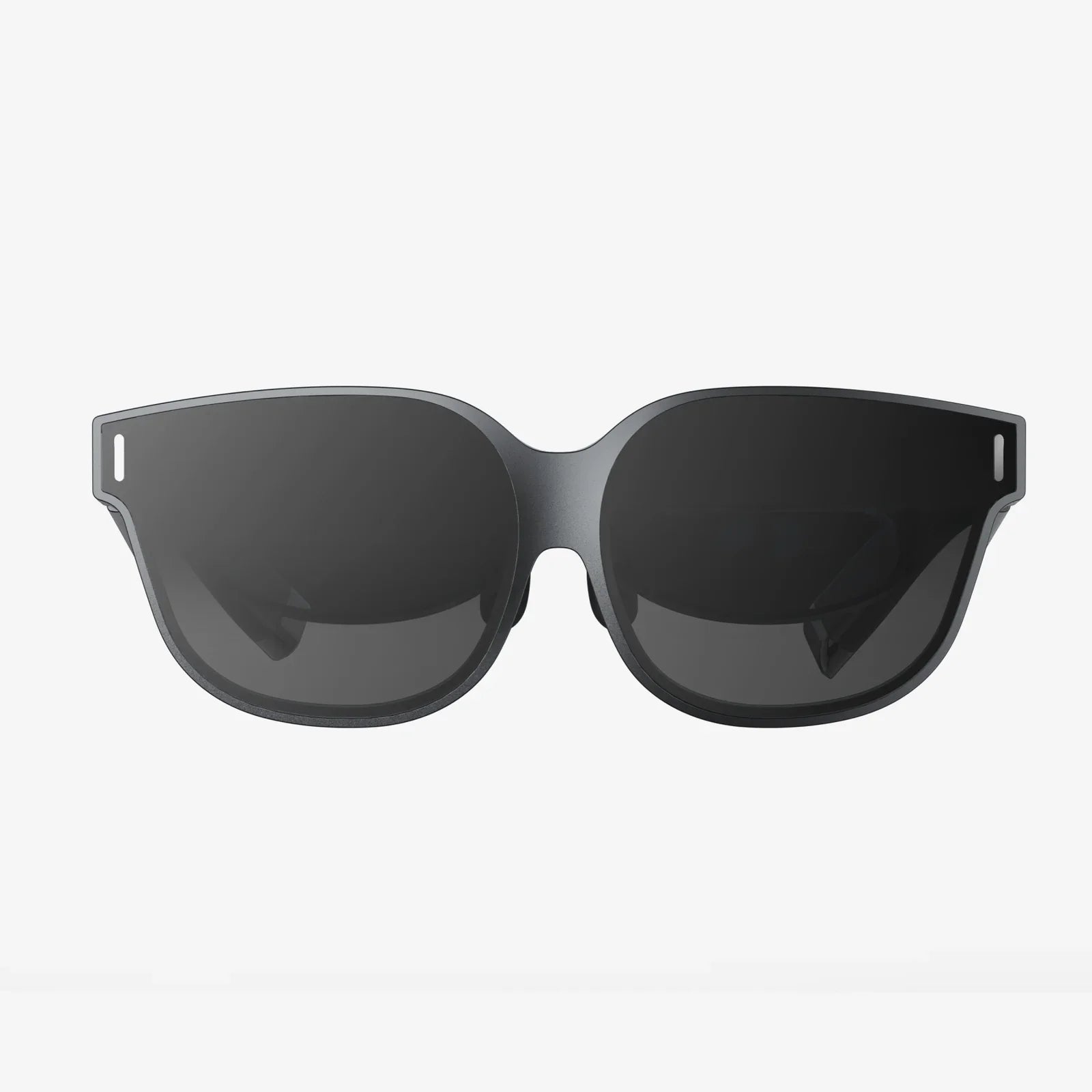
Imagine a device, no larger than the palm of your hand, that contains the computational power which once required a room-sized machine, a portal to the sum of human knowledge, a studio for creative expression, and a command center for your digital life—all accessible from your pocket, anywhere on Earth. This is not a glimpse into a distant sci-fi future; this is the reality of the modern handheld mini computer, a technological marvel that is quietly dismantling our traditional notions of computing and reshaping how we interact with the digital world.
The Genesis of Pocket Power: A Brief Historical Context
The dream of portable, personal computing is not new. For decades, visionaries and engineers have pursued the goal of miniaturizing technology, pushing the boundaries of physics and design to make computers more accessible and personal. The journey began with early calculators and evolved through the pioneering personal digital assistants of the 1990s, which offered a tantalizing glimpse of a connected, organized life in your pocket. These devices, while revolutionary for their time, were ultimately limited by clunky interfaces, sluggish processors, and nascent connectivity. They were digital notebooks, not true computers. The seismic shift arrived with the convergence of several key technologies: the proliferation of high-speed mobile internet, the development of incredibly efficient and powerful low-energy processors, and the advent of vibrant, high-resolution touchscreens. This trifecta provided the essential ingredients for the handheld mini computer to emerge not as a novelty, but as a legitimate and potent computing platform, capable of tasks that were once the exclusive domain of desktops and laptops.
Beyond the Screen: Deconstructing the Anatomy of a Modern Pocket Workstation
To understand the capabilities of these devices, one must look beyond their sleek exteriors. Inside these compact form factors lies an engineering masterpiece of integration and efficiency.
The Silicon Heart: Processing Power Reimagined
At the core of every handheld mini computer is a System-on-a-Chip (SoC). This is a radical departure from traditional computer architecture. Instead of separate central processing units, graphics processing units, and memory modules scattered across a motherboard, an SoC integrates all these critical components—and often the modem, neural processor, and other controllers—onto a single, tiny sliver of silicon. This integration is the secret to its power efficiency, allowing for breathtaking performance while sipping battery power. These processors are not merely adequate; they are genuinely powerful, capable of handling complex multitasking, high-end mobile gaming, and even demanding creative tasks like video editing and 3D modeling.
The Window to the Digital Soul: Display and Interaction
The screen is the primary interface, and it has evolved into a stunning visual canvas. Modern handhelds boast OLED or high-refresh-rate LCD displays that offer incredible color accuracy, deep blacks, and buttery-smooth scrolling. They are not just output devices; they are sophisticated input systems. Multi-touch capacitive touchscreens recognize intricate gestures, while advanced haptic engines provide tactile feedback that makes digital interactions feel physical and responsive. Many devices supplement this with a suite of sensors: gyroscopes, accelerometers, magnetometers, and ambient light sensors, making the device acutely aware of its environment and orientation.
Staying Connected: The Unseen Lifeline
Connectivity is the lifeblood of the handheld mini computer. Integrated 5G and Wi-Fi 6/6E modems provide gigabit-speed internet access, enabling seamless cloud computing, instant video calls, and real-time collaboration. Bluetooth allows for a ecosystem of peripherals like keyboards, controllers, and headphones, while technologies like NFC facilitate contactless payments and quick pairing. This always-on, always-connected reality is what transforms the device from a simple computer into a node in a vast global network.
A Universe in Your Palm: The Expansive Ecosystem of Use Cases
The true measure of this technology's impact is found not in its specifications, but in its application. The handheld mini computer has fragmented the traditional PC market by excelling in scenarios where bulkier devices fail.
Productivity Unchained: The Mobile Office
The era of being tethered to a desk is over. With powerful office suites, cloud storage, and video conferencing apps, these devices enable genuine productivity from anywhere. Paired with a portable folding keyboard, a user can draft reports on a train, edit spreadsheets in a coffee shop, or lead a team meeting from a park. The instant-on nature and long battery life mean there is no boot-up delay or frantic search for a power outlet. For many, a handheld mini computer, perhaps connected to a larger monitor at a docking station, has completely replaced a traditional laptop for day-to-day tasks.
The Creative's Sketchbook: A Portal for Imagination
Artists, musicians, and designers have embraced these devices as digital sketchbooks and portable studios. With a stylus, the screen becomes a digital canvas for drawing and photo editing with stunning precision. Music production apps allow composers to arrange complex tracks, while videographers can shoot, edit, and color-grade 4K video entirely on the device. This democratizes creation, putting professional-grade tools into the hands of anyone with a vision, regardless of their location or budget.
Entertainment, Redefined: A Theater and Arcade
For entertainment, the handheld mini computer is unparalleled. It is a high-definition video player for streaming services, a potent gaming device capable of rendering console-quality graphics, and an immersive e-book reader. The combination of a high-quality screen, powerful speakers, and haptic feedback creates an engaging experience that consumes your attention, making long journeys or waiting times disappear.
Navigating the Compact Frontier: Challenges and Considerations
Despite their incredible advances, these devices are not without compromise. The pursuit of miniaturization presents inherent challenges. The primary trade-off is input. While touchscreens and voice assistants are versatile, they cannot match the speed and precision of a physical keyboard and mouse for prolonged, intensive work. Battery technology, while impressive, still limits sustained peak performance, and the constant demand for connectivity drains power quickly. Furthermore, the repair and upgradeability of these ultra-compact devices are often difficult, leading to concerns about longevity and electronic waste. Users must also be mindful of the psychological impact of having a powerful computer constantly vying for their attention, potentially leading to digital fatigue.
The Horizon of Possibility: What the Future Holds
The evolution of the handheld mini computer is far from complete. We are standing on the precipice of even more transformative changes. The integration of artificial intelligence and machine learning directly into the SoC will enable more context-aware and predictive experiences, with the device anticipating your needs before you even articulate them. The development of flexible and rollable displays could lead to new form factors that expand screen size without sacrificing portability. Perhaps most significantly, the lines between these devices and other computing platforms will continue to blur. We are moving towards a future of ubiquitous computing, where your personal computing environment is not a single device but a seamless experience that flows between your handheld, your wearables, your smart displays, and your car, with the handheld mini computer acting as the central, intelligent hub that orchestrates it all.
The handheld mini computer has irrevocably shifted the center of gravity in the tech world, proving that profound capability no longer demands a large physical presence. It has empowered individuals with unprecedented freedom, creativity, and access to information, effectively placing a universe of potential right in our pockets. This is more than just a trend; it is the new, enduring heartbeat of personal technology, and its pulse is only growing stronger.
Share:
How Is Artificial Intelligence Used Today: The Invisible Force Reshaping Our World
Virtual Reality Simulation Meaning: Beyond the Headset into New Realities