


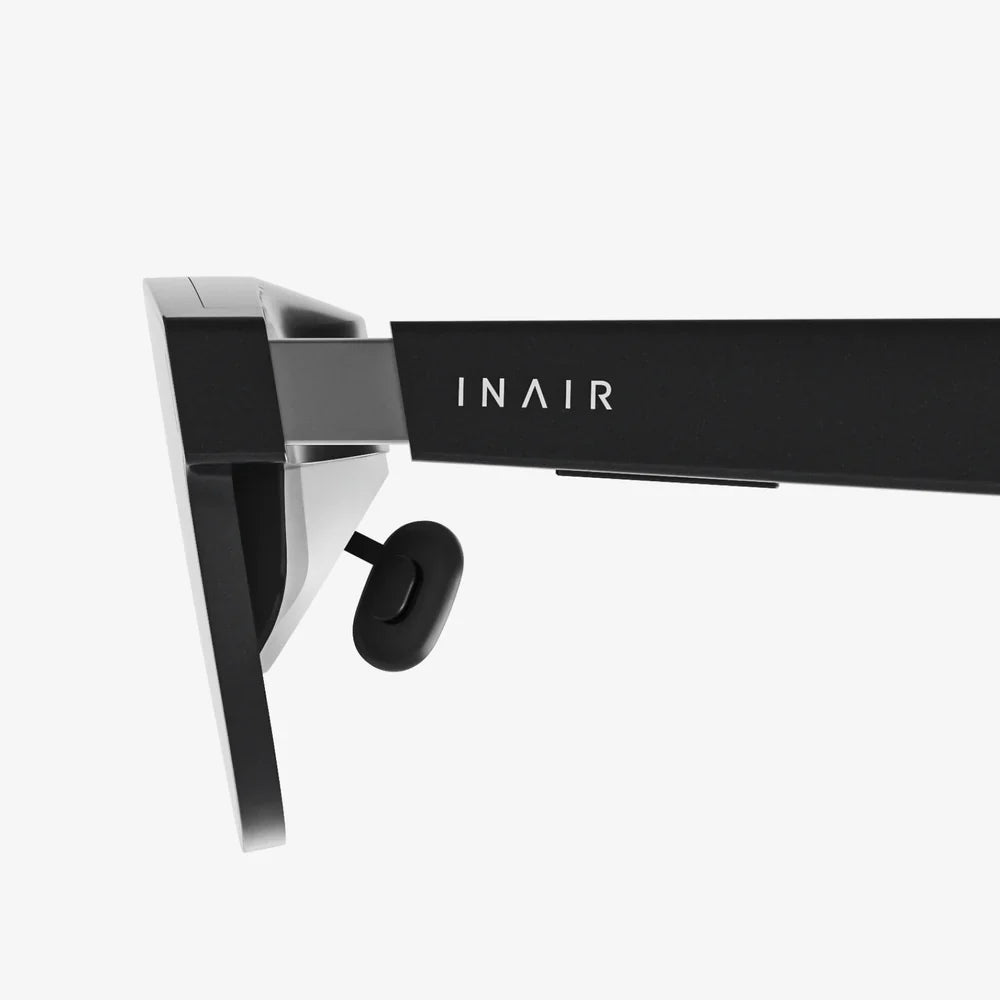
Imagine a world where your environment anticipates your needs, where your commands are executed without a touch, and where technology seamlessly integrates into the fabric of your life, liberating you from the constant grip of a screen. This is no longer the realm of science fiction; it is the present reality being built by the rapid evolution of hands-free products. From the moment we wake to the time we rest, a quiet revolution is underway, fundamentally altering our relationship with technology and granting us a new level of autonomy and efficiency.
The Core Technologies Powering the Hands-Free Revolution
The shift towards a touchless interface is not powered by a single invention but by a convergence of several advanced technologies. Understanding these core components is key to appreciating the sophistication of modern hands-free systems.
Voice Recognition and Natural Language Processing (NLP): This is the most recognizable facet of hands-free control. Early systems required rigid, predefined commands. Today, advanced NLP allows devices to understand context, nuance, and natural speech patterns. They can distinguish between a command and casual conversation, process complex requests, and learn from interactions to improve accuracy over time. This transforms a simple speaker into an intelligent assistant capable of managing a vast array of tasks.
Computer Vision and Gesture Control: Beyond voice, the ability to see and interpret human movement is a game-changer. Using cameras and depth sensors, systems can track hand gestures, body movements, and even eye gaze. This allows for control in environments where voice is impractical, such as a noisy factory floor or a quiet library. A simple wave could dismiss a notification, while a pinching gesture might adjust volume, creating a truly immersive and intuitive control scheme.
Artificial Intelligence and Machine Learning: AI is the brain that orchestrates the entire hands-free experience. It is the technology that predicts your needs, learns your routines, and automates processes without explicit instruction. Machine learning algorithms analyze vast datasets of user behavior to anticipate actions, such as activating lights upon detecting your movement in a room or suggesting a shopping list based on past purchases. This predictive capability is what elevates hands-free from simple command execution to true proactive assistance.
Internet of Things (IoT) Connectivity: A single, isolated hands-free device has limited utility. Its true power is unleashed when it acts as a central hub for a network of interconnected smart devices. Through IoT protocols, a voice command or automated routine can coordinate actions across dozens of products—thermostats, lights, appliances, security cameras—creating a synchronized and responsive environment.
Transforming the Modern Home into a Responsive Sanctuary
The domestic sphere has been the primary beneficiary of hands-free innovation, evolving into what is now commonly called the smart home. This transformation touches nearly every aspect of daily living.
Kitchen and Culinary Tasks: The kitchen, often a place of frantic multi-tasking, is made infinitely more efficient. Imagine following a recipe with a virtual assistant guiding each step, setting timers, converting measurements, and playing music, all without touching a device with flour-covered hands. Smart ovens can be preheated remotely, and coffee makers can be triggered to start brewing with a simple morning greeting. This not only saves time but also enhances safety by reducing the need to interact with screens while handling sharp utensils or hot surfaces.
Home Entertainment and Ambient Control: The quest for the remote control is becoming a relic of the past. Entire entertainment systems respond to voice commands to play music, search for films, adjust volume, or control lighting to set the perfect movie-watching ambiance. This creates a more fluid and immersive experience, allowing households to focus on enjoyment rather than device management.
Home Security and Maintenance: Security systems equipped with voice and motion activation allow for arming and disarming alarms without fumbling for a keypad. Video doorbells enable homeowners to see and speak to visitors from anywhere, hands-free. Automated sensors can detect water leaks or smoke and trigger alerts and countermeasures without any human intervention, providing peace of mind and potentially preventing disaster.
Accessibility and Inclusive Living:
Perhaps the most profound impact of hands-free technology is in the realm of accessibility. For individuals with mobility challenges, dexterity limitations, or visual impairments, these products are not merely convenient; they are life-changing tools that foster independence. Voice-activated systems allow users to control their entire environment—lights, temperature, doors, and communications—from a wheelchair or bed. For those who cannot easily manipulate small buttons or touchscreens, gesture control and voice commands provide a viable alternative. Smart home automation can be programmed to perform routine tasks, reducing reliance on caregivers and empowering individuals to live more autonomously. This application underscores the technology's potential to build a more inclusive world where barriers are systematically dismantled. Beyond the home, hands-free technology is driving significant advancements in professional settings, from corporate offices to industrial warehouses. Office Efficiency: In modern offices, voice-to-text software allows for the hands-free drafting of emails, reports, and memos. Virtual assistants can manage calendars, schedule meetings, and transcribe discussions in real-time, freeing up employees for more strategic, creative work. This reduces the physical strain associated with prolonged typing and mouse use, potentially alleviating issues like repetitive strain injury. Logistics, Warehousing, and Field Services: In environments where workers' hands are constantly occupied, voice-directed warehousing systems have revolutionized logistics. Employees fulfilling orders can receive instructions through a headset, confirm tasks verbally, and navigate aisles without ever looking down at a scanner or clipboard. This dramatically increases picking accuracy and speed while keeping eyes and hands focused on the task. Similarly, field technicians working on complex equipment can access manuals, schematics, and relay information back to a central office using voice commands, keeping their tools in hand and their attention on the job. Enhanced Safety Protocols: In high-risk industries like manufacturing, construction, and healthcare, hands-free technology is a critical safety tool. Workers can access information, communicate with teams, and control machinery without compromising their focus or safety gear. In sterile environments like laboratories or operating rooms, touchless interfaces prevent contamination, allowing for the control of equipment and access to data without breaking protocol. Despite the clear benefits, the adoption of hands-free technology is not without its valid concerns. A critical and thoughtful approach is necessary to navigate this new landscape. Data Privacy and Constant Listening: Devices that are always listening to trigger on a "wake word" inherently raise questions about privacy. What data is being collected? How is it stored? Who has access to it? There is a legitimate fear of constant surveillance and the potential for recorded snippets of private conversations to be misused. Manufacturers must prioritize transparent data policies, robust encryption, and features that provide users with clear physical and software-based controls to disable microphones and cameras. Cybersecurity Vulnerabilities: As with any internet-connected device, hands-free products are potential vectors for cyberattacks. A compromised device could give attackers a foothold in a home network, access to personal data, or even control over physical entry points like smart locks. Ensuring strong, unique passwords, regular firmware updates, and secure network configurations is paramount for users. The Risk of Technological Over-Reliance and Social Isolation: As we delegate more tasks to automation, there is a concern about the erosion of basic skills and critical thinking. Furthermore, the constant presence of technology in interpersonal spaces can impact the quality of human interaction, potentially leading to a more isolated experience if not managed consciously. It is crucial to view these tools as assistants that enhance human capability, not replace human connection and engagement. The trajectory of hands-free technology points toward even deeper integration and intelligence. We are moving towards systems that leverage predictive analytics and ambient computing, where technology recedes into the background, and interfaces become invisible. Future developments may include more advanced biometrics, like voice identification for personalized experiences, and brain-computer interfaces that could control devices through thought for the ultimate hands-free experience. The next wave of innovation will likely focus on creating a more seamless, context-aware, and emotionally intelligent ecosystem. Devices will not just execute commands but understand intent and emotional state, offering support and suggestions that are genuinely helpful. The goal is to create technology that serves us so intuitively that we forget it's even there, allowing us to focus more on living our lives and less on managing our devices. The age of fumbling for phones, remotes, and switches is rapidly closing. Hands-free products are weaving a new layer of intelligence into our daily existence, offering a powerful combination of convenience, accessibility, and efficiency that was unimaginable just a decade ago. While mindful of the challenges, the promise of this technology is a world that is more responsive to our needs, more inclusive in its design, and more empowering in its function. The future is not just touchscreen; it is touchless, and it’s waiting for you to simply say the word.Boosting Productivity and Safety in the Workplace
Navigating the Challenges: Privacy, Security, and Over-Reliance
The Future is Unspoken: What Lies Ahead for Hands-Free Tech
Share:
Full Immersion VR: Stepping Through the Portal to New Realities
3D Visuals Video: The Complete Guide to the Future of Digital Storytelling