


Imagine a world where your computer anticipates your needs, your car understands your frustration in traffic, and your home environment adjusts to your mood without a single spoken command. This isn't science fiction; it's the ambitious and unfolding frontier of Human-Computer Interaction (HCI) computing, the silent, indispensable force shaping every digital moment of our lives. It’s the art and science of building the invisible bridge between human intention and machine execution, and its evolution is the most critical story in modern technology. From the cryptic flicker of a command-line prompt to the intuitive swipe of a touchscreen, the journey of HCI is the story of technology learning to speak our language, and it’s a narrative that is far from over.
The Genesis of a Dialogue: From Punch Cards to Direct Manipulation
The story of HCI computing begins not with ease, but with immense difficulty. The earliest computers were room-sized behemoths that required teams of specialists to operate. Interaction was a one-way street, conducted through the laborious language of punch cards and paper tape. The user had to contort their thinking to fit the machine's rigid, unforgiving logic. This era was defined by batch processing, where users submitted a job and waited hours or days for a result, with no opportunity for correction or real-time feedback. The "interface" was an abstraction, a barrier that only the most highly trained could cross.
The first true revolution arrived with the advent of the command-line interface (CLI). Pioneered in systems like the Unix shell, the CLI introduced a form of dialogue. Users could now issue text-based commands and receive immediate responses. It was a monumental leap, empowering users with a sense of direct control and flexibility. However, it remained an exclusive club. Mastering the CLI required memorizing a vast lexicon of cryptic commands and complex syntax, placing the cognitive load almost entirely on the human. The machine remained an aloof entity, demanding precise incantations to perform its duties.
The paradigm shift that truly birthed modern HCI was the development of the graphical user interface (GUI). Inspired by visionary research at institutions like Xerox PARC and popularized by a series of revolutionary products, the GUI introduced the metaphors we now take for granted: the desktop, folders, documents, and trash cans. This was the era of direct manipulation, where users could point, click, drag, and drop digital objects as if they were physical. The key principle was WYSIWYG (What You See Is What You Get), making computing actions and their consequences visible, understandable, and reversible.
The GUI didn't just make computers easier to use; it made them accessible to the masses. It democratized computing power, moving it out of specialized labs and into offices, schools, and homes. This transition cemented HCI as a discipline essential to technological progress, proving that a system's success was no longer just about processing power, but about its usability and learnability.
The Pillars of Powerful Interaction: Core Principles of HCI
Beneath the surface of every intuitive app and responsive website lies a foundation of rigorous HCI principles. These are not mere guidelines but the fundamental laws that govern effective human-machine dialogue.
1. Usability: The Foundation of Function
Usability is the cornerstone of HCI. It breaks down into five key components:
- Learnability: How easy is it for a new user to accomplish basic tasks the first time they encounter the design?
- Efficiency: Once learned, how quickly can users perform tasks?
- Memorability: When users return after a period of not using it, how easily can they re-establish proficiency?
- Errors: How many errors do users make, how severe are these errors, and how easily can they recover from them?
- Satisfaction: How pleasant is it to use the design?
A system that scores highly on these metrics doesn't happen by accident. It is the result of meticulous user-centered design processes, including user research, prototyping, and iterative testing.
2. Accessibility: Computing for Everyone
True HCI recognizes the vast spectrum of human capability. Accessibility ensures that interactive systems are designed for people with a wide range of abilities, including those with visual, auditory, motor, or cognitive disabilities. This goes beyond compliance; it's a moral and practical imperative. Features like screen readers, voice control, alternative input devices, and customizable contrast settings are not niche additions but essential components of a truly universal design. HCI computing argues that technology must adapt to the user, not the other way around.
3. Visibility and Feedback: The Conversation Loop
A fundamental rule of HCI is to keep the user informed. The system's status and possible actions should be clearly visible. Furthermore, every user action must be met with immediate and clear feedback. A button should visually depress when clicked; a file should show a progress bar when moving; a tone should confirm a payment. This feedback loop closes the conversation, confirming to the user that their command was received and is being acted upon. A lack of feedback creates anxiety and uncertainty, breaking the user's sense of control and immersion.
4. Affordances and Signifiers: Hinting at Action
An affordance is a property of an object that indicates how it can be used. A button affords pushing; a scroll bar affords dragging. A signifier is a marker that communicates the affordance to the user. The beveled edge of a button is a signifier that it can be pressed. Good HCI design aligns affordances and signifiers perfectly. A modern touchscreen lacks physical buttons, so it uses visual signifiers like icons and shadows to signify digital affordances, teaching users how to interact through consistent design language.
The Modern Epoch: Beyond the Screen to Ubiquitous Computing
While the GUI remains dominant, HCI computing has exploded far beyond the desktop. We are now living in the era that pioneer Mark Weiser termed "ubiquitous computing" (ubicomp), where technology weaves itself into the fabric of everyday life until it becomes indistinguishable from it.
The Rise of Natural User Interfaces (NUIs)
NUIs aim to make interaction feel natural and instinctive, leveraging skills we already possess. This includes:
- Multi-touch: Using gestures like pinching and swiping to manipulate content directly.
- Voice User Interfaces (VUIs): Interacting with systems through speech, as with smart speakers and assistants.
- Gesture Control: Using cameras to interpret body movements, as seen in gaming systems.
- Tangible UIs: Interacting with digital information through physical objects.
These interfaces lower the barrier to entry even further, making technology accessible to the very young and the old, and creating more immersive and engaging experiences.
Wearables and the Embodied Interaction
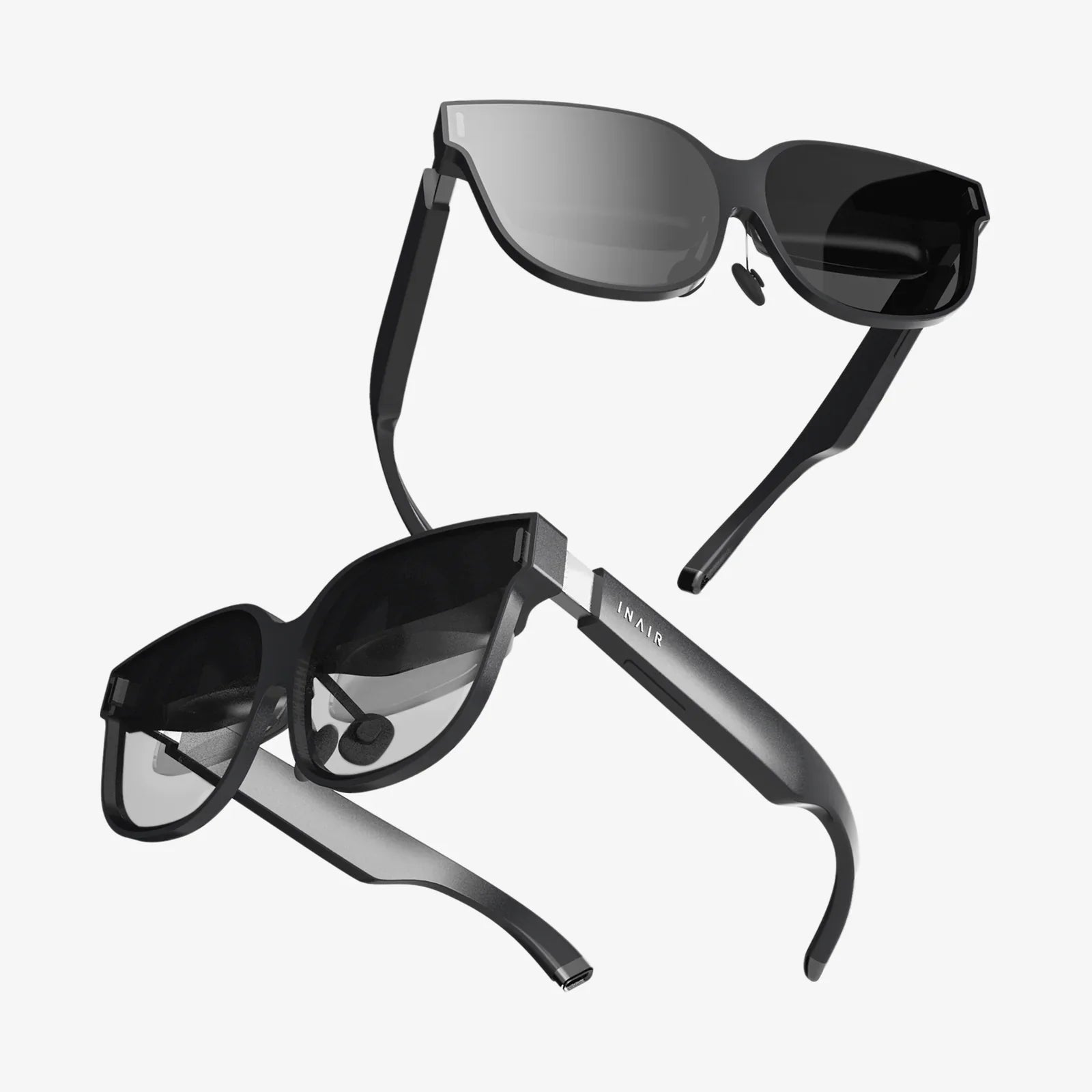
HCI has moved off our desks and onto our bodies. Smartwatches, fitness trackers, and augmented reality (AR) glasses represent a new paradigm. Interaction is constant, subtle, and context-aware. These devices leverage sensors to collect data about our bodies and environment, creating interfaces that are proactive rather than reactive. A watch that suggests standing up or a tracker that monitors sleep patterns represents HCI that is deeply personal and integrated with our physical being.
The Data-Driven Design: Analytics and A/B Testing
Modern HCI is increasingly powered by data. Through techniques like A/B testing, where two versions of a design are tested against each other with real users, and extensive user analytics, designers can move beyond intuition and make informed decisions. This data-driven approach allows for continuous, incremental improvement of user experiences on a massive scale, optimizing flows to reduce friction and increase engagement based on actual user behavior.
The Cutting Edge: Where HCI Computing is Heading Next
The frontier of HCI is more exciting and ethically complex than ever before. Researchers and designers are pushing into new realms that will redefine our relationship with technology.
Brain-Computer Interfaces (BCIs) and Adaptive Interfaces
The ultimate NUI is thought itself. BCIs aim to create a direct communication pathway between the brain and an external device. While still in early stages for consumer applications, the potential is staggering: restoring mobility and communication for those with disabilities, or controlling systems with pure intention. Closer to reality are adaptive interfaces that use biometric data (heart rate, facial expression, eye tracking) to infer user emotion and cognitive load, adjusting their behavior in real-time to reduce stress or offer assistance when frustration is detected.
Augmented and Virtual Reality: The Ultimate Immersion
AR and VR represent the next logical step in the GUI's quest for direct manipulation. Instead of manipulating representations on a screen, users can manipulate digital objects in physical space or be fully immersed in virtual worlds. The HCI challenges here are immense, spanning the design of 3D menus, navigation through virtual spaces, and managing user comfort to avoid issues like simulator sickness. Solving these challenges is key to making the metaverse a usable and productive reality.
The Ethical Imperative: Dark Patterns, Privacy, and Bias
As HCI grows more powerful, so does its potential for harm. The field now grapples with profound ethical questions. How do we combat dark patterns—deceptive UI choices that trick users into doing things they don't intend to, like signing up for subscriptions? How do we design for privacy and transparency, ensuring users understand how their data is being used? Most critically, how do we eliminate the unconscious bias that can be baked into algorithms and datasets, ensuring that AI-powered interfaces are fair and equitable for all users, regardless of background? The future of HCI computing must be not only more intelligent but also more just and humane.
We are standing at the precipice of a new era in computing, one where the boundary between our physical and digital selves will blur into irrelevance. The devices of tomorrow will not be tools we use, but intelligent partners that understand our context, anticipate our needs, and respond to our emotions. They will be woven into our clothing, our environments, and perhaps even our biology. The success of this incredible future hinges entirely on the principles of HCI computing. It will be the relentless focus on the human—our capabilities, our limitations, and our values—that will ensure these powerful technologies enhance our lives, rather than complicate them. The next chapter of the digital revolution won't be written in code alone, but in the delicate, profound, and endlessly fascinating language of human interaction.
Share:
Virtual Goggles Gifts for Him: The Ultimate Portal to New Realities
Virtual Game Device: The Unseen Engine Powering the Future of Play