


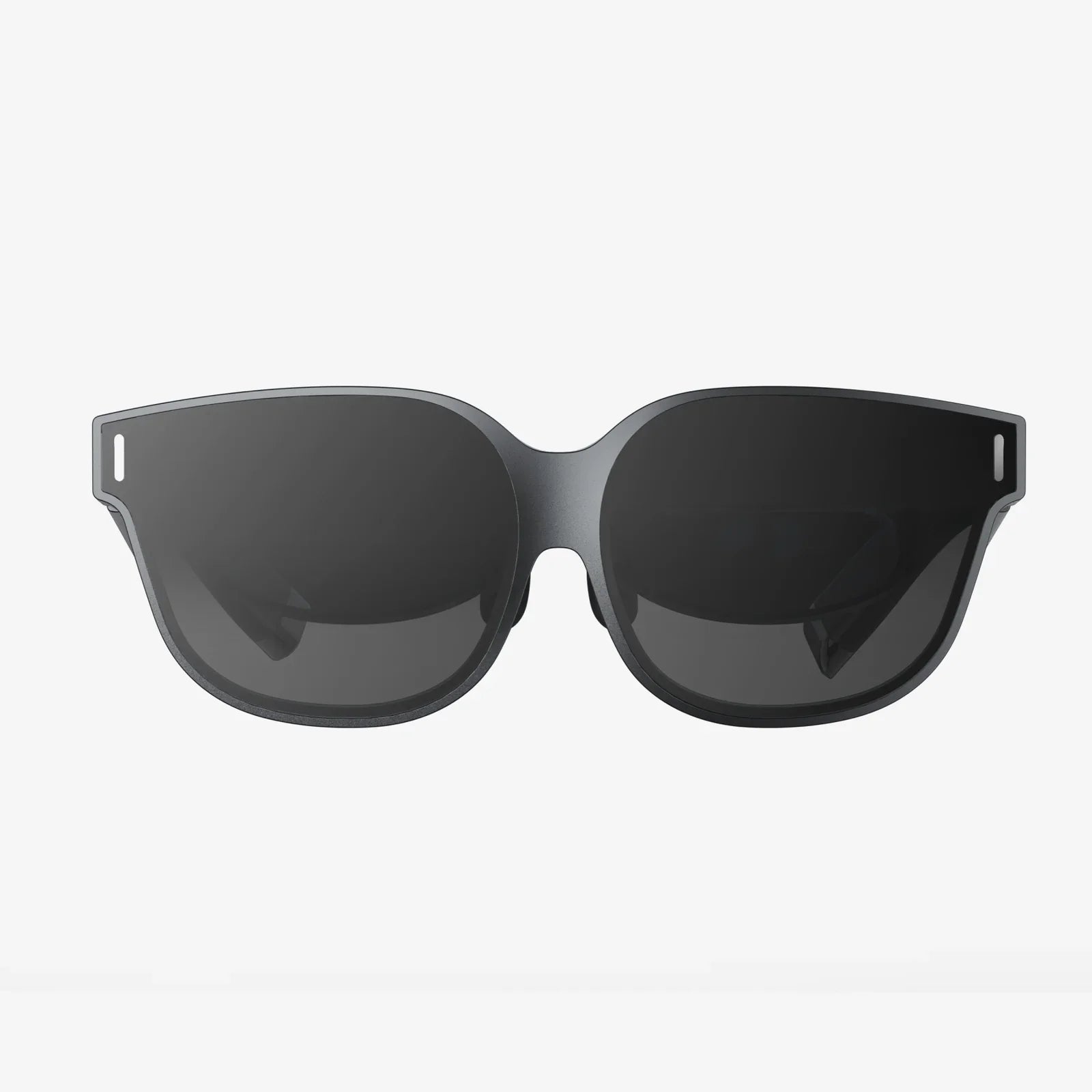
The world is on the cusp of a visual computing revolution, and the numbers behind the head mounted display market size are the most compelling evidence of this seismic shift. What was once the stuff of science fiction is now a multi-billion-dollar industry, projected to reshape everything from how we work and play to how we connect and learn. The staggering growth figures are more than just statistics; they are a portal into a future where digital and physical realities are seamlessly intertwined, promising an immersive experience that is captivating investors, developers, and consumers alike.
Defining the Scope: What Constitutes the Head Mounted Display Market?
Before delving into the numbers, it is crucial to understand what the head mounted display (HMD) market encompasses. At its core, an HMD is a wearable device that places a visual interface in front of one or both eyes. This market is broadly segmented into two primary categories:
- Virtual Reality (VR) Headsets: These devices fully immerse the user in a computer-generated environment, blocking out the physical world. They are typically used for gaming, training simulations, and virtual tours.
- Augmented Reality (AR) Smart Glasses: Unlike VR, AR glasses overlay digital information and graphics onto the user's view of the real world. This technology has profound applications in enterprise, navigation, and real-time data visualization.
- Mixed Reality (MR) Devices: A more advanced subset of AR, MR devices allow for interaction between digital and physical objects, creating a hybrid environment.
The market size analysis includes revenue generated from the sale of these devices, as well as the associated software, services, and ecosystem development. It is a holistic view of an entire technological paradigm in motion.
The Current Landscape: A Market of Immense Scale and Momentum
As of the most recent comprehensive analyses, the global head mounted display market size is a testament to rapid adoption and technological advancement. Current valuations place the market in the range of tens of billions of dollars, a figure that has seen a compound annual growth rate (CAGR) well into the double digits over the past five years. This explosive growth is not a singular event but a trend built on a foundation of several converging factors.
The initial wave of consumer-grade devices served as a catalyst, bringing immersive technology into the mainstream consciousness and demonstrating its potential beyond niche applications. This was followed by significant investment in content creation, with developers building engaging experiences for gaming, social interaction, and media consumption. The enterprise sector quickly recognized the value proposition, leading to widespread pilot programs and deployments in fields like manufacturing, healthcare, and retail.
Key Drivers Propelling the Market Forward
The expansion of the head mounted display market size is not accidental. It is being fueled by a powerful combination of technological innovation, decreasing costs, and expanding use cases.
Technological Advancements
The evolution of core technologies has been a primary engine for growth. Displays have become higher resolution, reducing the "screen door effect" and creating more believable virtual worlds. Tracking systems, incorporating inside-out and outside-in technologies, have become vastly more accurate and responsive, enhancing user immersion and comfort. Furthermore, improvements in processing power, often leveraging standalone and all-in-one designs, have untethered users from powerful computers, granting them freedom of movement and accessibility.
Plummeting Costs and Increased Accessibility
Early HMDs were prohibitively expensive for the average consumer. However, economies of scale, refined manufacturing processes, and competition have driven prices down dramatically. The availability of lower-cost options, alongside premium offerings, has opened the market to a much broader demographic, from individual enthusiasts to large-scale enterprise deployments.
Proliferation of Use Cases Across Industries
The question is no longer "What can we use this for?" but "Where can't we use this?" The application spectrum is vast:
- Gaming and Entertainment: The most well-known driver, offering deeply immersive experiences that are unmatched by traditional screens.
- Enterprise and Manufacturing: Companies use AR for remote expert assistance, complex assembly guidance, and digital work instructions, reducing errors and training time.
- Healthcare: Surgeons plan and practice complex procedures in VR, medical students learn anatomy in 3D, and AR overlays patient data during examinations.
- Education and Training: From virtual field trips to hazardous environment training, HMDs provide safe, scalable, and effective learning tools.
- Retail and Real Estate: Customers can try on clothes virtually or tour properties from anywhere in the world.
Strategic Investments and Ecosystem Development
Major technology corporations are making colossal bets on the future of spatial computing. Billions of dollars are being invested not only in hardware R&D but also in acquiring content studios, developing foundational software platforms, and building cloud-based services to support the metaverse—a persistent network of shared virtual spaces. This level of investment validates the market's potential and accelerates its development cycle.
Market Segmentation: A Closer Look at the Numbers
To truly understand the head mounted display market size, one must examine its segments. The growth is not uniform across all categories.
By Product Type
While VR headsets currently command a larger share of the market in terms of unit sales, largely due to the mature gaming segment, AR smart glasses are projected to experience a significantly higher growth rate. The enterprise applications for AR present a enormous total addressable market, driving this segment's value exceptionally high.
By Application
The consumer segment, driven by gaming and media, is a massive revenue generator. However, the enterprise and commercial segment is growing at a formidable pace. The return on investment (ROI) for businesses using HMDs for training, design, and maintenance is clear and measurable, leading to sustained B2B adoption.
By Region
North America has historically held the largest market share, thanks to its strong technology sector, high consumer spending power, and early adoption by enterprises. However, the Asia-Pacific region is anticipated to be the fastest-growing market. This is driven by massive manufacturing capabilities, government initiatives supporting technological adoption, and a vast consumer base in countries like China, Japan, and South Korea.
Future Projections: Charting the Course of Exponential Growth
All major market research firms paint a picture of relentless expansion for the head mounted display market. Projections for the next five to ten years suggest the market size will multiply several times over, potentially reaching well over a hundred billion dollars by the end of the decade. This growth will be underpinned by several key developments:
- The Advent of True AR Glasses: The industry is moving toward sleek, socially acceptable AR glasses that resemble standard eyewear. The successful commercialization of this form factor will be a watershed moment, unlocking mass consumer adoption.
- 5G and Edge Computing: The rollout of high-speed, low-latency 5G networks will enable cloud rendering of complex graphics. This will allow HMDs to become lighter and more affordable by offloading processing power to the cloud.
- The Evolution of the Metaverse: As the concept of a persistent, interconnected virtual world evolves, the demand for HMDs as the primary access point will skyrocket, transforming them from a peripheral device into a central computing platform.
- AI Integration: Artificial intelligence will make interactions within virtual and augmented spaces more intuitive and responsive, understanding user intent and generating dynamic content in real-time.
Challenges and Considerations
Despite the optimistic projections, the path forward is not without obstacles. Technical challenges like achieving all-day battery life, perfecting holographic display waveguides, and mitigating user discomfort or cybersickness remain. Furthermore, societal and regulatory questions concerning data privacy, digital identity, and the psychological effects of prolonged immersion in virtual worlds must be addressed thoughtfully by industry stakeholders.
The head mounted display market size is more than a metric; it is a barometer for the arrival of the next major computing platform. The billions of dollars flowing into the sector represent a global vote of confidence in a future where our digital and physical lives are no longer separate, but fused. For businesses, understanding these trends is no longer optional—it is essential for remaining competitive in the coming decade. For consumers, it heralds a new era of human experience, limited only by the imagination. The numbers don't lie; we are stepping into a new reality, and the market is building the doorway.
Share:
AR Contact Lens News: The Future of Vision is Transparent and Transformative
Online Collaborative Space: The Digital Heart of Modern Work and Innovation