


- by wangfred
Head Mounted Virtual Reality: The Ultimate Portal to Digital Worlds
- by wangfred
Imagine slipping on a sleek visor and instantly stepping onto the surface of Mars, practicing a complex surgical procedure on a digital cadaver, or sitting front row at a concert happening halfway across the globe. This is no longer the stuff of science fiction; it is the tangible, awe-inspiring reality offered by head mounted virtual reality. This technology, once a distant dream, is now a powerful portal, beckoning us to explore, create, and connect in ways previously unimaginable. It represents one of the most significant shifts in human-computer interaction, promising to redefine entertainment, education, work, and social connection. The journey beyond the screen starts here, and it is more accessible and incredible than you might think.
At its heart, a head mounted virtual reality system is an engineering marvel designed to trick the human brain into accepting a digital environment as real. This illusion, known as 'presence,' is achieved through a sophisticated synergy of hardware and software.
The primary gateway into VR is visual. Modern headsets employ two high-resolution displays, one for each eye, positioned behind specially calibrated lenses. These lenses warp the displayed image to fill the user's entire field of view, eliminating the edges of the screen and creating a seamless, encompassing visual sphere. A critical component here is the refresh rate, measured in Hertz (Hz). A high refresh rate, typically 90Hz or above, is essential to ensure smooth motion and minimize latency—the delay between a user's movement and the corresponding update on the screen. Low latency is paramount; even a slight delay can break immersion and, for some, cause discomfort or nausea.
For the virtual world to react naturally, the system must track the user's head and, often, their body movements with extreme precision. This is accomplished through a combination of technologies:
Immersion is not solely a visual experience. Spatial audio technology is what completes the sensory deception. Unlike standard stereo sound, spatial audio simulates how sound waves interact with the human head and ears. A noise from behind you will sound like it's coming from behind you. The rustle of leaves will feel like it's all around you. This 360-degree soundscape is vital for creating a believable environment and is especially critical for competitive gaming and detailed training simulations where auditory cues are key.
Modern motion controllers are the extension of the user's will into the digital space. Equipped with buttons, joysticks, and haptic feedback motors, they also feature precise tracking that allows the system to map your hand and finger movements. More advanced systems are pioneering hand-tracking technology, which uses the headset's cameras to track your bare hands, allowing for even more intuitive and natural interaction—reaching out to push a virtual button or grab an object with your actual fingers.
While gaming is the most famous and commercially successful application, head mounted virtual reality is proving to be a transformative tool across a vast spectrum of industries.
VR offers an unparalleled educational medium: learning by doing in a risk-free environment. Medical students can perform intricate virtual dissections and surgical procedures, making mistakes without consequence. History students can take a guided tour of ancient Rome, walking through the Forum and witnessing a gladiator battle. Mechanics can train on the complex systems of a jet engine, with each part rendered in perfect detail. This experiential learning leads to significantly higher retention rates and deeper understanding compared to traditional textbooks or videos.
From architecture to manufacturing, VR is streamlining workflows and enhancing collaboration. Architects and clients can walk through a full-scale 3D model of a building before a single brick is laid, allowing for design changes that would be costly and time-consuming later. Global engineering teams can meet inside a virtual prototype of a new car, examining every component from every angle in real-time, regardless of their physical location. This 'virtual prototyping' saves millions in development costs and drastically shortens production cycles.
Head mounted virtual reality is evolving into a new platform for social interaction. Social VR platforms allow users, represented by customizable avatars, to meet, talk, play games, and watch movies together in shared virtual spaces. This sense of 'co-presence'—being in a room with someone—is far more powerful than a standard video call. For remote work, this translates to virtual offices where colleagues can collaborate on whiteboards, manipulate 3D data models, and interact with a naturalness that flat screens cannot replicate, fostering a stronger sense of team cohesion and creativity.
The therapeutic potential of VR is immense and growing. It is successfully used for exposure therapy, helping patients with phobias (like fear of heights or flying) confront their triggers in a controlled, safe setting. It aids in physical rehabilitation, turning repetitive exercises into engaging games that improve patient motivation and outcomes. VR is also being explored for pain management, using immersive distraction techniques to help burn victims during wound care or patients undergoing painful procedures.
Despite its rapid advancement, head mounted virtual reality still faces hurdles on its path to becoming a ubiquitous technology.
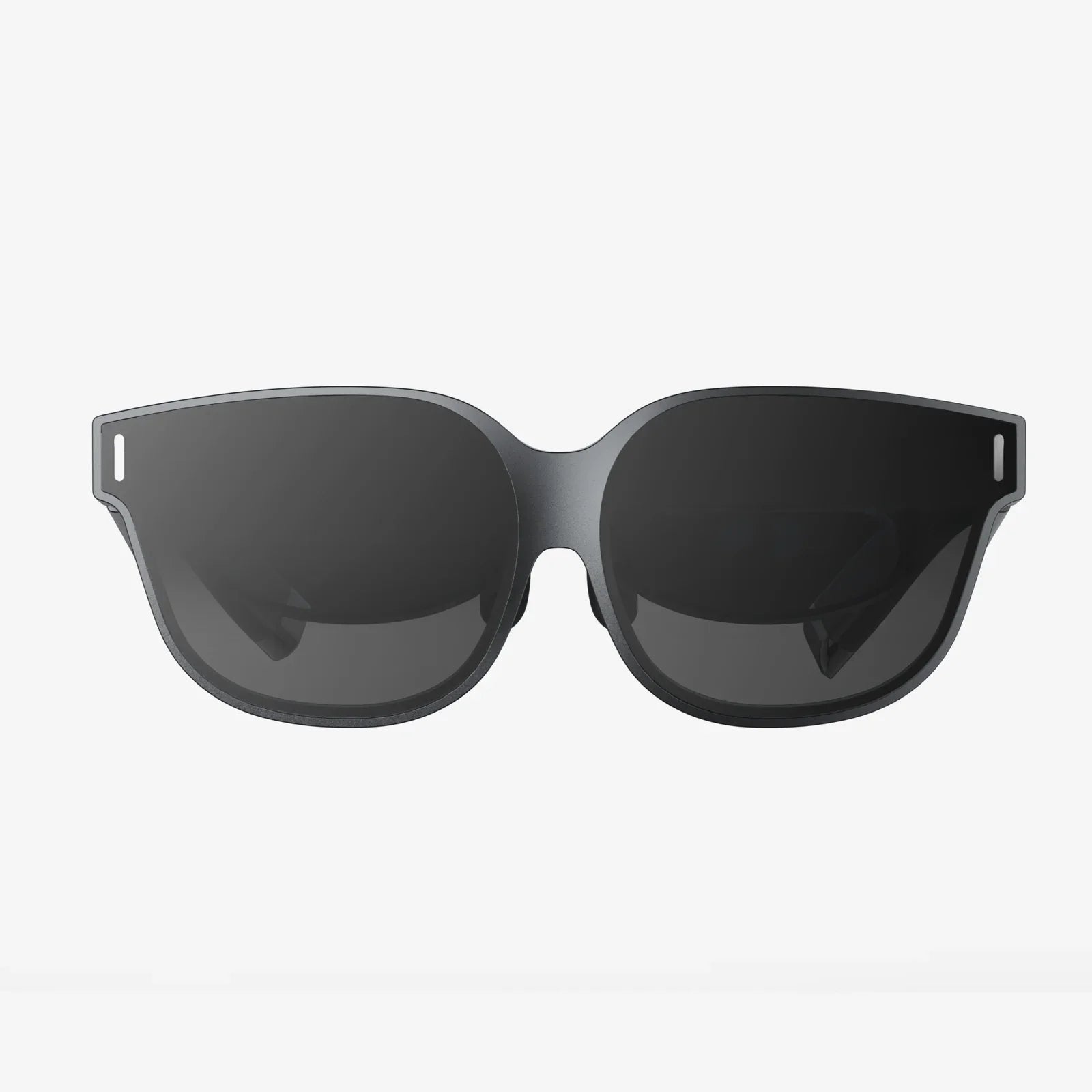
Early headsets were often criticized for being bulky, heavy, and tethered to powerful computers. While wireless technology and better ergonomics have made great strides, achieving a perfect balance of power, weight, and comfort remains a key focus for engineers. The industry is moving towards smaller, lighter, more glasses-like form factors that can be worn for extended periods without fatigue.
The value of any platform is defined by its content. While there are thousands of VR experiences available, the search for a definitive 'killer app'—an experience so compelling it drives mass adoption—continues. The ecosystem needs a continuous pipeline of high-quality, engaging, and diverse content that appeals to a broad audience beyond hardcore gaming enthusiasts.
As with any powerful technology, VR raises important questions. Issues of data privacy, given the immense amount of personal and biometric data headsets can collect, are paramount. There are also concerns about prolonged use and its effects on social development, physical health, and mental well-being. Establishing clear ethical guidelines and safety standards will be crucial as the technology becomes more integrated into our daily lives.
The trajectory of head mounted virtual reality points towards a future of even deeper immersion and seamless integration with our reality. Several emerging technologies are set to supercharge this evolution.
Eye-tracking technology, already appearing in some devices, will allow for foveated rendering—a technique that renders the area you are directly looking at in high detail while subtly reducing the quality in your peripheral vision. This dramatically reduces the computational power needed, enabling more complex visuals on less powerful hardware. It also enables more natural avatars, as your digital representation can make eye contact and convey non-verbal cues.
Furthermore, the lines between the virtual and the real are beginning to blur with the advancement of mixed reality (MR). Using high-resolution cameras, future headsets will be able to seamlessly blend digital objects into your physical environment, allowing you to place a virtual television on your real wall or have a digital pet run around your living room. This fusion of realities will unlock applications we are only beginning to conceive.
The ultimate horizon remains the development of haptic feedback suits and gloves that provide tactile sensation, allowing you to feel the texture of a virtual object or the impact of a virtual punch. While still in early stages, this technology promises to complete the sensory loop, making the virtual experience indistinguishable from the physical one.
The door to these impossible experiences is now open, waiting for you to take that first step. Head mounted virtual reality is not just another gadget; it is the beginning of a new computing paradigm, a canvas for human imagination, and a bridge to countless new realities. The potential is limitless, constrained only by our creativity. This is your invitation to look closer, to reach out, and to truly step inside.
Share:
Actual Reality vs Virtual Reality: The Blurring Lines of Human Experience
How Good Is Virtual Reality: A Deep Dive into the Immersive Digital Frontier