


- by wangfred
High-End Smart Devices: The Unseen Architecture of Modern Life
- by wangfred
Imagine a world where your environment anticipates your needs before you consciously form them—where the boundary between physical reality and digital intelligence becomes so blurred it simply vanishes. This is no longer the realm of science fiction; it is the present and future being architected by the silent, sophisticated evolution of high-end smart devices. These are not mere gadgets; they are the new foundational layers of our homes, our health, and our very perception of convenience and luxury. They represent a seismic shift from visible technology to invisible, ambient assistance, promising a life of unparalleled ease while posing profound questions about the path we are walking into tomorrow.
In a marketplace flooded with connected products, the term "smart device" has been diluted. The high-end segment, however, is defined by a distinct set of principles that elevate it from mere connectivity to a holistic experience. It is a confluence of exquisite design, relentless performance, and sophisticated artificial intelligence.
Firstly, design language and material science are paramount. A high-end device doesn’t look like a piece of tech; it looks like a piece of art or a premium furnishing. It employs materials like brushed titanium, precision-milled aluminum, ceramic composites, and sustainable woods. Its form factor is minimalist, its presence is quiet, and its goal is to integrate seamlessly into a living space, often becoming invisible until needed. The tactile feedback, the weight, the finish—every detail is engineered to evoke a sensory response of quality and permanence.
Secondly, it boasts superior performance and processing power. These devices are equipped with specialized chipsets designed not just for speed, but for efficiency in handling complex machine learning tasks locally. This on-device processing is a critical differentiator. Instead of shipping every command to a distant cloud server, the intelligence resides within the device itself. This means faster response times, such as near-instantaneous voice assistant replies, and the ability to function reliably even during internet outages for core tasks.
Finally, and most crucially, high-end smart devices are defined by contextual and predictive intelligence. A budget device might respond to a direct command. A high-end device learns from patterns and acts proactively. It understands that you typically lower the lights at 9 PM, so it suggests it. It notices your thermostat is set higher when you’re experiencing less movement, suggesting you might be unwell, and adjusts the environment accordingly. This shift from reactive command to proactive anticipation is the true hallmark of the category.
The ultimate ambition of high-end smart technology is to disappear. This isn't about obsolescence, but about achieving a state of calm technology—where the tool recedes into the background, and the benefit moves to the forefront.
Consider the modern smart home. We are moving beyond simple voice-controlled lights and plugs. The high-end ecosystem involves a network of interconnected devices that communicate seamlessly. Advanced environmental systems continuously monitor and adjust air quality, humidity, and temperature, not just to a set schedule, but based on occupancy, external weather conditions, and even biometric feedback from wearables. Sophisticated security arrays use computer vision to distinguish between a family member, a regular visitor, and an unknown person, sending tailored alerts rather than generic alarms. The system doesn’t just lock the door; it ensures the pathway to the bedroom is gently illuminated if it detects movement in the middle of the night.
In personal health, this integration is even more profound. High-end wearables have evolved from step-counters to comprehensive health guardians. They employ multi-sensor arrays to gather data on heart rate variability, blood oxygen saturation, skin temperature, and even electrodermal activity (a marker for stress). The local AI on the device processes this data to provide insights into sleep quality, recovery readiness, and potential signs of atrial fibrillation. They don’t just report data; they provide a narrative about your well-being, prompting you to take a moment to breathe or suggesting an earlier bedtime based on your physiological state.
None of this proactive, seamless functionality would be possible without the immense power of Artificial Intelligence (AI) and Machine Learning (ML). These are the brains of the operation, transforming raw data into actionable intelligence.
Machine learning algorithms are what allow a device to learn a user’s unique patterns and preferences. Through techniques like neural networks, these systems process vast amounts of anonymized data to improve their predictive accuracy over time. For instance, a smart kitchen appliance can learn your cooking habits, preheating to the right temperature for your usual weekday breakfast, or guiding you through a complex recipe by recognizing the ingredients you place on a smart scale.
A key development in high-end devices is the move toward federated learning. This is a privacy-centric approach where the ML model is trained across multiple devices without the raw data ever leaving the user's possession. The device learns on your data locally, and only the anonymized learnings (e.g., "model A improved its prediction for ‘evening relaxation’ by 5% based on user interactions") are sent to the cloud to improve the global model for everyone. This balances the need for collective intelligence with the imperative of individual privacy.
The very capabilities that make high-end smart devices so compelling also create their greatest challenge: the immense amount of personal data they collect. These devices know when you are home, when you sleep, what you eat, how your heart beats, and the content of your conversations. This data is a treasure trove, not just for improving user experience, but for malicious actors and, potentially, for the companies that manufacture the devices.
The high-end market addresses this through a multi-layered approach. On-device processing is the first and most important layer. By handling sensitive data like voice recordings or health metrics locally, the need to transmit it over the internet is drastically reduced. Strong encryption, both for data at rest on the device and in transit to the cloud, is non-negotiable. Transparent data policies that clearly state what data is collected, how it is used, and who it is shared with are a mark of a reputable manufacturer. Users of these devices are increasingly savvy and demand control, often expressed through robust privacy dashboards that allow them to toggle data-sharing settings on a granular level.
Ultimately, owning a network of high-end smart devices requires a conscious trade-off. The user cedes a degree of data in exchange for a significant gain in convenience, safety, and insight. The responsibility falls on manufacturers to honor that trust with ironclad security and ethical data practices, and on consumers to make informed choices.
The proliferation of this technology is subtly but inexorably changing human behavior and social dynamics. The constant, ambient availability of information and control can lead to a phenomenon known as ambient laziness—where the mental effort of getting up to adjust a thermostat or even flip a light switch feels burdensome. While convenience is the goal, there is a risk of disconnecting from the simple physical interactions with our environment.
Furthermore, these devices are reshaping domestic relationships. The concept of a "digital butler" that manages the household can lead to new forms of conflict or agreement over its settings and permissions. Does the system prioritize one person's temperature preference over another's? Who receives alerts about a child’s movement? The technology becomes an active participant in the social order of the home, requiring families to negotiate their relationship with it.
On a broader scale, there is a risk of a new digital divide. As essential services, security, and health monitoring become integrated into these often-expensive ecosystems, a gap could emerge between those who can afford this intelligent layer of protection and convenience and those who cannot. The smart home could become a new marker of socioeconomic status.
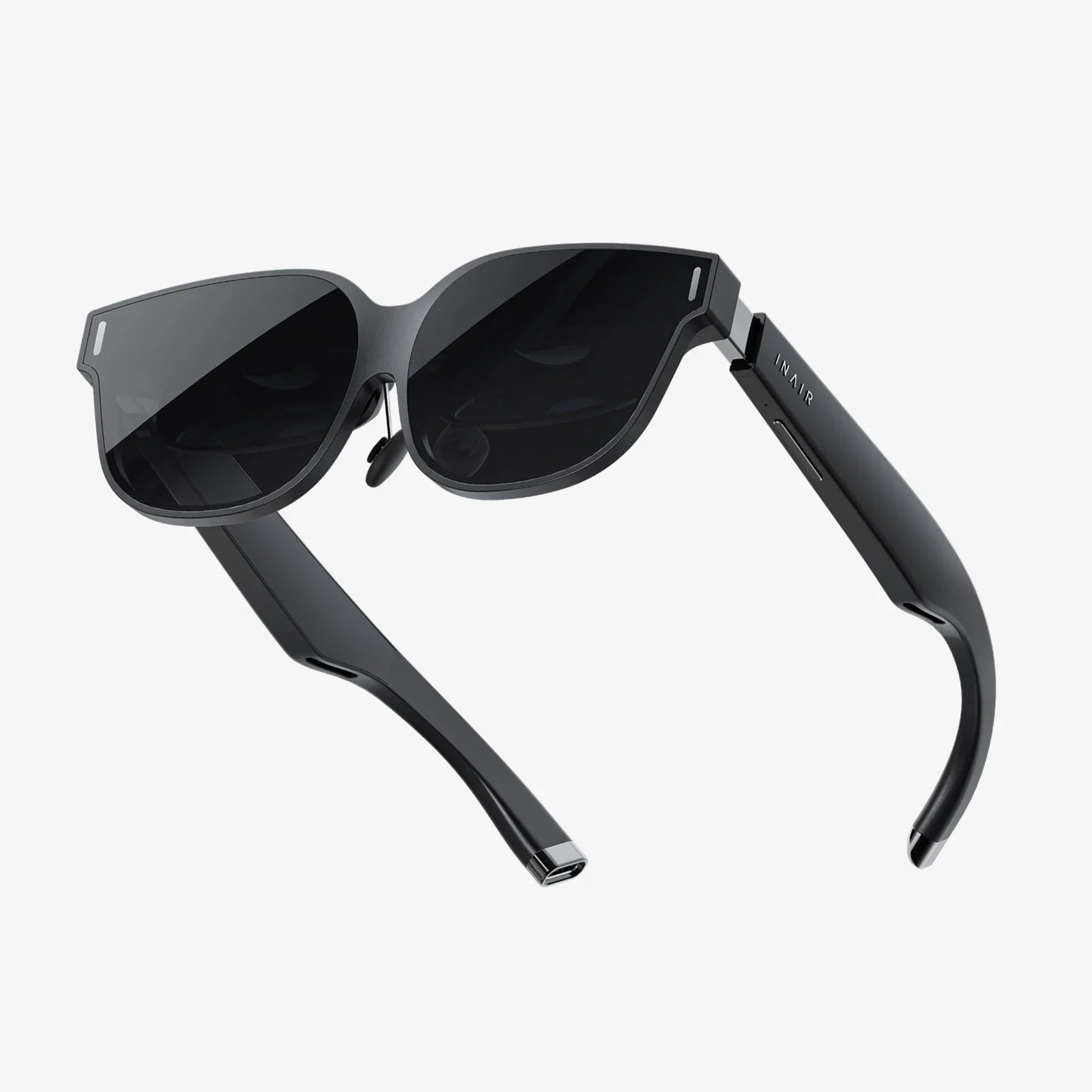
The trajectory of high-end smart devices points toward even greater integration and intelligence. We are moving toward a world of spatial computing, where augmented reality (AR) interfaces overlayed on smart glasses will allow us to interact with our digital ecosystems through gestures and glances, completely freeing us from screens. The concept of the "ambient home" will mature into a truly adaptive environment that responds to our emotional state, detected through advanced biometrics and voice tone analysis.
Interoperability will be the next great frontier. The true potential of these devices will only be unlocked when they can communicate flawlessly across different manufacturers and platforms, creating a unified, rather than fragmented, intelligent environment. Emerging standards promise a future where you can mix and match best-in-class devices without being locked into a single brand's ecosystem.
Finally, sustainability will become a core tenet of high-end design. This means not only using recycled and sustainable materials but also engineering for longevity, repairability, and energy efficiency. The next generation of luxury tech will be measured not just by what it can do, but by its minimal environmental footprint over its entire lifecycle.
The silent hum of a perfectly climate-controlled room, the gentle nudge from your wrist suggesting you are overstressed, the front door that unlocks for you without a key or a command—these are the quiet miracles of the high-end smart device revolution. They are weaving a web of intelligence around us, one that promises to free our minds from mundane tasks and empower us with deeper knowledge about ourselves and our world. Yet, this convenience comes with a price that is not measured in currency, but in data and dependency. The future they are building is not one of clunky robots and flying cars, but one of an elegantly curated, responsive, and intimately personal reality. The question is no longer if you will let these devices into your life, but how deeply you will allow them to learn your rhythms, and in turn, shape them.