


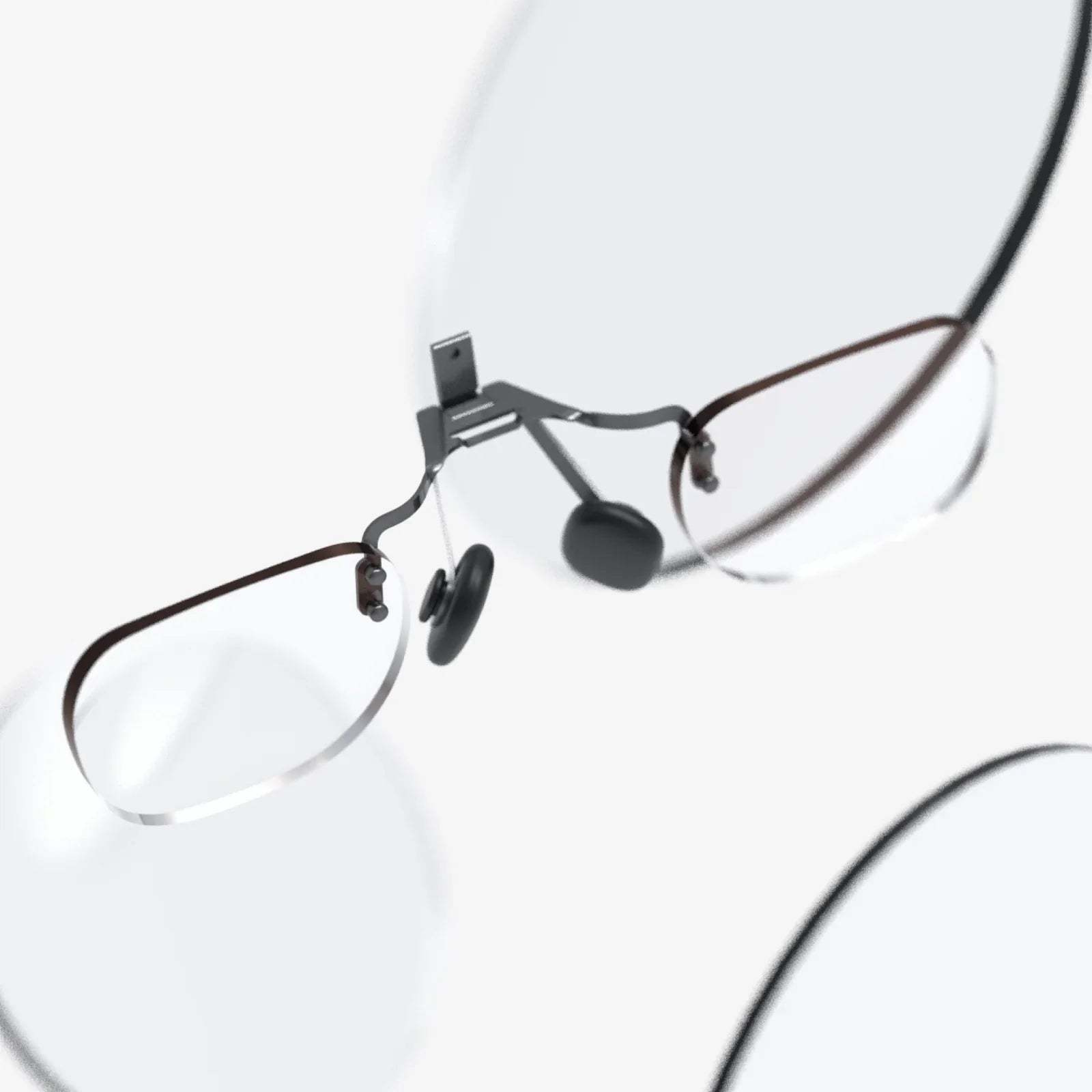
Imagine a world where your glasses do more than just correct your vision—they enhance it, protect it, and connect you to a digital universe, all while being virtually indistinguishable from a sleek piece of high-fashion eyewear. This is no longer the realm of science fiction. The era of high-tech prescription glasses has arrived, and it is fundamentally reshaping our relationship with one of humanity’s oldest and most vital tools.
The Evolution of Sight: From Simple Lenses to Computational Vision
For centuries, the fundamental principle of eyeglasses remained unchanged: a curved piece of glass or plastic to bend light, correcting focus for myopia, hyperopia, or astigmatism. Today, that paradigm is shifting from passive correction to active enhancement. High-tech prescription glasses represent a convergence of optometry, materials science, and digital technology, creating devices that are as intelligent as they are indispensable.
Advanced Materials: The Foundation of Modern Eyewear
The journey to high-tech glasses begins at the molecular level. The materials used in lenses and frames have undergone a quiet revolution.
High-Index Lenses
For those with strong prescriptions, thick, heavy lenses that distorted their eyes were once an unfortunate necessity. High-index plastic materials changed everything. These advanced polymers bend light more efficiently than standard materials, meaning they can achieve the same corrective power in a significantly thinner, lighter, and more aesthetically pleasing lens. This is a fundamental tech upgrade that improves comfort and wearability daily.
Impact-Resistant and Durable Coatings
Safety is engineered in. Many high-tech lenses are made from inherently impact-resistant materials, offering a crucial layer of protection. Furthermore, advanced coatings are applied through vacuum deposition processes, creating multilayer surfaces that are:
- Anti-Reflective: Cutting down on distracting glare from screens and headlights, reducing eye strain and improving night vision.
- Scratch-Resistant: Employing hard coatings that dramatically increase the longevity of the lenses.
- Hydrophobic and Oleophobic: Causing water and oils to bead up and roll off the surface, making them easier to clean and resistant to smudges.
The Digital Lens Revolution: Beyond Simple Correction
Perhaps the most significant leap forward is in how lenses are designed and manufactured. Using complex algorithms and precision digital surfacing, lenses can now be personalized to an unprecedented degree.
Digital Free-Form Lenses
Unlike traditional lenses ground from a semi-finished blank, digital free-form lenses are surfaced point-by-point, often using laser etching technology. This allows for:
- Precision Optimization: Exact correction tailored to the individual’s prescription, including complex astigmatism.
- Wider Fields of Vision: Reducing peripheral distortion and creating a more natural, seamless viewing experience.
- Personalized Progressive Lenses: For presbyopia, digital progressives can be customized based on the wearer’s preferred near-focus distance (e.g., for a specific reading posture or computer monitor height), offering a smoother, more adaptive transition between zones than ever before.
Blue Light Filtering Technology
With the average person spending hours daily in front of digital screens, concern over high-energy visible (HEV) blue light has grown. High-tech lenses often integrate specialized filters that selectively block a portion of this light without distorting color perception. While research is ongoing, many users report a significant reduction in digital eye strain, headaches, and improvements in sleep quality when using these lenses, especially during evening screen time.
The Smart Glasses Frontier: Integrating the Digital and Physical Worlds
The most futuristic segment of high-tech prescription glasses is the integration of smart technology, transforming a vision tool into a wearable computer.
Heads-Up Display (HUD) Technology
Imagine vital information projected seamlessly into your field of view. Early iterations of smart glasses were clunky and obvious, but current advancements are focusing on subtlety. Micro-projectors and waveguides built into the lenses can overlay navigation prompts, message notifications, calendar reminders, or real-time translation of foreign text onto the real world. This allows for hands-free, glanceable access to information, increasing productivity and connectivity without the need to constantly look down at a phone.
Auditory Integration
Many smart glass designs incorporate discreet bone conduction audio or tiny speakers built into the temples. This enables phone calls, listening to music, or receiving audio alerts without earbuds, leaving your ears open to ambient sounds for greater situational awareness.
Sensor Integration and Health Monitoring
The frame of high-tech smart glasses provides a perfect platform for sensors. Prototypes and emerging products feature:
- Accelerometers and gyroscopes to track activity and movement.
- Biometric sensors that could potentially monitor indicators like sun exposure duration or even blood oxygen levels.
- Integrated cameras for photography, videography, and augmented reality experiences.
Photochromic and Electrochromic Lenses: Adaptive Clarity
Gone are the days of clunky clip-on sunglasses or carrying a separate pair. Advanced light-adaptive lenses offer elegant solutions.
Traditional Photochromics
These lenses darken automatically upon exposure to UV light and clear up indoors. Modern versions activate faster, fade back more quickly, and achieve a darker tint outdoors, all while being available in a wider range of materials and designs.
Electrochromic Technology
This represents the next generation of adaptive lenses. With the press of a button or via a smartphone app, a small electrical current sent through a thin layer of liquid crystal in the lens triggers it to tint or clear instantly. This allows the wearer to control the exact level of darkness regardless of UV exposure—perfect for driving (as car windshields block UV) or for those who want precise control over their visual experience throughout the day.
Considerations for the Tech-Savvy Wearer
Adopting high-tech prescription glasses involves more than just picking a frame.
The Professional Fitting
These advanced devices are not one-size-fits-all. A precise fitting by an eyecare professional is paramount. This ensures the pupillary distance and optical center are perfectly aligned for digital lenses and that any smart technology is positioned correctly for the individual’s face. It’s the crucial step that unlocks the full potential of the technology.
Battery Life and Connectivity
For smart glasses, battery life is a key consideration. Current models typically offer a full day of use, but intensive use of features like the display or audio will drain power faster. Seamless connectivity via Bluetooth is standard, but it’s important to understand the ecosystem and how the glasses integrate with your other devices.
Investment and Value
High-tech prescription glasses represent a significant investment compared to their traditional counterparts. The cost reflects the advanced materials, complex manufacturing, and integrated technology. However, for many, the value proposition—enhanced comfort, superior vision, digital convenience, and eye protection—makes it a worthwhile investment in their daily quality of life.
The humble eyeglass has been reborn. It’s no longer just a medical device but a sophisticated wearable that sits at the intersection of health, fashion, and technology. From lenses that are engineered with digital precision to frames that connect us to the cloud, high-tech prescription glasses are actively augmenting human capability. They are helping us see better, live more efficiently, and interact with our environment in ways previously unimaginable. The future of sight is clearer, smarter, and more exciting than ever, and it’s available right now for those ready to look ahead.
Share:
What VR Headset Has the Best Resolution: A Deep Dive into Visual Fidelity
AR Headset News Updates: The Future is Now and It's Transparent