


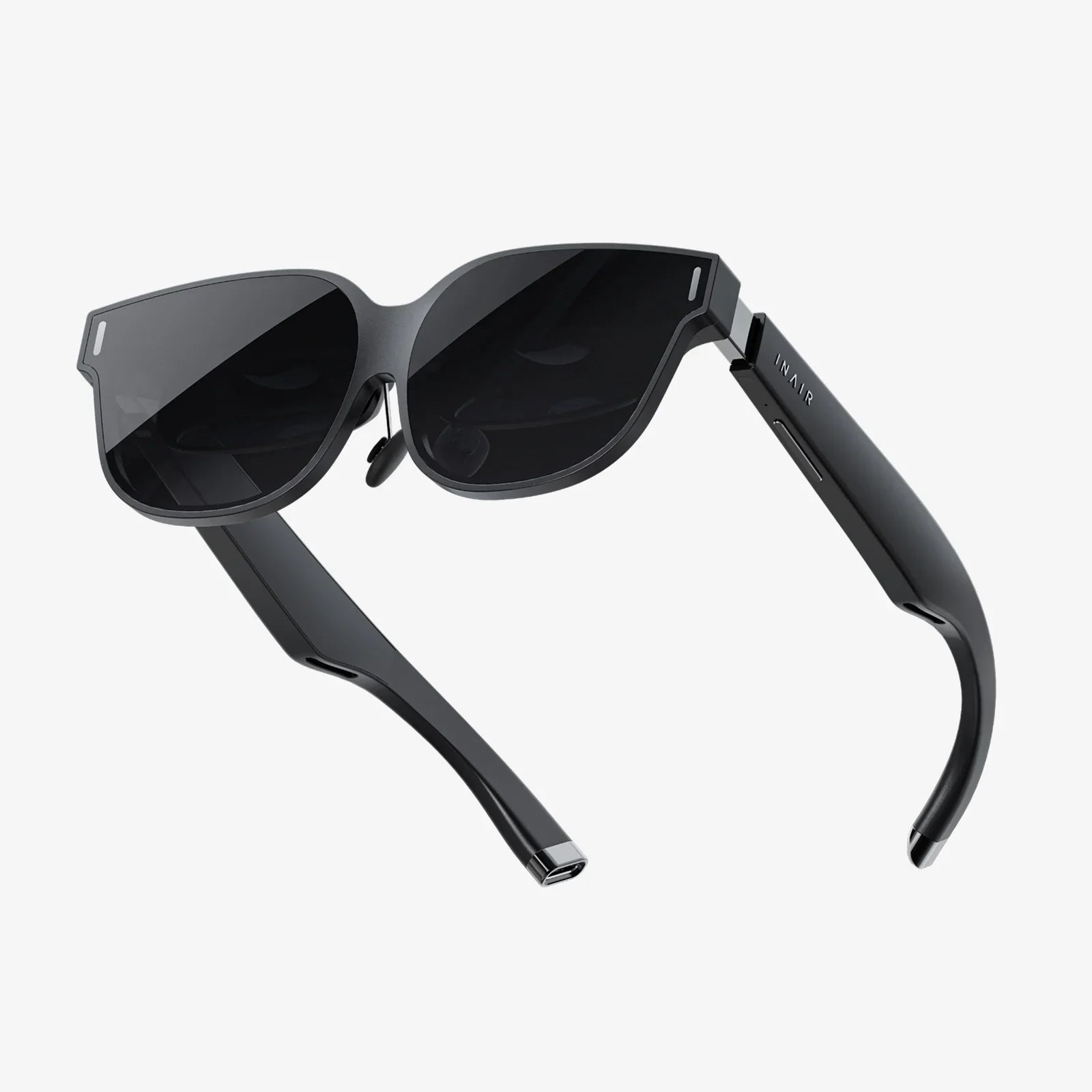
Imagine a world where the sunglasses perched on your nose do more than shield your eyes from the sun; they connect you to a digital universe, safeguard your long-term health, and respond to your every command. This is no longer the realm of science fiction. High tech sun glasses are here, and they are poised to fundamentally change our relationship with both technology and the environment. This convergence of advanced optics, micro-computing, and material science is creating a new category of wearable device that is as much about enhanced vision as it is about vision enhancement.
The Evolution of Eye Protection: From Smoky Quartz to Smart Glass
The journey to today's high tech sun glasses began millennia ago. Ancient civilizations used flattened slices of smoky quartz to reduce the sun's glare, a simple but effective solution. The 20th century brought about the scientific understanding of ultraviolet (UV) radiation and its damaging effects, leading to the development of lenses that could block UVA and UVB rays. For decades, this was the gold standard. Then, polarization technology emerged, cutting blinding glare from reflective surfaces like water and asphalt, a boon for anglers and drivers alike.
This progression laid the groundwork for the current revolution. The foundational purpose—protection—remains, but it has been supercharged. Modern high tech sun glasses start with this baseline and build upon it with layers of intelligent innovation. They are no longer passive filters but active systems designed to interact with and adapt to their surroundings.
Beyond UV: Advanced Protective Technologies
The definition of "protection" has expanded dramatically. While 100% UV blockage is now a given, the next generation of lenses tackles a broader spectrum of environmental challenges.
Adaptive Photochromic Lenses
Early photochromic technology, which allows lenses to darken in response to sunlight, was often slow to react and inconsistent. Today's advanced versions are exponentially faster and more precise. Utilizing sophisticated organic photochromic compounds, these lenses can transition from clear to dark and back again in seconds, seamlessly adapting to changing light conditions during a drive from a sunny highway into a shaded tunnel or a walk in and out of a building.
Electrochromic Active Dimming
Taking adaptability a step further, some high tech sun glasses employ electrochromic technology. Often controlled by a tiny embedded chip, these lenses can change their tint level electronically at the push of a button or even automatically based on ambient light sensors. This allows the wearer to set the exact level of darkness desired, from completely clear for indoor use to maximum tint for bright alpine environments, all without swapping lenses.
High-Energy Visible (HEV) Light Filtration
Beyond UV, research has pointed to the potential long-term effects of High-Energy Visible (HEV) blue light, emitted by the sun and digital screens. Certain advanced lenses now incorporate filters that selectively block a portion of this blue light, reducing eye strain and fatigue. This is particularly valuable for those who spend significant time outdoors followed by periods in front of digital devices, offering a continuous layer of protection.
The Integration of Augmented Reality
Perhaps the most futuristic aspect of high tech sun glasses is the seamless integration of Augmented Reality (AR). This technology superimposes digital information onto the user's real-world field of view, effectively turning their surroundings into an interactive interface.
Micro-projectors, often located within the frame's arms, beam information onto specially engineered lenses that reflect the imagery directly into the user's eyes. This creates the illusion that holographic displays, maps, and notifications are floating in the world ahead. The applications are vast and transformative:
- Navigation: Follow arrow-guided routes superimposed onto the street in front of you, making city exploration or hiking hands-free.
- Fitness Metrics: Athletes and cyclists can see real-time data like heart rate, speed, distance, and pace without ever looking down at a wristwatch or phone.
- Translation: Look at a foreign street sign or menu, and see the translated text appear in your lenses almost instantly.
- Contextual Information: Tourists can gaze at a landmark and receive historical facts and figures displayed discreetly in their periphery.
This "heads-up" display paradigm is a cornerstone of the high tech sun glasses revolution, keeping users informed and connected without the need to disengage from their environment by looking at a phone.
Biometric Monitoring and Health Safeguards
In an era of quantified self, high tech sun glasses are becoming a powerful platform for health and wellness. Their unique position on the head provides an ideal vantage point for collecting a wealth of physiological data.
Miniaturized sensors embedded in the nose pads or temple tips can make continuous, non-invasive measurements. These may include:
- Photoplethysmography (PPG) Sensors: By emitting a light signal into the skin on the nose or temple and measuring the amount of light reflected back, these sensors can detect blood volume changes. This data is used to calculate heart rate, heart rate variability, and even blood oxygen saturation (SpO2).
- Electrodermal Activity (EDA) Sensors: Tiny electrodes can measure subtle changes in skin conductance, which is linked to emotional arousal and stress levels.
- Activity Tracking: An integrated accelerometer and gyroscope track steps, distance, and calories burned, just like a fitness tracker, but without needing an additional device on your wrist.
This constant stream of health data can provide invaluable insights. An athlete can optimize their training zones. A professional can monitor their stress levels throughout a demanding workday. For the elderly, it can serve as an early warning system, with the glasses capable of detecting a fall and automatically alerting emergency contacts.
Connectivity and the Audio Experience
True to their name, high tech sun glasses are also sophisticated communication hubs. They typically feature Bluetooth connectivity, pairing effortlessly with a smartphone. This enables features like:
- Hands-Free Calling: Built-in microphones and speakers allow users to take calls clearly without holding a phone. Advanced beamforming microphones isolate the user's voice from wind and background noise.
- Audio Streaming: Listen to music, podcasts, and audiobooks directly through the glasses. Open-ear audio technology, which uses tiny speakers that direct sound into the ear without blocking ambient noise, is particularly popular. This allows users to enjoy their audio content while remaining fully aware of their surroundings—a critical safety feature for runners and cyclists.
- Voice Assistant Integration: With a simple voice command, users can access their phone's virtual assistant to set reminders, send messages, get directions, or control smart home devices, all without lifting a finger.
Design and Durability: The Marriage of Form and Function
Packing this much technology into a form factor that people are willing to wear all day is a monumental engineering challenge. The best high tech sun glasses prioritize a sleek, minimalist aesthetic that would be indistinguishable from high-end traditional sunglasses if not for their enhanced capabilities.
Materials science plays a key role. Frames are often constructed from lightweight yet robust materials like Grilamid TR-90 or carbon fiber composites, ensuring comfort during extended wear. Lenses are made from impact-resistant polycarbonate or Trivex, offering superior durability and inherent UV protection. Furthermore, many models are now rated for water and dust resistance, making them reliable companions in various weather conditions and during intense workouts.
Considerations for the Discerning User
As with any emerging technology, there are important factors to consider before adopting high tech sun glasses.
- Battery Life: The array of features demands power. Battery life can vary significantly, from a few hours with all features active to several days on a single charge for models focused on core functions. Understanding your usage patterns is key.
- Data Privacy and Security: These devices collect a significant amount of personal data, from location to biometric information. It is crucial to understand how this data is stored, used, and protected by the manufacturer.
- Prescription Compatibility: For those who require vision correction, many manufacturers now offer options to fit custom prescription lenses into their tech frames, ensuring everyone can benefit from the technology.
- Cost vs. Value: The advanced technology and R&D involved command a premium price. Users must evaluate which features provide genuine value to their daily lives.
The Future Lens: What's Next on the Horizon?
The trajectory of high tech sun glasses points toward even deeper integration into our lives. We can anticipate lenses with dynamic zoom capabilities, allowing for enhanced long-distance vision. Advances in AI will make the AR experience more intuitive and context-aware, proactively offering information before it's even requested. Biometric capabilities will expand to include non-invasive glucose monitoring or fatigue detection, further cementing their role as a vital health tool. As the underlying components continue to shrink and become more power-efficient, the technology will fade even further into the background, leaving only the seamless, enhanced experience.
The humble sunglass has been reborn. It has evolved from a simple shield into a intelligent guardian for your eyes, a personal assistant for your day, and a window into a digitally-augmented world. They represent a bold step towards a future where our technology doesn't separate us from reality but helps us experience it more richly, safely, and intelligently than ever before.
Share:
Glasses Video Trend: The New Lens on Digital Identity and Self-Expression
3D PC Monitor: The Ultimate Gateway to Immersive Digital Realms