


- by wangfred
High Tech Virtual Reality: The Unseen Revolution Reshaping Our World
- by wangfred
Imagine slipping on a headset and instantly being transported to the operating room of a top-tier surgeon, the surface of Mars, or the front row of a concert happening halfway across the globe. This is no longer the stuff of fantasy; it is the tangible, breathtaking power of high tech virtual reality, a technological force that is quietly and profoundly reshaping the very fabric of our existence. We stand at the precipice of a new digital epoch, where the line between the physical and the virtual is not just blurring—it’s becoming irrelevant.
The term "virtual reality" often conjures images of clunky helmets and simplistic, pixelated worlds from decades past. Today's high tech virtual reality is a universe apart. It is a sophisticated symphony of advanced hardware and intelligent software designed to create a fully immersive, interactive, and believable digital environment that engages all human senses. This ecosystem is built upon several critical technological pillars that have advanced exponentially in recent years.
At its core are ultra-high-resolution displays, often utilizing OLED or similar advanced technologies, that pack an extraordinary number of pixels into a small field of view, drastically reducing the "screen door effect" and creating stunning visual fidelity. This is coupled with incredibly precise inside-out tracking systems that use a combination of cameras, gyroscopes, and accelerometers to map the user's physical space and translate their real-world movements into the virtual one with millimeter accuracy, eliminating the need for external sensors.
Perhaps the most significant leap has been in the realm of haptic feedback. This goes far beyond a simple controller rumble. Advanced haptic suits, gloves, and accessories can simulate the sensation of touch, pressure, texture, and even temperature and impact. Imagine feeling the rough bark of a virtual tree, the recoil of a digital tool, or the handshake of a colleague attending a meeting as a digital avatar. This multi-sensory engagement is what separates true immersion from mere observation.
While entertainment captures headlines, the most transformative applications of high tech virtual reality are occurring in professional fields where the stakes are incredibly high. The technology has become an unparalleled tool for training and simulation, offering a risk-free, cost-effective, and infinitely repeatable environment for mastering complex skills.
In the medical field, surgeons are now rehearsing intricate procedures on detailed, patient-specific virtual anatomies before ever making an incision. This practice reduces operating time, improves outcomes, and allows for the exploration of different surgical approaches. Medical students can dissect a virtual cadaver thousands of times, exploring human anatomy in ways a physical specimen could never allow. First responders can train for high-pressure disaster scenarios, from building collapses to chemical spills, experiencing the stress and chaos in a safe but realistic setting, which builds critical muscle memory and decision-making skills.
Similarly, the aviation and aerospace industries have long used simulators, but high tech virtual reality is making them more accessible, affordable, and realistic than ever. Pilots can train for emergency procedures that would be too dangerous to practice in a real aircraft, and astronauts can practice spacewalks and extravehicular activities, navigating the complexities of zero-gravity mechanics while safely grounded on Earth.
The traditional classroom and office are undergoing a radical transformation. High tech virtual reality is dismantling geographical barriers and creating new paradigms for learning and collaboration. Instead of reading about ancient Rome, students can take a guided tour through a historically accurate reconstruction of the Forum, witnessing the scale and grandeur firsthand. Complex scientific concepts, from molecular biology to astrophysics, become intuitive when learners can step inside a cell to watch protein synthesis or navigate a scaled-down model of our solar system.
In the corporate world, the concept of the "metaverse" for business is gaining traction. Global teams can meet in a persistent virtual office, interacting with 3D models of products, brainstorming on virtual whiteboards, and communicating with a sense of presence that flat video calls cannot provide. An engineer in Munich can examine a full-scale 3D prototype of a new engine component with a colleague in Tokyo, pointing out specific features and making annotations in real-time. This fosters a deeper level of understanding and collaboration, saving immense amounts of time and travel costs while accelerating innovation.
For architects, industrial designers, and urban planners, high tech virtual reality has become an indispensable design and presentation tool. Rather than relying on blueprints and 3D renders on a screen, architects can now literally walk their clients through a building before a single foundation is poured. They can experience the flow of space, the quality of light at different times of day, and the overall feel of the design. This allows for feedback and modifications at the conceptual stage, preventing costly changes during construction.
Automotive designers can sit in the driver's seat of a car that exists only as code, assessing sightlines, ergonomics, and the layout of the dashboard. Interior designers can experiment with endless configurations of furniture, materials, and lighting schemes, allowing clients to experience the proposed design with a true sense of scale and aesthetic. This iterative, immersive design process leads to more thoughtful, human-centered, and successful final products.
Despite its rapid advancement, the journey of high tech virtual reality toward mass adoption is not without significant hurdles. The issue of accessibility remains paramount. While prices are falling, the cost of high-end hardware, coupled with the powerful computing required to run it, can still be prohibitive for the average consumer. There is also the persistent challenge of user comfort. "VR fatigue," motion sickness induced by a disconnect between visual motion and physical stillness, continues to affect a portion of the population, though advancements in display refresh rates, reduced latency, and better software design are steadily mitigating this problem.
Furthermore, the creation of a truly ethical and safe virtual world is a pressing concern. Issues of data privacy, as headsets collect vast amounts of biometric and behavioral data, need robust legal frameworks. The potential for addiction, social isolation, and the psychological impact of experiencing hyper-realistic traumatic events in training simulations are areas requiring ongoing research and the development of best practices. Ensuring these virtual spaces are inclusive, respectful, and free from harassment is critical for their long-term health and acceptance.
The future of high tech virtual reality points towards even greater immersion and integration with our physical lives. The development of varifocal displays, which dynamically adjust focus to mimic how our eyes work in the real world, will solve current issues with eye strain and deepen the visual realism. Brain-computer interfaces, though in their infancy, hint at a future where we could control virtual environments with our thoughts, creating experiences limited only by imagination.
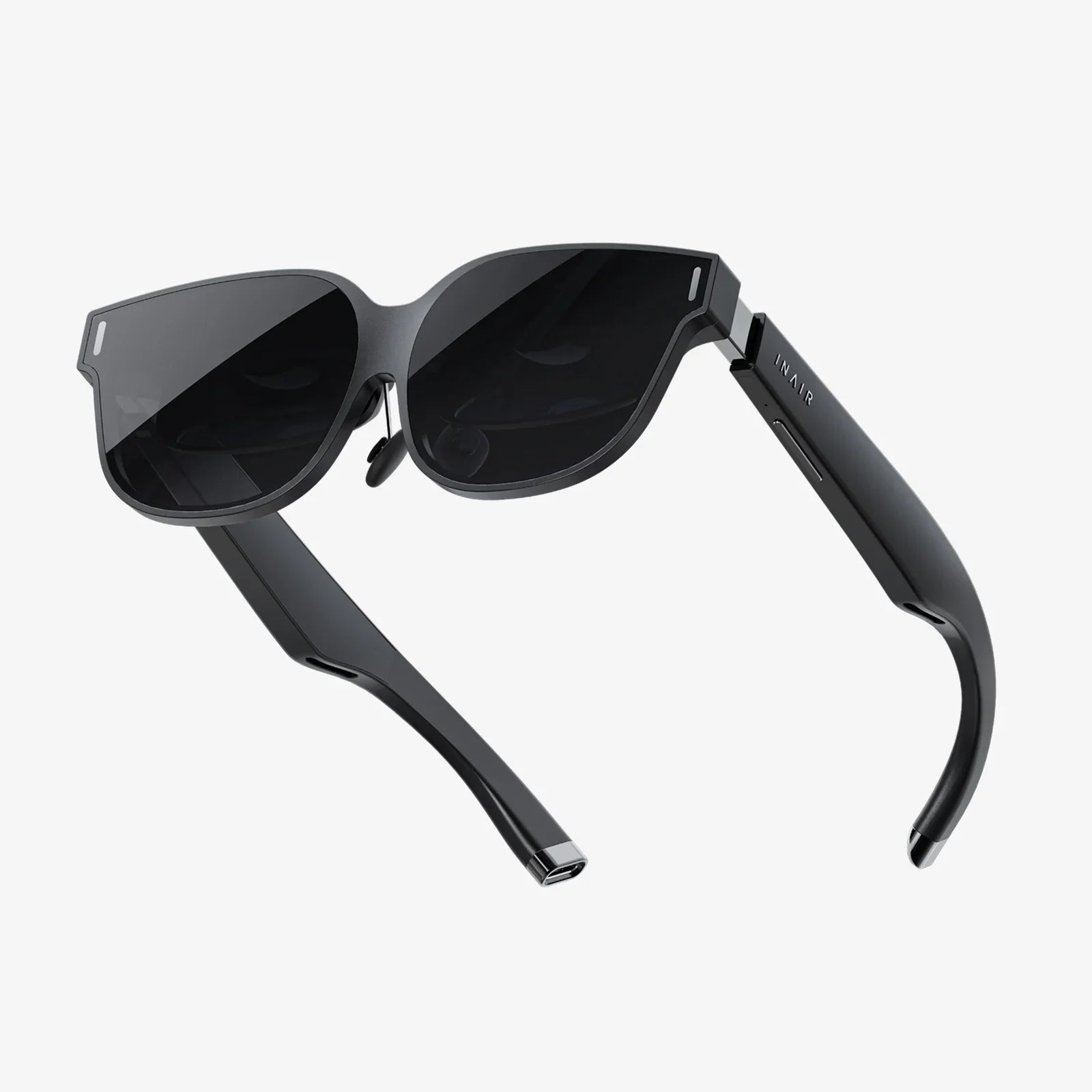
We are moving towards a world where virtual reality is not a separate activity but a layer integrated into our daily lives. It will be a utility for work, a portal for social connection, a canvas for artists, and a lab for scientists. It will change how we learn, how we heal, how we create, and how we connect with others across the globe. The headset will become smaller, more powerful, and eventually, perhaps, indistinguishable from ordinary eyewear.
The revolution is not coming; it is already here, quietly unfolding in laboratories, operating rooms, classrooms, and design studios around the world. The potential of high tech virtual reality is limited not by technology, but by our own imagination. It challenges us to dream bigger, to redefine what is possible, and to carefully, thoughtfully, build a new world—or rather, infinite new worlds—within our own.
This is more than just another gadget; it's a gateway to experiences that were once confined to our dreams, a tool with the power to democratize expertise and erase physical limitations. The question is no longer if this technology will change everything, but how quickly we can adapt to harness its boundless potential for progress, connection, and human advancement.
Share:
Innovative Virtual Reality: Reshaping Reality and Redefining Human Experience
Future of AI Hardware: The Next Great Leap in Computing