


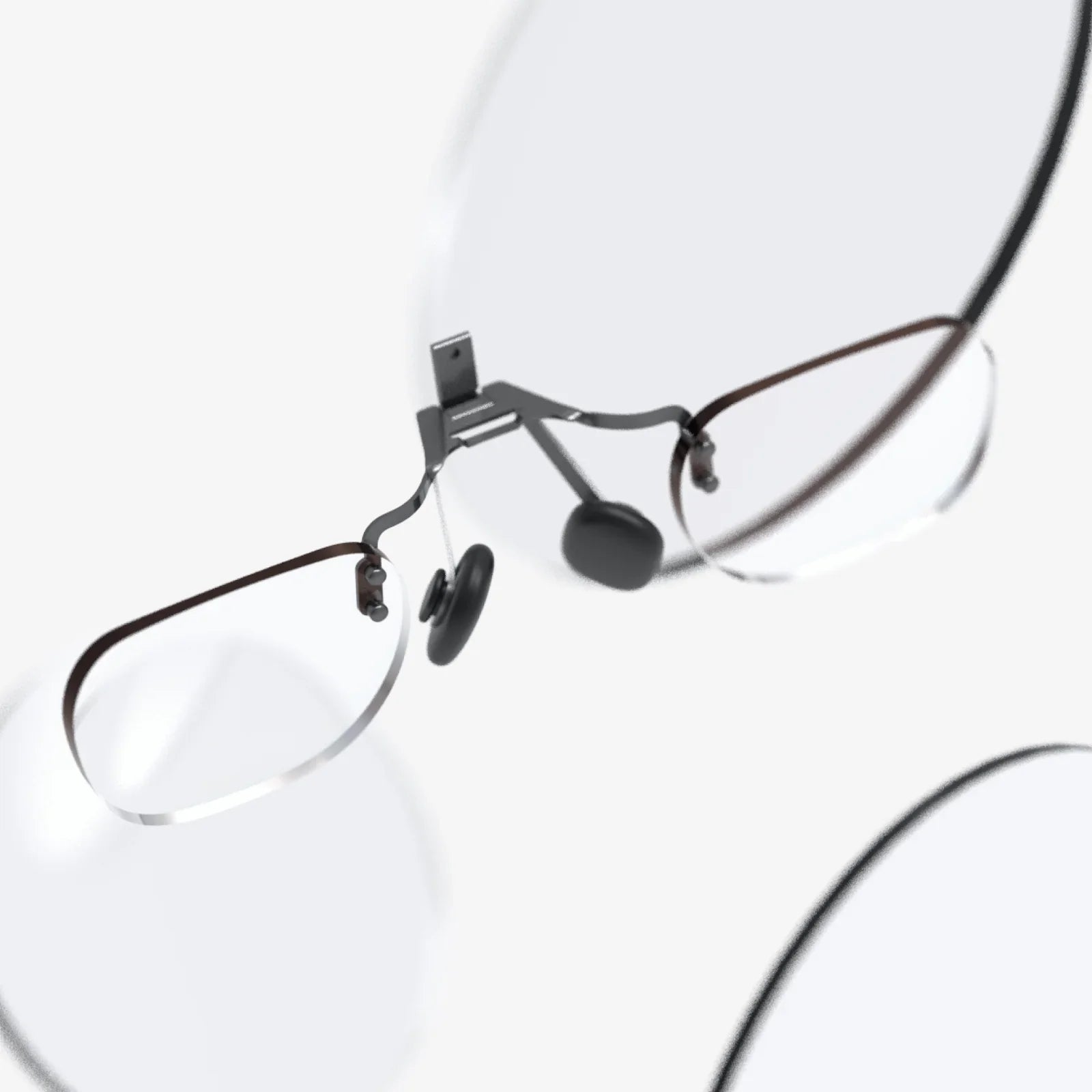
- by wangfred
High Tech VR Headset: The Ultimate Portal to New Realities
- by wangfred
Imagine slipping on a device and instantly being transported. The room around you dissolves, replaced by a breathtaking alien landscape, a meticulously recreated historical event, or a virtual meeting room where colleagues from across the globe feel like they’re sitting right beside you. This is no longer the stuff of science fiction; it is the palpable reality offered by the modern high tech VR headset. This technology has evolved from a clunky, niche novelty into a sophisticated portal, promising to redefine not just how we play, but how we work, learn, and connect. The journey into these digital realms begins with a single piece of hardware, a marvel of engineering that is unlocking human potential in ways we are only beginning to understand.
At its heart, a high-tech VR headset is a symphony of advanced components working in perfect harmony to deceive the senses and create a convincing illusion of presence. Understanding these core technologies is key to appreciating the marvel they represent.
The most direct interface between the user and the virtual world is the display. Early headsets suffered from the "screen door effect," where users could see the faint lines between pixels, shattering immersion. Today's high-tech headsets employ ultra-high-resolution displays, often using fast-switch LCD or vibrant OLED panels. These screens boast pixel densities that make individual pixels indistinguishable to the human eye, resulting in stunningly sharp and clear visuals.
Coupled with this is a wide field of view (FOV). A limited FOV feels like looking through a pair of binoculars, constantly reminding you that you're wearing a headset. Advanced optics, including custom aspherical and Fresnel lenses, now push the FOV much wider, encompassing your peripheral vision and deepening the sense of being "inside" the experience. Furthermore, a high refresh rate—90Hz, 120Hz, and now even 144Hz and beyond—is critical. This ensures motion appears buttery smooth, drastically reducing the latency that can cause motion sickness and making the virtual environment feel responsive and real.
For the virtual world to react to you, the headset must know precisely where you are and how you are moving. This is achieved through sophisticated tracking systems.
Beyond head tracking, controller tracking is equally vital. Whether through the headset's cameras or external sensors, the system must accurately map the position of your hands, allowing you to reach out, grab, throw, and manipulate virtual objects with intuitive, natural movements.
Visuals are only part of the story. Immersion is shattered if sound feels disconnected. 3D spatial audio is a game-changer. By using advanced head-related transfer function (HRTF) algorithms, the headset can simulate sounds coming from specific points in 3D space around you. A whisper from your left, footsteps behind you, or the roar of a crowd above—all feel authentically placed within the environment, providing crucial auditory cues that ground you in the experience.
Similarly, haptic feedback provides the sense of touch. This begins with the controllers, which rumble and pulse to simulate everything from the recoil of a weapon to the gentle impact of a virtual basketball. The frontier of haptics is expanding to include haptic vests, gloves, and even full-body suits that can simulate pressure, impact, and temperature, pushing immersion into entirely new territory.
A headset is merely a shell without the software and content that bring it to life. The ecosystem surrounding high-tech VR is what transforms it from a tech demo into a transformative platform.
The market is broadly split into two categories, each with distinct advantages:
The value of any platform is measured by its content. The VR software library has exploded, offering far more than just games:
The rise of high-tech VR is not just a technological shift; it's a societal one with profound implications.
VR's unique ability to induce a sense of "presence"—the feeling of actually being in a virtual space—is its most powerful asset. This has incredible potential for fostering empathy. Experiences that allow you to see the world through another person's eyes, perhaps someone facing adversity or living in a different culture, can create deeper understanding than any other medium. In a professional context, it can make remote collaboration feel natural and effective, potentially reducing the need for travel and reshaping the concept of the workplace.
For all its advances, VR still faces hurdles. Motion sickness, caused by a disconnect between visual motion and physical stillness, remains an issue for some users, though improvements in refresh rate, resolution, and reduced latency are steadily mitigating it. The form factor of headsets, while improving, still needs to become lighter, more comfortable, and more aesthetically appealing for long-term use.
Furthermore, the cost of high-end tethered setups, which requires both an expensive headset and a powerful computer, remains a barrier to entry for many. While standalone headsets are more accessible, achieving true photorealistic graphics and all-day comfort for the mass market is the industry's next great challenge.
The pace of innovation in VR shows no signs of slowing. Several emerging technologies are poised to make the next generation of headsets even more revolutionary.
The line between the digital and the physical is not just blurring; it is being intentionally and masterfully woven together by the relentless advance of this technology. We are moving beyond simply observing content on a screen and stepping into it, becoming active participants in digital worlds. The high tech VR headset is the key to this paradigm shift, a device that challenges our very perception of reality and offers a glimpse into a future limited only by our imagination. This is just the beginning of a new chapter in human-computer interaction, and the invitation to step through the portal has never been more compelling.
Share:
What Does The Inside Of A VR Headset Look Like? A Deep Dive Into Virtual Reality's Core
VR Headset Smallest: The Big Future of Micro-Display Technology