


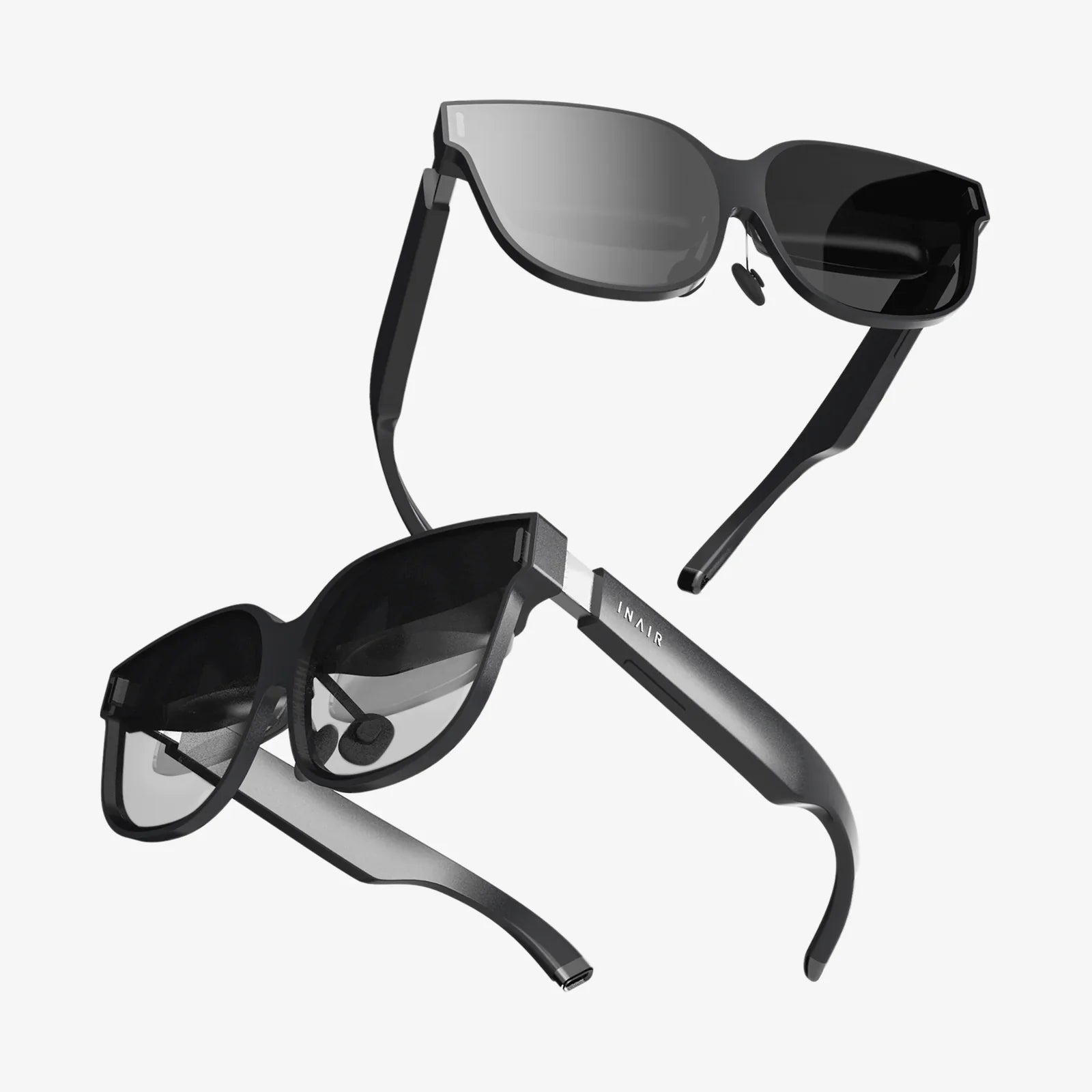
- by wangfred
Hologram Holographic Display The Future of Visual Interaction is Here
- by wangfred
Imagine a world where your digital assistant appears as a life-like figure across the room, patiently waiting for your command. Envision a surgeon manipulating a intricate, three-dimensional model of a patient's heart, floating in the sterile air of the operating theater, before making a single incision. Picture a car designer walking around a full-scale, photorealistic prototype of a new vehicle, evaluating curves and lines that exist only as light, without a single piece of metal being bent. This is not a scene from a science fiction epic; this is the imminent future being forged today by the rapid advancement of hologram holographic display technology. This technology promises to shatter the two-dimensional screens that have confined our digital lives for decades, ushering in an era of immersive, intuitive, and revolutionary visual interaction.
To understand the potential of modern holographic displays, it's crucial to distinguish the science from the science fiction. The term "hologram" often conjures images of Princess Leia pleading for help from R2-D2—a fully formed, free-standing image visible from every angle. While this remains the ultimate goal, most current technology operates on principles that create a convincing holographic effect.
At its core, a true hologram is a photographically recorded interference pattern of light waves. Unlike a standard photograph that captures only the intensity (amplitude) of light, a hologram captures both the intensity and the phase of the light waves reflected from an object. This phase information is what gives a hologram its three-dimensional quality, allowing the perspective to change as the viewer moves around it. The classic holograms found on credit cards and passports are reflection holograms, requiring a laser light source to reconstruct a static 3D image.
Modern holographic displays, however, are dynamic systems designed to create that same sense of depth, volume, and parallax for digital content. They generally fall into several categories, each with its own approach to bending light to its will:
The common thread is the manipulation of light. Whether through reflection, refraction, or precise wavefront reconstruction, the goal is to control photons in such a way that they converge in space to form a visible image with real depth cues, freeing information from the prison of the screen.
The value of holographic display technology extends far beyond dazzling spectacle. Its ability to represent complex spatial data and facilitate natural interaction is already finding profound applications across a wide range of fields.
In the high-stakes world of medicine, depth and precision are everything. Holographic displays are emerging as a powerful tool for diagnosis, surgical planning, and medical training. Surgeons can now examine detailed holograms of a patient's anatomy derived from CT or MRI scans, allowing them to "walk through" a organ, identify problem areas, and rehearse complex procedures before ever touching a scalpel. This can lead to shorter operation times, reduced risk, and improved patient outcomes. Furthermore, medical students can learn anatomy by interacting with true-to-life 3D models of the human body, dissecting layers and systems in a way that textbooks and 2D screens could never allow.
The design process is being fundamentally reshaped. Automotive and aerospace engineers can collaborate around a full-scale holographic prototype, identifying design flaws and ergonomic issues early in the development cycle, saving millions in prototyping costs. Architects can walk their clients through a holographic rendering of a building, experiencing the flow of space and the play of light in a profoundly intuitive way. On the factory floor, complex assembly instructions can be projected as holographic overlays directly onto machinery, guiding technicians through each step and reducing errors.
The flat, often awkward, video call is ripe for disruption. Holographic telepresence aims to create the illusion that a person is in the room with you, making remote collaboration feel truly present. Imagine a board meeting where participants from around the world appear as life-sized holograms around the table, able to make eye contact and use natural gestures. This level of immersion could bridge geographical divides, foster deeper human connection, and redefine the concept of remote work.
The entertainment industry is an obvious and eager adopter. Concerts featuring "resurrected" performers or entirely digital artists are becoming more common. Museums can bring artifacts and historical figures to life, creating immersive educational experiences. In retail, customers could see a holographic version of themselves wearing different outfits or visualize how a new piece of furniture would look in their living room at full scale, transforming the online shopping experience.
Despite the exciting progress, significant hurdles remain before Princess Leia-style holograms become a household reality. These challenges are both technical and practical.
Overcoming these obstacles will require breakthroughs in computational algorithms, optical materials, and display hardware. However, the relentless pace of innovation in fields like AI (for optimizing calculations), photonics, and nanotechnology gives experts confidence that these barriers will eventually fall.
Looking ahead, the trajectory of holographic display technology points toward a world where the line between the digital and the physical becomes increasingly blurred. We are moving towards displays with wider viewing angles, higher resolutions, and eventually, the ability to create tactile feedback—allowing users to not only see but also "feel" a holographic image. The concept of the "holodeck" may remain fictional, but persistent, interactive holographic objects in our living spaces could become a reality.
The ultimate goal is the creation of a digital holographic workspace, where all our digital tools—screens, keyboards, control panels—are rendered in light around us, customizable and responsive to our gestures and voice. This would represent the final step in human-computer interaction, moving from a tool we look at to an environment we exist within.
The journey from flickering images on a cave wall to the potential of light-based interfaces represents a fundamental evolution in human communication and expression. Hologram holographic display technology is not merely an incremental upgrade to the television or the smartphone; it is a foundational shift. It is the key to unlocking a new dimension of interaction, one that aligns with our innate, three-dimensional perception of the world. It promises to make the digital world less abstract and more tangible, less distant and more present. The screen, as we know it, is beginning to fade, and in its place, a new world is coming into focus—a world built not of pixels, but of pure light.
Share:
Hologram Computer Display The Future of Visual Interface Technology
Most Expensive VR: A Deep Dive into the Pinnacle of Immersive Technology