


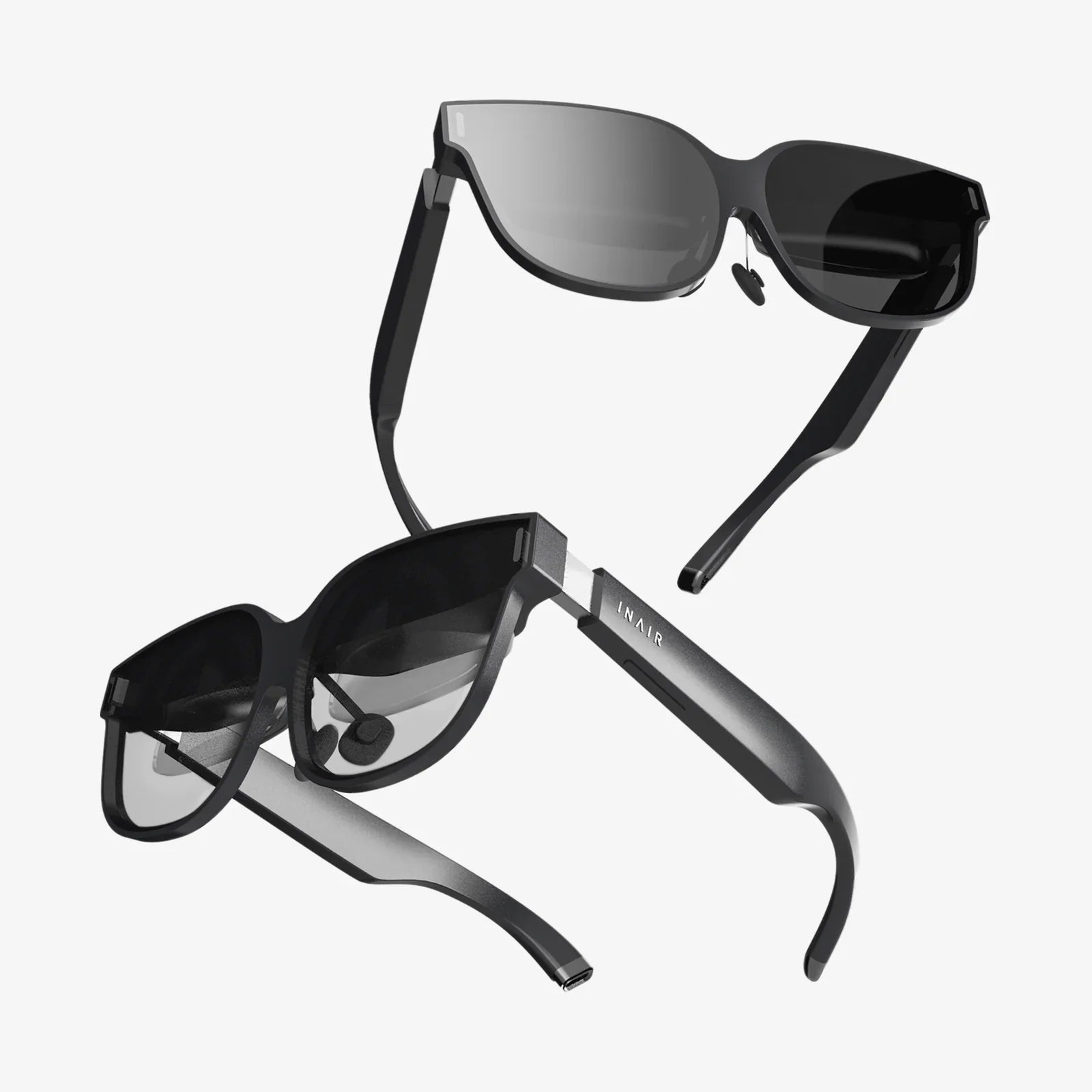
Imagine a world where a revered historical figure can step out of the pages of a textbook to deliver a lecture in your classroom, where a surgeon in a metropolitan hospital can guide a complex procedure in a remote village clinic without being physically present, or where you can examine a life-sized, three-dimensional model of a new car from every conceivable angle without it ever setting a wheel in the showroom. This is not a scene from a science fiction film; it is the tangible, rapidly approaching future being unlocked by holographic display technology, and India is poised to become one of its most dynamic and significant arenas.
The Genesis: From Sci-Fi Fantasy to Subcontinental Reality
The concept of holography has long captivated the human imagination, but its journey from a theoretical marvel to a commercially viable display technology has been a gradual one. In India, the initial forays into this domain were largely confined to academic research institutions and high-budget spectacle events, such as political rallies and major entertainment awards, where the ‘wow’ factor justified the substantial investment. These early systems often relied on a technique called ‘Pepper’s Ghost,’ a centuries-old illusion that uses glass and angled lighting to create a ghostly, semi-transparent image. While effective for creating a sense of wonder, it was a far cry from the true, volumetric, glasses-free holograms that technology promises.
However, the last decade has witnessed a paradigm shift. The convergence of several critical factors has propelled holographic display in India from a niche novelty to a technology with serious industrial and societal applications. The driving forces are multifaceted, creating a perfect storm for innovation and adoption.
The Catalysts: Why India is the Perfect Breeding Ground
The Indian market presents a unique and fertile ground for the proliferation of holographic technology. Unlike more mature markets, India has the advantage of a massive, digitally hungry population and an economy that is leapfrogging traditional technological stages. The proliferation of affordable high-speed data, the government's aggressive push towards digitalization through initiatives like ‘Digital India,’ and a thriving startup ecosystem have created an environment ripe for disruptive technologies.
Furthermore, India's vast geography and the pressing need to deliver high-quality services—be it education, healthcare, or governance—to its most remote corners make the value proposition of holography incredibly compelling. It offers a solution to the tyranny of distance, promising a level of telepresence that flat video conferencing simply cannot match. This need, combined with a growing pool of world-class engineering talent and a significant reduction in the cost of core components like spatial light modulators and lasers, has moved holographic display from the fringes to the forefront of technological discussion.
Beyond the Spectacle: Real-World Applications Taking Root
The true measure of a technology's success lies not in its ability to astonish, but in its capacity to solve real-world problems. Holographic display in India is beginning to demonstrate this value across a diverse range of sectors.
Revolutionizing Education and Remote Learning
The Indian education system, with its challenge of scale and quality, stands to benefit immensely. Imagine a renowned physicist delivering a lecture on quantum mechanics as a life-like hologram simultaneously to students in dozens of colleges across the country, able to interact with them in real-time and manipulate 3D models of atoms and molecules. Complex anatomical structures, geological formations, and historical artifacts can be rendered in stunning detail, transforming abstract concepts into tangible, interactive experiences. This has the potential to democratize high-quality education, making the best teachers accessible to students regardless of their geographic or socioeconomic status.
Transforming Healthcare and Telemedicine
In healthcare, the applications are nothing short of revolutionary. Medical training can be overhauled with holographic representations of the human body, allowing students to ‘walk through’ a beating heart or a neural network. For telemedicine, a specialist's hologram could ‘appear’ in a rural clinic, not just on a screen but as a seemingly physical presence, able to point to specific areas on a patient's body or a diagnostic scan. This enhances communication, builds patient trust, and improves the accuracy of remote diagnoses. Surgeons could overlay holographic guides onto a patient during an operation, or mentor a junior colleague from thousands of miles away with a level of spatial precision that 2D video cannot provide.
Redefining Retail, Marketing, and Design
The consumer and industrial sectors are also embracing this change. Automotive and interior design companies are using holographic displays for product visualization, allowing clients to customize and explore designs in a fully immersive 3D space before a single physical prototype is built. Retail is on the cusp of a transformation, with virtual try-ons for apparel, jewelry, and eyewear moving beyond tablet screens to life-sized holographic mirrors. Marketing campaigns are leveraging the unparalleled engagement of holograms at launch events and in high-footfall areas, creating memorable brand interactions that cut through the noise of traditional advertising.
Powering Enterprise and Industrial Design
Beyond consumer-facing applications, enterprise solutions are a major growth area. Architects and civil engineers can project holographic models of buildings onto physical sites, enabling better planning and stakeholder buy-in. Manufacturing teams scattered across different locations can collaborate on a single, full-scale 3D model of a new component, identifying potential design flaws long before the manufacturing process begins. This collaborative, immersive design process can drastically reduce costs and accelerate time-to-market.
The Hurdles on the Path: Challenges to Widespread Adoption
Despite the immense potential, the path to mainstream adoption of holographic display in India is not without its significant obstacles. The most prominent barrier remains cost. The advanced hardware, software, and processing power required for true, high-fidelity holograms are still prohibitively expensive for most educational institutions, small businesses, and individual consumers.
There is also a substantial software and content challenge. Creating compelling 3D holographic content requires a different skill set and toolchain than traditional 2D media. The ecosystem for content creation is still in its infancy, leading to a scarcity of available material, which in turn slows down adoption. Furthermore, the technology itself is still evolving. Issues like limited viewing angles, the need for high bandwidth for real-time transmission, and achieving perfect visual fidelity without artifacts are active areas of research and development.
Finally, a lack of widespread awareness and understanding of the technology's practical applications beyond entertainment means that many potential users in enterprise and government have yet to fully appreciate its return on investment, slowing procurement and integration.
The Road Ahead: A Collaborative and Bright Future
The future of holographic display in India is inextricably linked to collaboration. Academia must continue to push the boundaries of research in photonics and computing. The startup ecosystem needs support to innovate and drive down costs through indigenous solutions. Policymakers must create frameworks that encourage experimentation and integration in public services. Most importantly, industry leaders across sectors—from healthcare to automotive—must partner with technology providers to pilot and develop use cases that prove the technology's tangible value.
As these forces align, we will see the technology become more accessible, affordable, and powerful. We will move from single, staged displays to environments where interactive holograms are an integral part of our workspaces, homes, and public areas. The line between the digital and physical worlds will continue to blur, creating new paradigms for human-computer interaction.
The shimmering, three-dimensional future that once existed only in our collective imagination is now materializing across India, not as a mere trick of the light, but as a powerful tool for connection, education, and innovation. The stage is set, the technology is advancing at a breakneck pace, and the potential for impact is limitless—this is just the beginning of India's holographic revolution.
Share:
New Smart Devices 2025: The Dawn of Ambient, Predictive, and Autonomous Living
Things for VR: The Ultimate Guide to Essential Gear and Immersive Accessories