


Imagine pointing your device at the iconic skyline of Victoria Harbour and watching it come alive. A colossal, shimmering dragon weaves between skyscrapers, a historical junk ship sails past modern ferries in a ghostly hologram, and real-time data about air quality and maritime traffic floats gently in the air. This is not a scene from a science fiction film; it is the burgeoning reality of Hong Kong's AR (Augmented Reality) landscape, a powerful fusion of the city's relentless energy and cutting-edge digital innovation that is poised to redefine every facet of life in the metropolis.
The Perfect Storm: Why Hong Kong is an AR Breeding Ground
Hong Kong did not stumble into its position as a potential global leader in AR adoption; it was almost a predetermined destiny, created by a unique confluence of factors. The city possesses a rare and powerful alchemy that makes it the ideal testbed for this immersive technology.
First, and most fundamentally, is its world-leading technological infrastructure. Hong Kong boasts some of the fastest and most widespread mobile internet connectivity on the planet. This high-bandwidth, low-latency network is the absolute lifeblood of sophisticated AR applications, which require the seamless streaming of complex 3D models and real-time data without frustrating lag or buffering. Furthermore, smartphone penetration is amongst the highest globally, meaning the primary device for accessing AR is already in nearly every citizen's pocket. This eliminates a significant barrier to entry faced by other regions.
Second is its unique urban density. Hong Kong's verticality and compact urban environment create a dense canvas for digital overlays. Unlike sprawling metropolises, a single city block in Central or Tsim Sha Tsui contains a multitude of shops, restaurants, historical markers, and public art installations. AR can attach a layer of information, narrative, and interaction to each of these points, transforming the entire city into a hyper-connected, interactive storybook. The physical space is already information-dense; AR simply unlocks it.
Finally, there is the cultural appetite. Hong Kong is a society built on commerce and efficiency, but it is also a community with a deep-seated respect for tradition and a voracious appetite for the new. This creates a fascinating dichotomy: a population eager to adopt technology that makes life more convenient and entertaining, while also seeking new ways to connect with its cultural roots. AR sits perfectly at this intersection, offering tools for revolutionary retail experiences while also providing a novel medium for cultural preservation and storytelling.
Transforming the Retail Therapy Experience
The most immediate and visible application of Hong Kong's AR revolution is in the realm of commerce. In a city that lives and breathes retail, AR is becoming a powerful tool to entice consumers, streamline shopping, and create unforgettable brand experiences without ever mentioning specific names.
Virtual Try-On and Preview: The cramped spaces of many Hong Kong apartments make large purchases a considered decision. AR apps now allow consumers to see how a piece of furniture would look and fit in their actual living room. They can project a life-sized virtual sofa, change its fabric color in real-time, and walk around it, all through their device's screen. Similarly, fashion retailers are leveraging AR mirrors and apps, enabling shoppers to "try on" everything from glasses and makeup to clothing without ever entering a changing room, a significant advantage in a fast-paced environment.
Interactive Shopping Districts: Entire shopping malls and streets are being enhanced. By pointing their phones at a storefront, shoppers can see exclusive digital promotions, watch short videos about products, or even unlock interactive games that offer discounts. This turns a simple shopping trip into an engaging scavenger hunt, driving foot traffic and increasing dwell time in physical stores—a crucial metric in a competitive market.
A Bridge Across Time: Heritage and Cultural Preservation
Beyond commerce, perhaps the most profound impact of AR is occurring in the cultural sphere. Hong Kong is a city where a thousand-year-old fishing village culture collides with a twentieth-century British colonial past and a twenty-first-century global financial future. This rich, layered history is often physically obscured by relentless development. AR is becoming the tool to peel back those layers and make the past visible again.
Historical societies and museums are developing applications that allow users to point their devices at specific locations and witness historical events unfold. Imagine standing in a quiet, modern square and seeing black-and-white footage of the same location from the 1960s overlaid onto the present, with rickshaws pulling past and vendors in period dress. Or viewing the old Kowloon Walled City through your screen, its chaotic, infamous structure digitally reconstructed on the empty park that now exists in its place.
This technology offers an emotionally resonant form of education. It moves beyond static plaques and museum dioramas, creating an empathetic connection to history by placing the user directly within the scene. For a younger, digitally-native generation, this immersive method is far more effective for conveying the city's complex narrative and ensuring its stories are not forgotten amidst the glass and steel.
Navigating the Urban Maze
Hong Kong's complex topography, with its multi-level pedestrian walkways, underground passages, and stacked buildings, can be disorienting even for long-term residents. AR is set to revolutionize wayfinding, making the city more accessible and navigable for everyone.
Next-generation AR navigation apps will project colorful, intuitive paths and arrows directly onto the real world through the user's screen. Instead of looking down at a 2D map and then up to orient yourself, the direction to your destination—be it a restaurant on the third floor of a building or a specific tram stop—is painted onto the sidewalk in front of you. This can include useful information like estimated walk times, the location of escalators and elevators, and even crowd-sourced data on congestion.
For public transport, holding a phone over a bus stop or MTR map could instantly translate route information and display the wait time for the next vehicle. This seamless integration of digital information into the physical environment reduces friction and stress, making movement through the city smoother and more efficient.
The Invisible Engine: AR in Industry and Logistics
While consumer-facing applications are flashy, a quiet revolution is happening in Hong Kong's industrial and logistics sectors. The city's port, one of the busiest in the world, is deploying AR to staggering effect. Warehouse workers equipped with AR smart glasses can see digital picking lists superimposed on their visual field, directing them to exact shelf locations and highlighting the correct items, drastically reducing errors and speeding up fulfillment times.
In maintenance and repair, technicians can use AR to look at a complex piece of machinery and see animated, step-by-step repair instructions overlaid on the actual components, with arrows pointing to specific bolts and warnings highlighting potential hazards. This allows for faster, more accurate repairs and empowers less experienced workers to perform complex tasks with expert guidance digitally streamed into their field of view.
Challenges on the Road to a Blended Reality
Despite the immense potential, the path to a fully realized AR-powered Hong Kong is not without its obstacles. These challenges are as much about society and regulation as they are about technology.
Privacy and Data Security: AR applications, by their very nature, are data-hungry. They often require camera access and location data to function. This raises significant questions about what data is being collected, how it is being used, and who owns it. The constant scanning of public and private spaces could lead to unprecedented surveillance if not properly regulated. Clear and robust data protection frameworks, developed through public discourse, are essential to build trust and prevent misuse.
Digital Divide and Accessibility: While smartphone penetration is high, creating truly inclusive AR experiences requires consideration for those who may not have the latest devices or the digital literacy to engage with them. Furthermore, applications must be designed with accessibility in mind for users with different physical abilities to ensure this new layer of reality does not inadvertently exclude portions of the population.
Visual Pollution and Real-World Disruption: If every corporation and entity vies for digital real estate in our field of view, the cityscape could become a chaotic and overwhelming barrage of advertisements and notifications. Thoughtful urban planning for the digital layer, perhaps through digital zoning rules, will be necessary to prevent AR from becoming a visual nuisance that detracts from, rather than enhances, the physical environment.
The Future is Layered: What's Next for Hong Kong's AR?
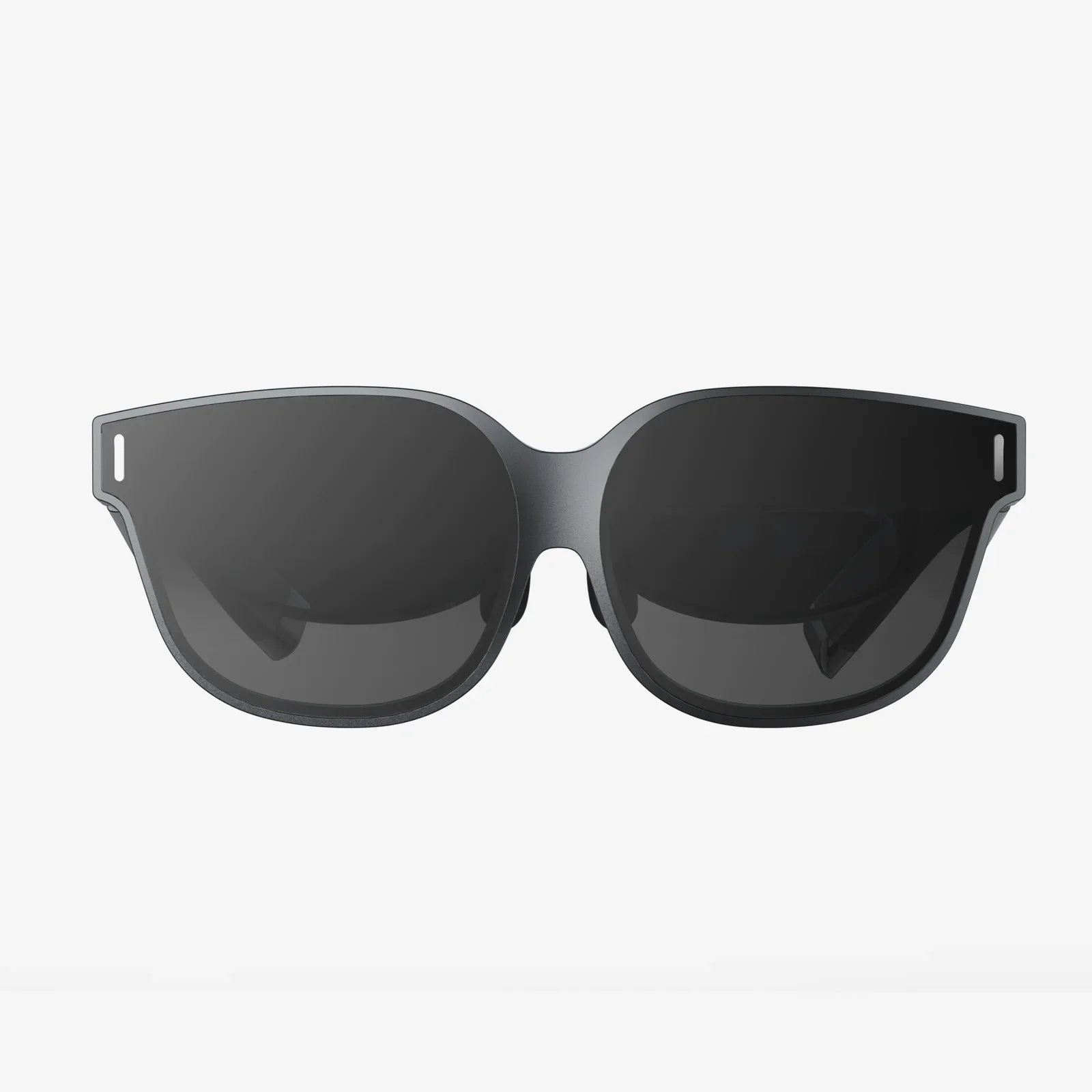
The current state of AR, primarily experienced through smartphone screens, is merely the prelude. The next evolutionary step is towards wearable technology like sleek AR glasses that will make the blend between digital and physical seamless and hands-free. This will unlock even more powerful applications, from real-time language translation displayed over street signs to instant social networking, where a user's digital profile and shared content are visible to those who "opt-in" to see them at an event or meeting.
Hong Kong, with its unique blend of characteristics, is positioned not just to adopt this future but to actively shape it. It can become a living laboratory where the rules, ethics, and best practices for urban AR are written. The city's journey with this technology is a story of a global metropolis reaching into the digital ether to pull down a new layer of existence, weaving it into the very fabric of its streets, its culture, and its identity.
The shimmering dragon over Victoria Harbour is no longer a distant dream. It is a symbol of a city actively constructing its future, one digital layer at a time. The question is no longer if AR will change Hong Kong, but how deeply we will allow it to enhance our reality, challenge our perceptions, and reconnect us with the countless stories embedded in its concrete, its mountains, and its sea.
Share:
Wearable Tech Under 50: Your Ultimate Guide to Affordable Smart Gadgets
Disadvantages of Wearable Devices: The Hidden Costs of Being Connected