


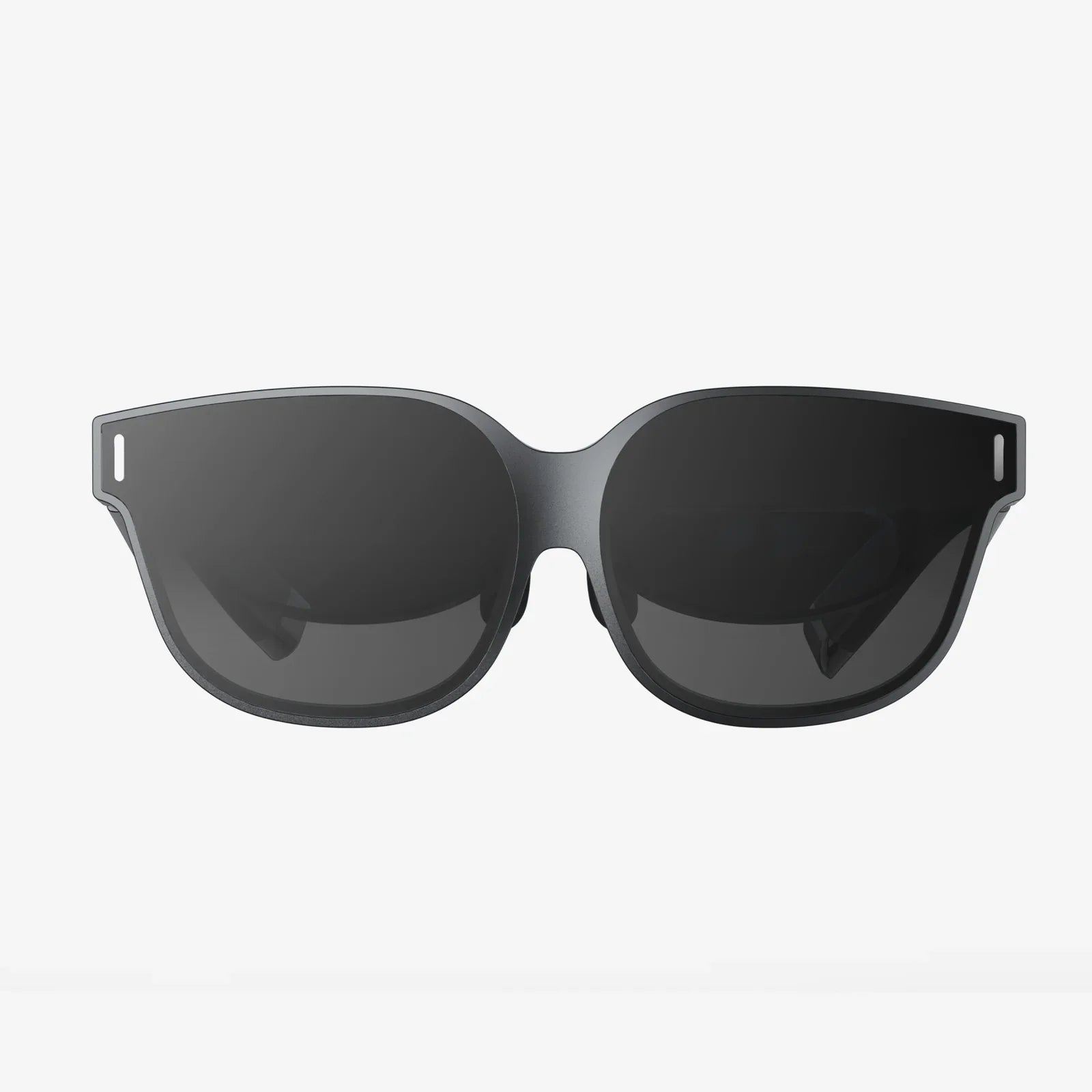
Staring at screens, driving at night, or simply trying to make eye contact without your lenses shining like headlights—if you’ve ever been frustrated by glare, you’ve likely wondered about the secret to perfectly clear vision. The answer often lies in a seemingly magical, microscopic layer applied to eyeglass lenses: anti-reflective coating. But not all coatings are created equal. Navigating the world of optical enhancements can feel like deciphering a complex code. This definitive guide cuts through the jargon and provides a clear, actionable roadmap to ensure you walk away with the absolute best AR coating for your specific needs, lifestyle, and budget. Forget the guesswork; it's time to see the world with unparalleled clarity.
Demystifying Anti-Reflective Coating: More Than Just Reducing Glare
Before embarking on the quest for the best coating, it's crucial to understand what it is and what it does. At its core, AR coating is a complex, multi-layer film applied to the front and back of a lens. Its primary job is to cancel out reflected light through the principle of wave interference. When light hits an uncoated lens, a significant percentage—often up to 8-10% per surface—is reflected away, causing distracting glare and reducing the amount of light that actually reaches your eyes.
The sophisticated stack of metallic oxide layers in a high-quality AR coating is engineered so that the light waves reflecting off the different layers interfere with and cancel each other out. The result? More light passes through the lens, providing you with sharper, clearer, and more comfortable vision. The benefits extend far beyond just eliminating the "white-out" effect when being photographed:
- Enhanced Visual Acuity: By maximizing light transmission, AR coating reduces eye strain, especially during prolonged tasks like reading, computer work, or night driving.
- Improved Aesthetics: It eliminates the distracting reflections that hide your eyes, allowing for better, more natural social and professional interactions.
- Superior Night Vision: It drastically cuts down on halos and starbursts around headlights and streetlights, making driving after dark significantly safer and less taxing.
- Durability Synergy: Premium AR coatings are almost always paired with other top-tier treatments, such as scratch-resistant and hydrophobic coatings, creating a comprehensive protective system for your lenses.
The Hallmarks of a Superior AR Coating: What to Actually Look For
The term "best" is subjective, but in the optical world, it is defined by a combination of performance, durability, and aesthetics. When evaluating an AR coating, you should insist on these non-negotiable qualities:
1. Exceptional Optical Performance
The primary metric is residual reflectance. A standard coating might leave a noticeable green or blueish reflection. The best coatings have a residual reflectance of less than 0.5% across the entire visual spectrum, resulting in a very faint, neutral-colored remnant reflection (often a soft green or magenta) that is barely perceptible. This ultra-low reflectance is what provides that truly crystal-clear, "no-lens" feeling.
2. Multi-Layer Hydrophobic and Oleophobic Properties
A top-tier coating isn't just about light; it's also about repelling the elements. A superior hydrophobic top layer causes water to bead up and roll off the lens, taking dust and dirt with it. An oleophobic element repels skin oils and fingerprints, making your glasses dramatically easier to clean and keeping them smudge-free for longer. This isn't just a convenience feature; it directly contributes to clearer vision throughout the day.
3. Unmatched Durability and Scratch Resistance
An AR coating is only good if it lasts. The finest coatings are incredibly resilient, often tested to withstand repeated cleaning and daily wear and tear. They are baked onto the lens in a process called vacuum deposition, creating a permanent bond that is much harder to damage than cheaper, dipped-on coatings. Always ask about the coating's warranty; a lifetime warranty against peeling and delamination is a strong indicator of quality.
4. Ease of Cleaning and Maintenance
The combination of hydrophobic and oleophobic properties in a durable matrix means that high-end AR coatings simply don't attract grime as easily. When they do need cleaning, a quick rinse with mild soap and water or a gentle lens wipe is all it takes, reducing the risk of micro-scratches from abrasive cleaning attempts.
The Step-by-Step Blueprint: How to Ensure You Get the Best
Knowing what makes a coating great is one thing; securing it for yourself is another. Follow this proven process from start to finish.
Step 1: The Foundation - Start with High-Quality Lenses
The canvas is just as important as the paint. A premium AR coating must be applied to a high-quality lens material. Budget plastic lenses lack the optical clarity and surface integrity needed to support a high-performance coating. Invest in a good lens material—like high-index plastic for stronger prescriptions or polycarbonate for impact resistance—as your first step. The best coatings are optimized for these advanced materials, ensuring a perfect bond and optimal performance.
Step 2: The Research Phase - Decoding the Brands (Without Naming Names)
While we avoid specific brand names, understand that reputable optical labs develop their own proprietary coating systems. Your job is not to memorize names but to understand the technology tiers. Ask your optician:
- "Is this a premium, multi-layer coating applied via vacuum deposition?" (This ensures quality over a dipped coating).
- "What is the residual reflectance percentage?" (The lower, the better).
- "Does it include a permanent hydrophobic/oleophobic top layer?"
- "What is the warranty for this coating? Is it a lifetime warranty against peeling and scratching?"
Step 3: The Consultation - Partnering with a Knowledgeable Professional
This is the most critical step. Do not buy glasses online if your goal is the absolute best AR coating. The application process is precise and must be done in a controlled environment. Schedule a consultation with an independent optician or a reputable optical practice known for expertise, not just sales.
A true optical professional will act as a consultant. They will ask about your lifestyle: Do you work on a computer all day? Do you drive frequently at night? Are you outdoors often? Do you have issues with fingerprints or cleaning? Your answers will guide them to recommend the coating technology that best suits your life, not just the most expensive option.
Step 4: The Investment - Understanding the Cost Structure
Superior AR coating is an investment, often adding a significant cost to your lenses. Understand what you are paying for: years of research, advanced manufacturing, and a robust warranty. See it not as an accessory but as an integral part of your vision system. It enhances the functionality of your entire prescription. Weigh the cost against the benefits of reduced eye strain, improved night driving safety, and the daily comfort of pristine vision.
Step 5: The Care and Maintenance - Protecting Your Investment
Once you have your perfectly coated lenses, care for them properly. This will ensure they remain in "best" condition for years to come.
- Always rinse lenses with lukewarm water before wiping to remove abrasive dust.
- Use a microfiber cloth designed for lenses and clean it regularly.
- Use only the cleaning solutions recommended by your optician; avoid household glass cleaners, ammonia, or alcohol, which can degrade the coating over time.
- Store your glasses in a protective case when not in use; never place them lens-down on a surface.
Beyond the Basics: Advanced Coating Technologies to Consider
The pursuit of the best may also lead you to explore specialized coatings that build upon the foundation of premium AR.
Blue Light Filtering Coatings
Many top-tier AR coatings now integrate a blue light filter. This subtle tint blocks a portion of high-energy visible (HEV) blue light emitted from digital screens and LED lighting. While the full extent of the benefits is still being studied, many users report reduced digital eye strain and improved sleep patterns. The best versions of this technology are integrated directly into the lens material or the AR coating layers, preserving color neutrality and clarity far better than superficial after-market dips.
Photochromic Integration
For those who need prescription sunglasses, consider lenses that combine a premium AR coating with photochromic technology. These lenses darken automatically outdoors in response to UV light. The best part? The finest photochromic lenses now have the AR coating applied on top, ensuring they are just as anti-reflective as your clear lenses, eliminating glare even when they are dark. This is a vast improvement over older models where the two technologies could conflict.
Imagine a world where your vision is perpetually sharp, your eyes feel relaxed even after a long day, and your glasses are a seamless window to the world, free from annoying reflections and smudges. This isn't a fantasy; it's the tangible result of making an informed, deliberate choice to invest in the best optical technology available. By understanding the science, knowing what questions to ask, and partnering with a skilled optician, you hold the key to unlocking a profoundly better visual experience. Stop settling for average—your eyes deserve the unparalleled clarity and comfort that only a truly superior anti-reflective coating can provide.
Share:
Advanced AI Technology: Reshaping Reality and Redefining the Future
AI Powered Research: The Unseen Revolution Reshaping Human Discovery