


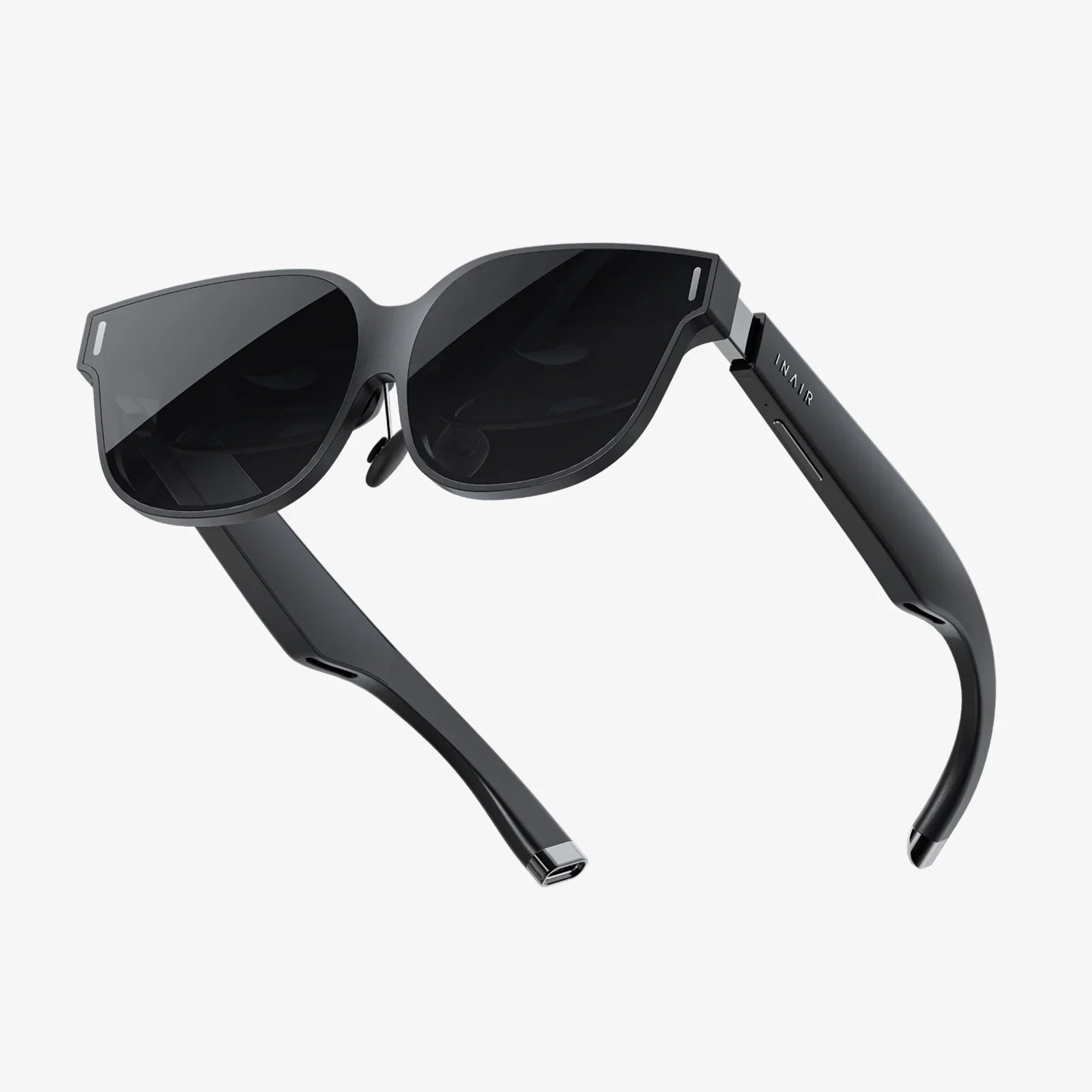
You've seen the breathtaking demos, heard the promises of a new digital frontier, and felt the pull of curiosity. But before you take the plunge into virtual reality, one burning question halts your journey: just how much does a ticket to this new reality actually cost? The answer is far from simple, hidden behind a veil of technical jargon and a spectrum of devices that range from shockingly affordable to prohibitively expensive. The price of a VR headset isn't just a number on a tag; it's a story of technology, capability, and the kind of experience you seek to unlock.
The Three Tiers of Virtual Reality: Finding Your Entry Point
The market for VR headsets has matured into three distinct categories, each with its own price bracket and target audience. Understanding these tiers is the first step to deciphering the cost.
1. The Budget-Conscious: Mobile & Standalone VR
This tier represents the most accessible point of entry into virtual reality. These headsets are typically self-contained, meaning all the necessary computing hardware is built directly into the headset itself. They are designed for ease of use, portability, and a relatively low barrier to entry.
What You're Paying For: You're investing in convenience and accessibility. The cost covers integrated processors, displays, batteries, and tracking sensors. The technology here is often a generation or two behind high-end PC-powered devices, prioritizing battery life and a fanless, quiet design over raw graphical power. Experiences are more akin to sophisticated mobile gaming or immersive media consumption rather than photorealistic simulations.
Price Range: The cost for a quality standalone headset from a major technology company typically starts around a few hundred dollars. You can expect to pay this amount for a device that offers a robust library of games, social experiences, and fitness applications without any additional hardware requirements.
2. The Enthusiast's Choice: PC-Powered VR Headsets
This tier is for those who seek the highest fidelity virtual reality experiences available today. These headsets act as a display and sensor portal, but all the heavy computational lifting is done by a powerful external computer.
What You're Paying For: The headset cost here is for superior components: high-resolution displays with fast refresh rates (90Hz and above), advanced inside-out or external tracking systems for pinpoint accuracy, wider fields of view, and often more comfortable, feature-rich designs with better audio solutions. The headset itself is just one part of the total investment.
The Hidden Cost - The PC: This is the most significant factor often overlooked. To run one of these headsets effectively, you need a computer with a powerful dedicated graphics card, a capable processor, and enough USB ports. This can easily represent a multi-thousand-dollar investment on its own, far exceeding the cost of the headset. Therefore, the true cost of entry into this tier is the headset price plus the cost of a VR-ready computer if you don't already own one.
Price Range: The headsets themselves in this category can range from several hundred to over a thousand dollars, representing a significant premium over standalone models due to their advanced, specialized hardware.
3. The Professional Frontier: Enterprise & Standalone Powerhouses
At the very top of the market sits a new category of devices that blur the line between standalone convenience and PC-powered performance. These are often marketed towards professionals, developers, and hardcore enthusiasts who demand the best of everything without being tethered to a computer.
What You're Paying For: These headsets incorporate cutting-edge technology like pancake lenses for a slimmer design, mini-LED displays for incredible contrast and color, and onboard processors that are a significant leap over standard standalone chips. They represent the absolute forefront of mobile VR technology, with prices reflecting their premium status and advanced feature set, which may include high-resolution color passthrough for augmented reality applications.
Price Range: This is the most expensive consumer-facing tier, with costs reaching well into the quadruple digits. You are paying for the privilege of owning the most advanced, self-contained technology on the market.
Deconstructing the Price Tag: The Components That Drive Cost
Beyond the tiered structure, the price of any individual headset is a sum of its parts. Several key components account for the bulk of the manufacturing cost, and advancements here directly influence the retail price.
Display Technology: The Window to Another World
The screens are arguably the most critical component. Resolution (pixels per eye), refresh rate (how smoothly the image updates), and the technology used (LCD, OLED, mini-LED) all play a huge role. Higher resolution and faster refresh rates require more powerful processors to drive them, creating a cycle of escalating cost. OLED screens offer perfect blacks but can be more expensive, while new mini-LED tech provides a great middle ground at a premium. The quest for a wider field of view also requires more complex and costly display solutions.
Lenses: Sharpening the Vision
Between your eyes and the displays are the lenses, which are responsible for focusing the image and creating the illusion of depth. Cheap, simple Fresnel lenses have been common but can cause god rays and glare. The latest high-end headsets are moving to aspherical or pancake lenses, which are more complex to manufacture but offer a much clearer, sharper image with a significantly reduced glare effect and a more compact headset design. This optical innovation is a major cost driver in newer models.
Tracking Systems: Knowing Where You Are
How the headset understands its position in space and the movement of your controllers is crucial for immersion. Early systems used external sensors (outside-in tracking) that had to be placed around the room, adding to the cost and setup complexity. Modern systems almost universally use inside-out tracking, with cameras mounted on the headset itself to map the environment. More cameras mean better tracking, less occlusion, and a higher cost. Advanced systems may also include eye-tracking and facial expression tracking, which are premium features found only on the most expensive consumer models.
Processing Power: The Brain of the Operation
For standalone headsets, the System-on-a-Chip (SoC) is the engine. A more powerful processor (like a flagship mobile chipset) allows for better graphics, more complex physics, and smoother performance, but it also increases power consumption, heat output, and cost. This is a major differentiator between budget and premium standalone devices.
Build Quality and Comfort
A headset made of cheap plastic with a basic strap and foam interface will cost less than one constructed from lightweight alloys, with a rigid, counterbalanced strap system, magnetic interface gaskets, and high-quality audio built into the headband. Comfort features, which are essential for longer play sessions, add material and manufacturing costs.
The True Total Cost of Ownership: Beyond the Headset
The initial purchase is rarely the end of the story. To understand the full financial commitment, you must consider the ecosystem and ancillary costs.
- The Software Library: VR games and applications are not free. While some experiences are cheap or free, the major titles often carry a price tag similar to traditional console games. Building a library of software is an ongoing expense.
- Accessories: The basic controllers are usually included, but you might want additional props, like a dedicated steering wheel for racing sims or a haptic vest for deeper immersion. Extra face gaskets for hygiene, prescription lens inserts for those who wear glasses, and upgraded head straps are all common purchases that add up.
- The PC Upgrade (For PCVR): As mentioned, this is the elephant in the room. If you don't already own a capable gaming rig, the cost of building or buying one must be factored into your decision to enter the PCVR space.
- Content Creation: For professionals and creators, the cost of software for developing VR experiences (like game engines or 3D modeling tools) can be substantial, though many have free tiers.
The Future of VR Pricing: A Trend Towards Accessibility or Fragmentation?
Looking ahead, the cost trajectory of VR is pulling in two different directions simultaneously. On one hand, the technology is maturing. Manufacturing processes improve, components become cheaper, and economies of scale start to kick in for more established product lines. This suggests that solid, entry-level VR experiences will continue to become more affordable, broadening the market significantly. We may see capable headsets offered at near-impulse-buy prices, bundled with services or other products.
On the other hand, the horizon is filled with cutting-edge technology that will command a premium. The push for varifocal displays (which adjust focus dynamically to reduce eye strain), haptic feedback in the headset itself, ever-higher resolutions, and more sophisticated augmented reality integration will ensure that there is always a high-end, expensive tier for early adopters and professionals. The market is likely to fragment further, with a clear divide between affordable mass-market devices and ultra-high-end professional ones, with less of a middle ground.
So, how does a VR headset cost? It costs exactly what the market will bear for the specific experience it delivers. It can be a modest investment for a novel toy or a profound commitment to a new platform for work and play. The final number on the receipt is just the beginning; the real value is measured in the worlds you'll explore, the skills you'll learn, and the new perspectives you'll gain. The door to these virtual realms is now more open than ever, and the key is waiting at a price point that might be closer than you think.
Share:
What Is AR on iPhone: A Comprehensive Guide to the Mobile Metaverse
What Is AR on iPhone: A Comprehensive Guide to the Mobile Metaverse