


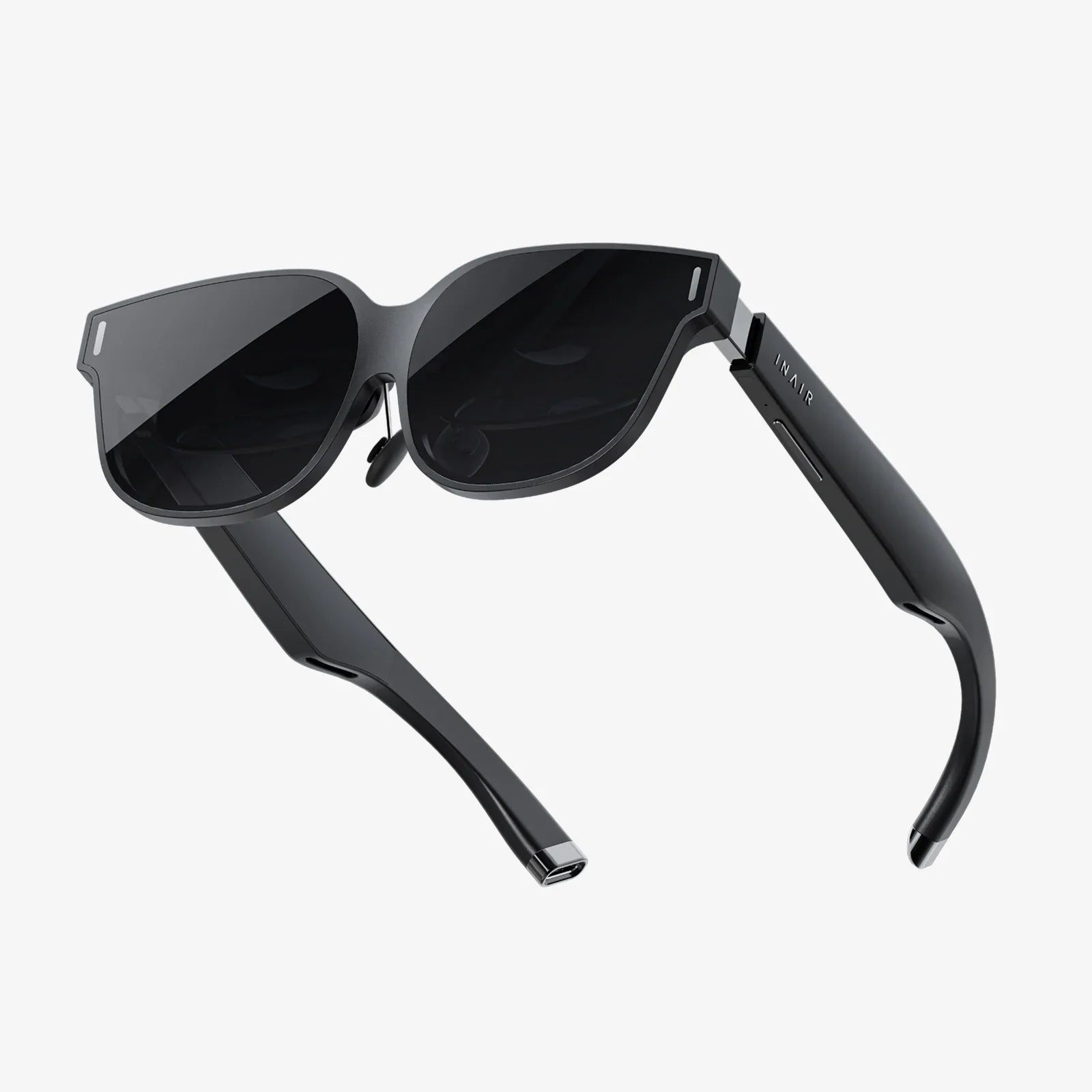
Imagine walking a client through a skyscraper that hasn't broken ground, training a surgeon on a complex procedure without a cadaver, or test-driving a new production line for a factory located on another continent—all from your office chair. This is not a glimpse into a distant future; it is the present-day reality for forward-thinking businesses harnessing the transformative power of Virtual Reality (VR). Beyond the buzz of gaming and entertainment, VR has emerged as a formidable business tool, creating immersive, interactive, and incredibly effective solutions to age-old corporate challenges. The question is no longer if VR will integrate into the business world, but how swiftly organizations can adapt to leverage its profound potential for growth, innovation, and connection.
The Foundation: Understanding Immersive Technology in a Corporate Context
At its core, Virtual Reality is a simulated experience that can be similar to or completely different from the real world. It typically employs a head-mounted display (HMD) and, often, motion-tracking sensors and handheld controllers to create a convincing, interactive 3D environment. For businesses, the value lies in this immersion. Unlike watching a video or reading a manual, VR places the user directly inside the scenario, engaging multiple senses and creating a powerful sense of presence. This psychological state, where the brain accepts the virtual environment as real, is the secret sauce that makes VR training so memorable, design reviews so insightful, and virtual meetings so connective.
The business adoption of VR is part of a broader spectrum of technologies known as extended reality (XR), which also includes Augmented Reality (AR) and Mixed Reality (MR). While AR overlays digital information onto the physical world (think of a heads-up display), VR constructs a entirely new digital reality. This ability to create controlled, repeatable, and safe environments from scratch is what unlocks its vast business potential, offering solutions that are not just incrementally better, but fundamentally different and more effective.
Revolutionizing Learning and Development: The Training Ground of the Future
Perhaps the most immediate and impactful application of VR in business is in the realm of employee training and development. Traditional training methods often struggle with engagement, knowledge retention, and the safe replication of high-stakes scenarios. VR elegantly solves these problems.
High-Risk Skill Mastery in a Zero-Risk Environment
Industries like manufacturing, energy, aviation, and healthcare are using VR to train employees on dangerous procedures without any real-world risk. Technicians can practice responding to a refinery emergency, pilots can navigate system failures, and surgeons can rehearse complex operations. Mistakes become valuable learning moments, not catastrophic events. This not only enhances safety outcomes but also drastically reduces the costs associated with training on physical equipment, simulators, or in controlled environments.
Supercharging Soft Skills and Empathy Training
VR's power isn't limited to technical skills. It is exceptionally effective for soft skills development. Customer service representatives can be immersed in a hyper-realistic scenario with a difficult customer, allowing them to practice de-escalation techniques and empathy. Managers can conduct virtual performance reviews, receiving feedback on their tone and body language. Corporations are even using VR for diversity and inclusion training, placing employees in simulations where they experience unconscious bias from a first-person perspective, fostering deeper understanding and empathy in a way a lecture or video simply cannot.
Unparalleled Consistency and Scalability
A VR training module delivers the exact same experience to the ten-thousandth employee as it did to the first. This ensures a consistent standard of training across global organizations, eliminating the variability that comes with different human instructors. Once developed, a VR program can be deployed instantly to any location with a headset, making it incredibly scalable and ideal for rapidly onboarding a distributed workforce.
Transforming Design, Prototyping, and Manufacturing
The journey from concept to final product is long, expensive, and fraught with potential for error. VR is streamlining this process in revolutionary ways, saving businesses immense amounts of time and capital.
Immersive Prototyping and Design Reviews
Instead of viewing a new product design on a 2D screen, engineers and designers can step inside it. Automotive companies use VR to sit inside the cabin of a new car model, assessing sightlines, ergonomics, and aesthetics long before a physical prototype is built. Architects and construction firms walk clients through virtual buildings, allowing for design changes at the digital stage, where they are cheap and easy, rather than during construction, where they are costly and disruptive. This "digital twin" concept allows for endless iteration and experimentation without wasting physical materials.
Streamlining Collaboration and Complex Assembly
In manufacturing, VR is used to simulate and optimize assembly lines. Engineers can visualize the entire production process, identifying potential bottlenecks, safety issues, or ergonomic challenges for workers before the factory floor is ever configured. This leads to more efficient layouts, reduced worker injury, and a smoother ramp-up to full production. Furthermore, experts from around the world can meet inside a virtual model of a complex machine to collaboratively troubleshoot a problem, each seeing the same perspective and annotating the model in real time.
Reinventing Marketing, Sales, and Customer Engagement
In a crowded marketplace, capturing customer attention is paramount. VR offers a novel and deeply engaging way to tell a brand's story, showcase products, and create unforgettable experiences that drive sales and loyalty.
The Ultimate Product Showcase and Virtual Try-Before-You-Buy
From virtual test drives for automobiles to trying on watches or glasses, VR allows customers to experience products in a rich, interactive way from anywhere. Real estate agents offer virtual tours of properties, enabling potential buyers to walk through dozens of homes in an afternoon without leaving the office. Furniture retailers allow customers to place true-to-scale 3D models of sofas and tables into their own living rooms via VR, dramatically reducing purchase hesitation and product returns.
Powerful Storytelling and Brand Immersion
Brands are no longer limited to telling their story through ads; they can now invite customers to live it. A travel company can transport a potential tourist to a sun-drenched beach or a historic monument. A non-profit can create an empathetic experience that illustrates the cause they support. This emotional, immersive connection is far more powerful than any traditional advertisement, building a deeper, more meaningful relationship between the consumer and the brand.
Virtual Events and Showrooms
The rise of remote work has accelerated the adoption of virtual events. VR takes this beyond simple video conferencing by creating persistent, interactive virtual spaces for trade shows, product launches, and corporate meetings. Attendees, represented by avatars, can network naturally, visit virtual booths, watch presentations on giant screens, and interact with products in 3D, replicating the serendipitous connections and immersive atmosphere of a physical event without the travel cost and logistical nightmare.
Enhancing Remote Collaboration and Unified Workspaces
The global shift to hybrid and remote work has created a new challenge: maintaining cohesive, collaborative, and creative teamwork across distances. While video calls suffice for updates, they are poor substitutes for the whiteboard brainstorming sessions and casual camaraderie of a physical office. VR is poised to fill this gap.
Virtual collaboration platforms create persistent meeting rooms where employees, represented by expressive avatars, can meet. They can share and manipulate 3D models, brainstorm on virtual whiteboards that feel tangible, and even share body language and spatial audio, making conversations flow more naturally. This sense of "co-presence"—the feeling of being in a room with someone—is a quantum leap beyond flat video calls. It rebuilds the social fabric of a team, fosters spontaneous innovation, and makes remote work feel less isolating, all while saving thousands of hours and dollars on business travel.
Overcoming Implementation Hurdles and Measuring ROI
Adopting VR is not without its challenges. Businesses must consider the initial investment in hardware and software development, ensure they have the IT infrastructure to support it, and manage potential issues like user fatigue ("cybersickness") and data security in virtual environments.
However, the return on investment (ROI) can be staggering and measurable. Key metrics include:
- Training Efficiency: Reduction in training time, improved test scores, and increased knowledge retention rates.
- Cost Savings: Dollars saved on travel, physical training materials, prototyping, and physical event spaces.
- Safety & Risk Reduction: Fewer workplace accidents, lower insurance premiums, and reduced equipment damage during training.
- Sales Performance: Increased conversion rates, higher customer engagement, and reduced product return rates.
- Operational Efficiency: Faster time-to-market for new products and optimized workflows.
The strategy for implementation should start with a clear business problem, not the technology itself. Piloting a specific, high-impact use case allows a company to demonstrate value, learn lessons, and build internal advocacy before scaling the solution across the organization.
The businesses that will thrive in the coming decade are those that view Virtual Reality not as a novelty, but as a fundamental utility for operational excellence. It is a gateway to unparalleled efficiency, a catalyst for human-centric innovation, and a bridge to deeper human connection in an increasingly digital world. The virtual door is open; the only question left is which businesses will have the vision to step through it first and redefine what's possible for their industry, their customers, and their future.
Share:
Virtual Reality Examples in Real Life: Beyond Gaming and Into Our Everyday World
VR Stands for Virtual Reality: A Deep Dive into the Digital Frontier Reshaping Our World