


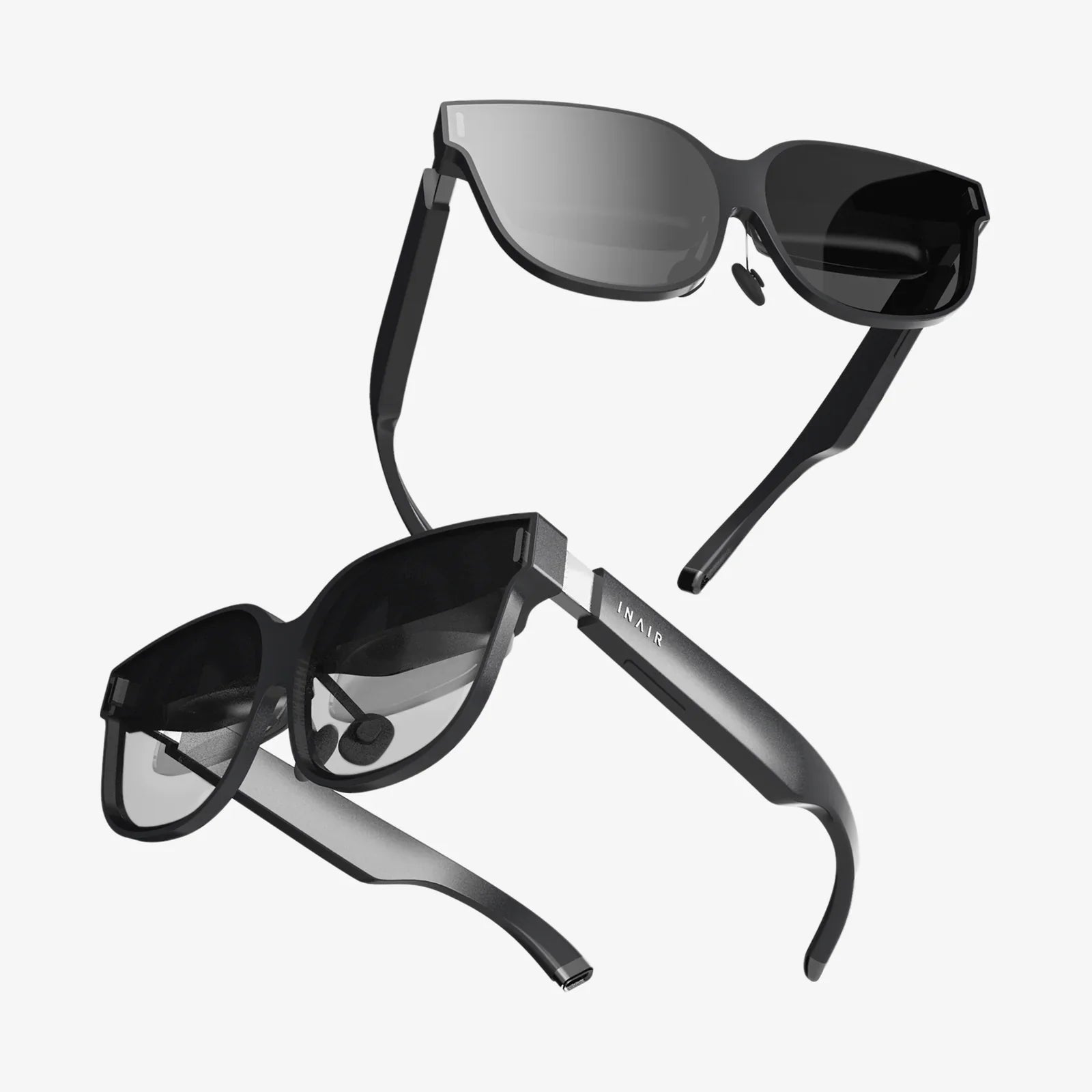
Imagine a world where your watch warns you of an irregular heartbeat before you feel a symptom, your ring analyzes your sleep to optimize your day, and your clothing provides real-time feedback on your athletic form. This is not a glimpse into a distant sci-fi future; this is the present, revolutionized by the silent, seamless integration of wearable technology into the very fabric of our lives. From passive data collection to proactive life enhancement, wearables have shifted the paradigm of how we understand ourselves, transforming every heartbeat, step, and minute of sleep into a actionable piece of a larger health narrative.
The Datafication of the Self: From Guesswork to Guided Insight
For centuries, human health and performance were largely measured by subjective feeling. An athlete’s training was based on perceived exertion, a patient’s recovery on described symptoms, and our general wellness on a vague sense of being "run-down." The first and most fundamental revolution wrought by wearable technology is the datafication of the human body. It has provided an objective, quantifiable lens through which to view our physiology, replacing ambiguity with accuracy.
This shift began with simple step counting and evolved into a comprehensive suite of biometric monitoring. Modern devices continuously track a staggering array of metrics:
- Heart Rate: Moving beyond simple beats-per-minute to Heart Rate Variability (HRV), a key indicator of recovery and stress levels, and resting heart rate, a fundamental metric of cardiovascular health.
- Sleep Architecture: Advanced sensors now distinguish between light, deep, and REM sleep stages, providing a detailed map of sleep quality rather than just duration.
- Blood Oxygen Saturation (SpO2): Once confined to clinical settings, this vital sign is now monitored overnight to screen for potential issues like sleep apnea.
- Electrodermal Activity (EDA) and Skin Temperature: These metrics offer insights into the body's stress response and overall physiological state.
This constant stream of data creates a personalized baseline for each individual. We are no longer comparing ourselves to generic population averages; we are competing against our own historical data. This empowers a level of self-awareness previously unimaginable, allowing us to see the direct correlation between lifestyle choices—like a late-night meal or a stressful day—and their tangible impact on our body.
The Proactive Health Paradigm: From Treatment to Prevention
Perhaps the most profound revolution lies in healthcare itself. Wearable technology is spearheading a monumental shift from a reactive, treatment-based model to a proactive, prevention-oriented one. The traditional healthcare system often intervenes after a problem has arisen. Wearables, however, act as an early warning system, constantly scanning for anomalies that could signify underlying issues.
The applications are life-saving:
- Atrial Fibrillation (AFib) Detection: Devices with ECG capabilities can detect signs of AFib, a leading cause of stroke. Users can receive an alert prompting them to seek medical attention, potentially preventing a catastrophic event.
- Fall Detection and Emergency SOS: For elderly individuals or those with specific medical conditions, built-in fall detection algorithms can automatically alert emergency services and designated contacts if a hard fall is detected, ensuring help arrives swiftly.
- Post-Operative and Chronic Disease Management: Physicians can now monitor patients remotely after surgery or those managing chronic conditions like hypertension or diabetes. Trends in vital signs can signal complications or the need for medication adjustments, reducing readmission rates and improving quality of life.
This continuous, remote monitoring democratizes access to healthcare insights. It reduces the burden on clinical facilities for routine monitoring and fosters a new partnership between patient and provider, grounded in shared, objective data. The goal is no longer just to get better after getting sick; it is to never get sick in the first place.
The Fitness and Performance Metamorphosis
The fitness industry has been utterly transformed. Wearables have evolved from simple pedometers into sophisticated personal trainers and performance coaches. The revolution here is one of personalization, optimization, and motivation.
- Tailored Workouts: Devices can now suggest workouts based on recovery status (using HRV and sleep data), ensuring users train effectively without overreaching and risking injury.
- Form and Technique Analysis: Advanced wearables and smart clothing can provide feedback on running gait, swing mechanics in golf or tennis, and weightlifting form, helping athletes refine their technique for better performance and safety.
- Recovery Tracking: Understanding that progress is made during recovery, wearables provide detailed insights into how well the body is recuperating from exertion, recommending rest or active recovery as needed.
- Gamification and Social Connectivity: The integration of challenges, badges, and social sharing has tapped into powerful psychological motivators, turning solitary exercise into a connected, community-driven experience.
This has elevated the amateur athlete and optimized the professional. Data-driven insights have removed guesswork, allowing for precisely calibrated training regimens that maximize results and minimize downtime.
Weaving Technology into the Fabric of Daily Life
The revolution extends far beyond health and fitness into the minutiae of our daily existence. Wearables have become the most intimate and convenient portal to our digital world, enhancing convenience, safety, and connectivity.
- Seamless Digital Integration: The ability to receive notifications, control smart home devices, make contactless payments, and access digital assistants directly from the wrist has created a new layer of efficiency, reducing our dependency on smartphones.
- Safety and Security: Features like emergency SOS, location sharing with trusted contacts, and incident detection provide a powerful sense of security for users and their loved ones.
- Mindfulness and Mental Wellbeing: Recognizing the importance of mental health, many devices now offer guided breathing sessions, mindfulness reminders, and stress tracking through metrics like EDA, encouraging users to take mental breaks and manage their stress levels actively.
This ambient integration makes technology feel less like a tool we actively use and more like an intelligent layer augmenting our reality, simplifying tasks and providing contextually relevant information without interruption.
Navigating the Challenges of a Worn World
No revolution is without its complexities. The rise of wearable technology brings significant challenges that society must confront.
- Data Privacy and Security: These devices collect the most intimate data imaginable. Questions of who owns this data, how it is used, and how it is protected are paramount. The risk of data breaches or the commercial exploitation of health information is a serious concern.
- Information Overload and Health Anxiety: The constant stream of data can lead to "analysis paralysis" or even orthosomnia—an unhealthy obsession with achieving perfect sleep data. Users can become anxious over minor fluctuations that may have no clinical significance.
- The Accuracy Question: While improving rapidly, consumer-grade wearables are not medical devices. Misinterpretation of data or reliance on inaccurate readings could lead to unnecessary worry or, conversely, a false sense of security.
- The Digital Divide: High-quality wearable technology can be expensive, potentially exacerbating health disparities if these powerful health-monitoring tools become accessible only to the wealthy.
Addressing these issues requires robust regulatory frameworks, transparent corporate policies, and greater digital health literacy among users to ensure this revolution benefits all of humanity equitably and safely.
The Next Frontier: What Lies Ahead?
The revolution is still in its early stages. The future points toward even deeper integration and more powerful capabilities. We are moving toward non-invasive continuous glucose monitoring, which would be a game-changer for diabetics and biohackers alike. The development of true, medical-grade diagnostics on the wrist is accelerating. Furthermore, the convergence of wearables with Artificial Intelligence will unlock predictive health insights, potentially forecasting illness days before onset based on subtle biomarker shifts. The ultimate goal is a closed-loop system where a wearable not only diagnoses a problem but also administers treatment, such as automatically injecting a life-saving drug.
The trajectory is clear: wearables will become less obtrusive, more powerful, and increasingly focused on predictive and personalized health interventions. They will move from the wrist to integrated sensors in clothing, earrings, and even under the skin, becoming a truly invisible yet indispensable part of human existence.
The true measure of this revolution is not found in the sophistication of the sensors or the elegance of the algorithms, but in the empowerment of the individual. We are no longer passengers in our own health journey; wearable technology has handed us the dashboard, the map, and the early warning systems, enabling us to take the wheel and steer toward a longer, healthier, and more optimized life. The question is no longer about how many steps you've taken, but about what you will do with the knowledge of how your entire being is performing, moment by moment, day by day.
Share:
Best Buy Smart Devices: A Guide to Building Your Connected Home
Best Buy Smart Devices: A Guide to Building Your Connected Home