


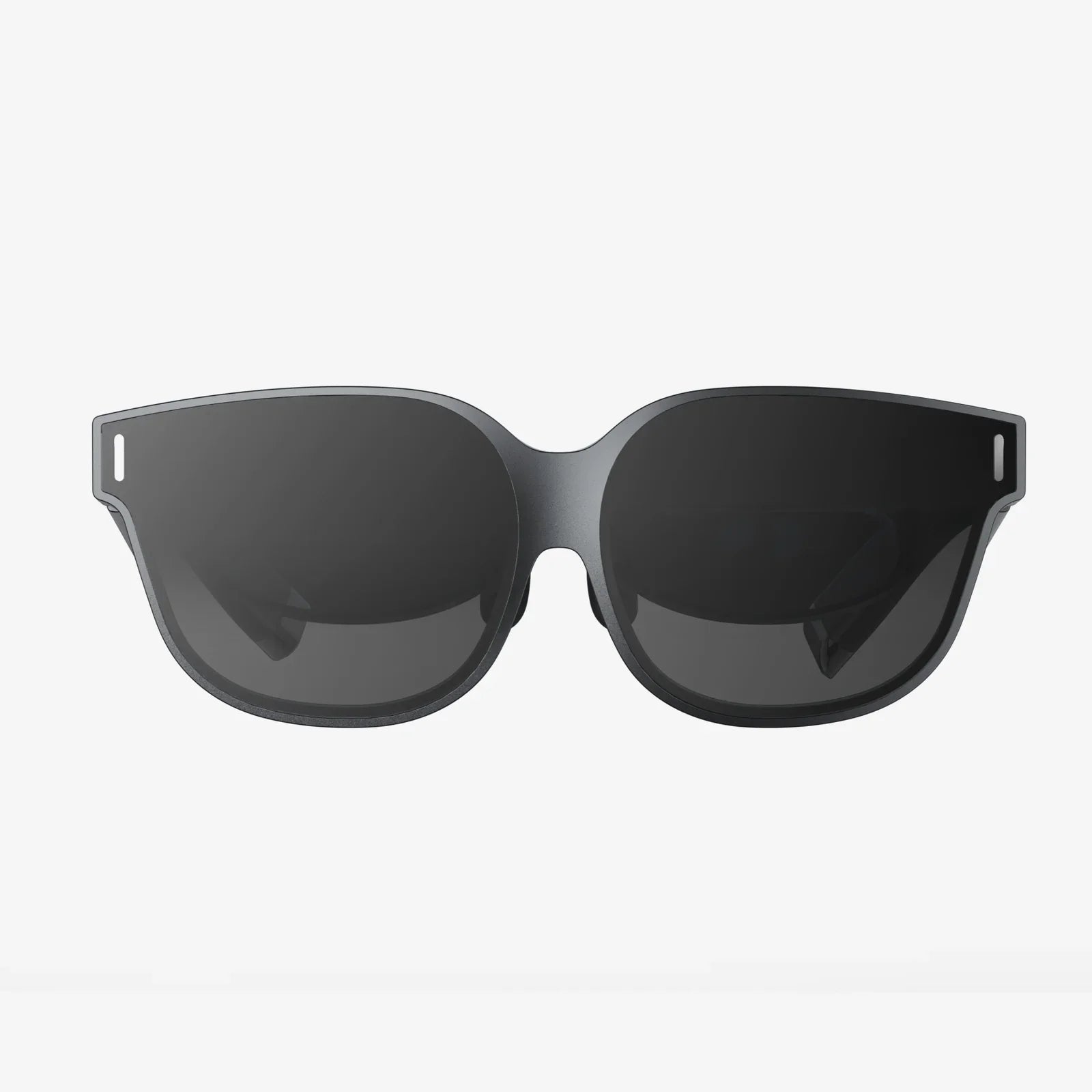
Imagine stepping into a surgical theater to observe a complex procedure, exploring the ancient ruins of Rome from your living room, or conducting a crucial business meeting with colleagues from across the globe as if you were in the same room. This is no longer the stuff of science fiction; it is the present and rapidly evolving reality powered by virtual reality technology. The question is no longer if VR is possible, but how is virtual reality used to solve real-world problems, enhance human capabilities, and create experiences previously confined to our imaginations? The applications are as diverse as they are profound, stretching into nearly every facet of our professional and personal lives, signaling a shift from novelty to necessity.
Transforming the Medical and Healthcare Landscape
The healthcare sector has emerged as one of the most promising and impactful fields for virtual reality application. Here, the technology is not for entertainment but for healing, training, and empathy-building.
Surgical Training and Planning
How is virtual reality used to train the next generation of surgeons? By providing a risk-free, highly detailed environment for practice. Medical students and experienced surgeons alike can rehearse complex procedures on accurate virtual anatomies. They can make incisions, handle complications, and learn the intricate geography of the human body without ever touching a real patient. This immersive rehearsal space reduces errors, shortens the learning curve, and builds muscle memory and confidence. Furthermore, surgical teams can use detailed VR models created from a patient's own CT or MRI scans to plan a specific operation, navigating the unique challenges of an individual's anatomy before entering the operating room.
Pain Management and Physical Rehabilitation
VR is proving to be a powerful tool in the fight against acute and chronic pain. By immersing patients in calming, engaging virtual worlds—such as a serene forest or a tranquil snowy landscape—the technology effectively distracts the brain from processing pain signals. This method is being used to reduce anxiety and pain during wound care, dental procedures, and for patients suffering from chronic conditions. In physical rehabilitation, VR turns repetitive and often painful exercises into interactive games. A patient recovering from a stroke or a spinal cord injury might be tasked with virtually catching objects or navigating mazes, which motivates them to complete their therapeutic movements and accelerates recovery by making the process engaging and measurable.
Exposure Therapy for Mental Health
For treating phobias, anxiety disorders, and PTSD, therapists are using controlled virtual environments to safely expose patients to their triggers. A person with a fear of heights can gradually experience standing on the edge of a virtual skyscraper, while a veteran with PTSD can process traumatic memories in a manageable, therapist-controlled setting. This exposure therapy, conducted in a safe and repeatable virtual space, allows individuals to confront and overcome their fears at a pace they can handle.
Revolutionizing Education and Corporate Training
The passive model of learning is being upended by immersive experiences that boost engagement and retention. How is virtual reality used to educate? By transforming abstract concepts into tangible experiences.
Immersive Learning Experiences
Students are no longer limited to reading about historical events; they can witness them. They can walk through ancient Egyptian markets, stand on the deck of a Viking ship, or experience the scale of the solar system by virtually flying past planets. This experiential learning creates powerful emotional connections to the material, dramatically improving information retention. Complex scientific concepts, from molecular biology to theoretical physics, become interactive 3D models that students can manipulate and explore from every angle, fostering a deeper, intuitive understanding.
Skills and Safety Training
In corporate and industrial settings, VR is the ultimate training simulator. Employees can practice operating heavy machinery, responding to hazardous material spills, or navigating emergency evacuations without any real-world risk. This is particularly valuable for high-stakes industries like aviation, energy, and manufacturing. Trainees can make mistakes and learn from them in a consequence-free environment, leading to a more competent and safety-conscious workforce. Soft skills training, such as public speaking, sales pitches, and leadership scenarios, also benefits from VR, allowing individuals to practice and refine their techniques with virtual audiences.
Redefining Design, Architecture, and Retail
The ability to visualize and interact with a design before it is built is revolutionizing several creative and commercial industries.
Architectural Visualization and Virtual Prototyping
Architects and developers are using VR to walk clients through unbuilt structures. Instead of relying on blueprints or static 3D renders, a client can don a headset and experience the true scale, spatial relationships, and lighting of a proposed building, office, or home. This allows for informed feedback and design changes early in the process, saving significant time and resources. Similarly, engineers and product designers use virtual reality to prototype everything from new vehicle interiors to consumer electronics, testing ergonomics, aesthetics, and assembly line workflows long before a physical prototype is ever created.
The Future of Retail and Try-Before-You-Buy
How is virtual reality used to shop? Virtual showrooms allow customers to explore products in a curated digital space. More importantly, augmented and virtual reality enable a powerful "try-before-you-buy" experience. Customers can see how a piece of furniture would look and fit in their actual living room through their device's camera or see how a new shade of paint would transform their walls. This reduces purchase uncertainty and returns while providing a novel and convenient shopping experience.
Powering New Frontiers in Entertainment and Social Connection
While its applications are now vast, the roots of modern VR are in entertainment, a field it continues to transform in groundbreaking ways.
Immersive Gaming and Narrative Storytelling
Gaming is the most well-known application, placing players directly inside the game world. But VR's potential for storytelling goes far beyond traditional games. Creators are crafting 360-degree narrative experiences and documentaries that foster unparalleled empathy. Viewers are no longer passive observers but active participants within the story, whether that's standing alongside refugees in a camp or exploring a narrative from multiple character perspectives. This has created a powerful new medium for journalists and filmmakers.
Virtual Social Spaces and Remote Collaboration
VR is building the foundation for the metaverse—persistent virtual spaces where people can meet, socialize, and collaborate. These platforms allow users, represented by avatars, to attend virtual concerts, play games, or simply hang out with friends as if they were physically together. For business, this translates into virtual meeting rooms where participants can interact with 3D data models, share ideas on virtual whiteboards, and benefit from the non-verbal cues that are lost in traditional video calls, creating a much stronger sense of presence and teamwork among remote colleagues.
Challenges and The Ethical Horizon
Despite its potential, the widespread adoption of VR faces hurdles. The cost of high-quality hardware, the risk of motion sickness for some users, and the need for compelling content are ongoing challenges. Furthermore, ethical questions are coming to the fore. Issues of data privacy are immense, as VR headsets can collect incredibly detailed biometric and behavioral data. The long-term psychological effects of spending significant time in virtual worlds are not yet fully understood. There is also a risk of a growing digital divide, where access to these transformative experiences becomes a marker of socioeconomic privilege.
The journey of virtual reality is just beginning. We are moving past the initial wave of novelty and discovering its true power as a utilitarian tool for human advancement. From saving lives in operating rooms to preserving ancient cultures for future generations, the answer to 'how is virtual reality used' is constantly expanding. It is forging deeper connections across continents, building safer workplaces, and offering new lenses through which to understand our world and ourselves. This is not merely about putting on a headset; it is about unlocking new dimensions of human potential, and we are only starting to scratch the surface of what is possible.
Share:
How to Use Personalized Spatial Audio: An Immersive Sound Guide
How Does Virtual Reality Help Us: Transforming Industries and Expanding Human Potential