Imagine a world where your clothing monitors your health, your glasses overlay digital information onto your reality, and your shoes track your every step. This isn't a glimpse into a distant future; it's the present, powered by the explosive growth of wearable technology. But with this rapid innovation comes a bewildering array of names, categories, and sub-categories. If you've ever found yourself wondering just how many ways we refer to these body-borne computers, you're about to embark on a fascinating journey through the lexicon of the connected self.
The Foundational Triad: The Pillars of Consumer Wearables
Before diving into the vast ecosystem, it's crucial to understand the three designations that form the bedrock of the consumer wearable market. These are the terms most familiar to the general public and represent the highest volume of devices sold globally.
Wrist-Worn Revolution: Smartwatches and Fitness Trackers
This category is arguably the most recognized. While often used interchangeably by casual observers, smartwatches and fitness trackers (or activity trackers) represent two distinct designations.
Fitness Trackers are typically single-purpose or limited-purpose devices. Their primary function is to monitor health and activity metrics such as steps taken, distance traveled, calories burned, heart rate, and sleep patterns. They are often characterized by a simple display, long battery life, and a focus on passive data collection.
Smartwatches, on the other hand, are miniature computers for the wrist. They incorporate the features of a fitness tracker but expand upon them significantly. They offer smartphone connectivity for notifications, calls, and messages, run third-party applications, often include GPS and voice assistants, and serve as a remote control for other smart devices. The line between these two designations has blurred significantly, with many devices now occupying a hybrid space, but the core distinction in marketing and consumer choice remains.
Head-Mounted Displays: Augmented, Virtual, and Mixed Realities
This category encompasses devices worn on the head, primarily over the eyes. The designations here are defined by the type of experience they facilitate.
Virtual Reality (VR) Headsets are fully immersive devices. They block out the physical world entirely and transport the user to a completely digital environment. They are primarily used for gaming, simulation training, and immersive storytelling.
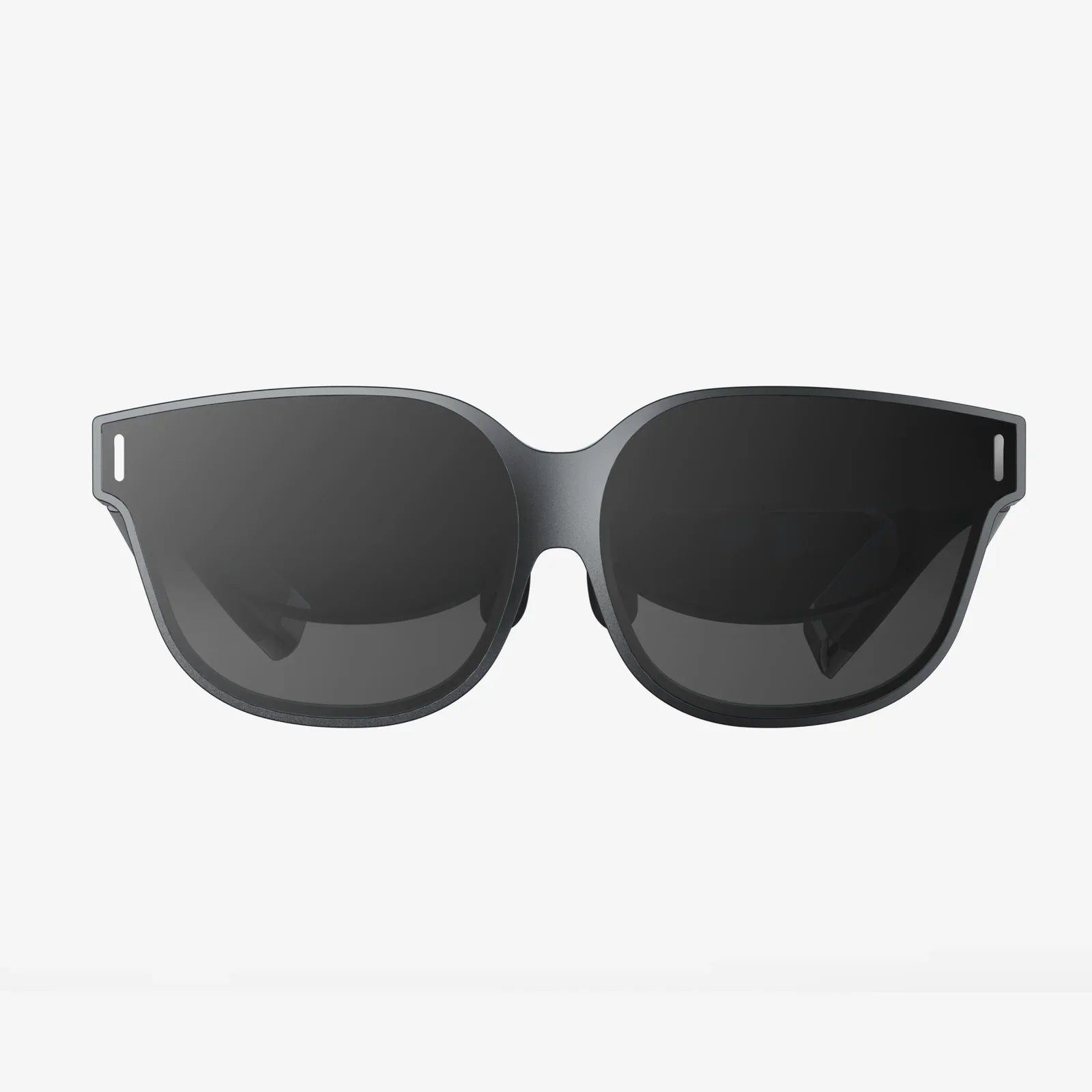
Augmented Reality (AR) Glasses/Smart Glasses do not replace the real world but instead overlay digital information, images, or 3D models onto the user's field of view. This allows for interaction with digital content while maintaining awareness of one's surroundings. Applications range from navigation and information display to complex industrial maintenance and design.
Mixed Reality (MR) Devices represent a more advanced fusion of AR and VR. They not only overlay digital content but also allow that content to interact with and be anchored to the real world in a believable way. The digital and physical worlds co-exist and interact in real-time.
Wearable Technology on the Body: Beyond the Wrist and Head
The innovation in wearables extends far beyond the most common form factors. A multitude of designations have emerged for devices designed for other parts of the body.
Smart Clothing and E-Textiles: The Fabric of the Future
This is one of the fastest-growing and most diverse categories. Rather than being an accessory, the technology is woven directly into the garment itself. Designations here are often based on function:
Performance Monitoring Apparel: Shirts, shorts, and sports bras with integrated sensors to track muscle effort, respiration rate, heart rhythm, and overall workout intensity with clinical-grade accuracy.
Biometric Shirts: A sub-category focused specifically on continuous, medical-grade vital sign monitoring, often for professional athletes or clinical trials.
Smart Footwear: Shoes and insoles that track gait, balance, step count, and weight distribution. Some can even automatically adjust their fit or harvest energy from walking.
Heated Apparel: Jackets, gloves, and vests with integrated heating elements powered by small batteries, designed for outdoor comfort in cold climates.
The term E-Textiles or Electronic Textiles often refers to the conductive fibers and fabrics that make this technology possible, serving as the substrate for the entire category.
Hearables: Intelligence in Your Ears
This designation has evolved from simple wireless headphones to sophisticated, multi-functional computers for the ear.
True Wireless Stereo (TWS) Earbuds: The base designation for wireless earbuds that offer high-quality audio playback and call functionality.
Smart Hearing Aids: Modern devices that not only amplify sound but also connect to smartphones, stream audio, translate languages in real-time, and monitor health metrics like heart rate through the ear.
Fitness Earbuds: A hybrid designation for earbuds that emphasize secure fit for sports and include basic activity tracking.
The overarching term Hearables captures all these devices, emphasizing their computational capabilities beyond mere audio playback.
Specialized and Medical Designations: Technology for Health and Safety
Perhaps the most critical area of wearable tech is its application in healthcare and specialized professions. The designations here are precise and often tied to regulatory classifications.
Medical and Clinical Wearables
These are devices that have received approval from regulatory bodies for medical use. Their designations are specific and functional:
Continuous Glucose Monitors (CGMs): Wearable sensors, typically adhered to the skin, that measure and transmit glucose levels in near-real-time to a display device, revolutionizing diabetes management.
Patch-based Monitors: Disposable or reusable adhesive patches that monitor a suite of vital signs—such as ECG, heart rate, temperature, and respiratory rate—often used in hospital settings or remote patient monitoring programs.
Smart Inhalers: Inhalers for asthma and COPD with added sensors that track usage, monitor environmental triggers, and provide feedback on inhalation technique.
Wearable ECG Monitors: Devices, often wrist-worn or built into a patch, that can perform medical-grade electrocardiograms to detect atrial fibrillation and other arrhythmias.
Industrial and Enterprise Wearables
This category includes designations for devices used in specific professional contexts.
Safety Wearables: This includes smart hard hats that monitor for impacts and worker fatigue, vests with environmental sensors for toxic gas or extreme heat, and wearable alert systems for lone workers in remote locations.
Enterprise Smart Glasses: Ruggedized AR glasses designed for the workforce. They are used for hands-free order picking in warehouses, remote expert assistance for field technicians, and digital work instructions on assembly lines.
Emerging and Niche Classifications: The Cutting Edge
The landscape of wearable technology is constantly shifting, giving rise to new and experimental designations that hint at the future.
Implantables: While not "worn" in the traditional sense, these devices, such as pacemakers and neurostimulators, represent the ultimate integration of technology with the human body and are often discussed in the same ecosystem.
Smart Jewellery: Rings, necklaces, and bracelets that discreetly incorporate technology, often focusing on activity tracking, notification alerts, or personal safety features like panic buttons.
Body-Machine Interfaces (BMIs): A more technical and futuristic designation for devices that create a direct communication pathway between the brain and an external device, such as advanced prosthetic limbs controlled by thought.
Emotional Wearables (Emotibles): An emerging niche focused on devices that can recognize, interpret, and sometimes influence the user's emotional state through biometric data analysis.
Why So Many Names? The Reason Behind the Proliferation
The sheer number of designations is not merely marketing jargon; it is a direct reflection of the technology's maturation and specialization.
First, it's about functionality. A device that overlays digital schematics onto a machine for a technician is fundamentally different from one that immerses a gamer in a fantasy world, hence the need for distinct terms like AR glasses versus VR headsets.
Second, it's about form factor and placement. The part of the body a device is designed for dictates its design, capabilities, and user interaction model, leading to clear distinctions between hearables, smart clothing, and wrist-worn devices.
Third, it's about the target audience and regulatory status. A consumer fitness tracker and an FDA-approved medical wearable may use similar sensors, but their intended use, accuracy requirements, and marketing language are worlds apart, necessitating different designations.
Finally, the evolution of language itself plays a role. As the technology becomes more integrated into our daily lives, we move from broad, umbrella terms like "wearable tech" to more specific and descriptive names that accurately capture the nuanced experience of each device.
From the familiar buzz on your wrist to the intelligent fibers in your shirt and the life-saving sensor on your skin, the universe of wearable technology is vast and its vocabulary is rich. This ever-expanding lexicon is a testament to human ingenuity, reflecting our relentless drive to integrate technology more seamlessly into the human experience, enhancing our capabilities, safeguarding our health, and connecting us to the digital world in ways we are only beginning to imagine. The next time you strap on a device, listen for its unique designation—it tells a story of purpose, innovation, and the incredible future we are building, one wearable at a time.