


You’ve seen the viral videos, heard the buzz, and maybe even tried one on yourself—but just how many people have actually taken the plunge and brought a VR headset into their homes? The answer is far more complex and fascinating than a simple number, revealing a technology in the midst of a dramatic transformation from niche curiosity to mainstream contender. Strap in as we dive deep into the data, the drivers, and the definitive trends shaping the virtual reality landscape.
The Elusive Number: Parsing the Data on VR Headset Ownership
Attempting to pin down a single, definitive figure for global VR headset ownership is like trying to hit a moving target in the dark. The market is dynamic, with sales fluctuating quarterly and new entrants constantly shifting the landscape. However, by aggregating data from major market research firms, we can paint a remarkably clear picture.
As of the most recent comprehensive analyses, industry experts estimate that the number of active VR headsets in consumer and commercial use worldwide is comfortably over 100 million units. This figure represents a significant milestone, crossing into the territory of a established technology platform rather than a fleeting gadget fad. To put this in perspective, this user base is larger than the entire population of many countries and rivals the early adoption curves of now-ubiquitous technologies like the personal computer and the smartphone.
Breaking this down further reveals crucial nuances. The market is not monolithic. Ownership is heavily concentrated in certain regions, with North America, Western Europe, and parts of East Asia leading the charge. Furthermore, a substantial portion of these devices are not standalone units purchased by consumers for gaming, but rather part of larger enterprise and commercial deployments for training, design, and education, indicating the technology's diverse value proposition.
A Historical Perspective: The Meteoric Rise from Science Fiction to Reality
Understanding the current adoption numbers requires a brief look back. The modern era of consumer VR began in earnest around the mid-2010s. Early commercial efforts were clunky, expensive, and limited by the technology of the time, resulting in a market that remained firmly in the realm of enthusiasts and developers.
The pivotal moment arrived with the launch of a new generation of hardware. The period from 2019 onwards marked a dramatic inflection point. The release of more accessible, standalone headsets—devices that required no connection to a powerful computer or console—acted as a catalyst for mass adoption. Suddenly, the barrier to entry, both in terms of cost and technical complexity, was significantly lowered.
Sales data reflects this revolution. Annual shipments, which numbered in the hundreds of thousands in the early years, exploded into the millions and then tens of millions per year. This wasn't a slow and steady climb; it was a hockey stick curve, demonstrating that the technology had finally found its product-market fit. The pandemic also played an unexpected role, as people sought new forms of indoor entertainment and remote connection, giving VR a unexpected boost during a critical period of its development.
Demographics of the Virtual Frontier: Who is Actually Using VR?
Beyond the raw numbers, the who is just as important as the how many. The stereotype of the VR user as a solitary, hardcore gamer is rapidly becoming outdated. The demographic profile of headset owners is broadening at an astonishing rate.
- Gamers Remain the Core: There is no denying that the gaming community continues to be the largest and most passionate segment of the VR user base. For them, VR represents the ultimate immersion, a way to step inside the worlds they love.
- The Fitness Revolution: One of the most surprising and successful adoption drivers has been fitness. A significant and growing percentage of users now report using their headsets primarily for workout applications, from rhythm games that get the heart pumping to dedicated fitness platforms offering guided classes.
- Enterprise and Education: Corporations, universities, and training facilities are investing heavily in VR. From training surgeons without risk to practicing public speaking in a virtual auditorium, the professional applications are vast and are contributing a substantial number of unit sales.
- The Social Sphere: Platforms that allow users to socialize, attend virtual events, and collaborate in shared digital spaces are attracting a more diverse audience, including younger users and those less interested in traditional gaming.
This diversification is the strongest indicator of a healthy and sustainable ecosystem. A technology reliant on a single use case is vulnerable; one that serves gaming, fitness, social connection, and enterprise is built on a much more solid foundation.
The Engine of Adoption: Key Drivers Fueling Headset Sales
Several powerful forces have converged to push VR into the tens of millions of households and businesses.
1. The Standalone Headset Revolution
This cannot be overstated. The shift from tethered headsets (which require a powerful PC or game console) to all-in-one devices removed the single biggest obstacle for the average consumer. The ease of setup, combined with a more approachable price point, opened the floodgates.
2. The Content Explosion
Hardware is nothing without software. The library of VR experiences has grown from a handful of tech demos to a rich and varied ecosystem. This includes:
- Blockbuster games that are system-sellers in their own right.
- A thriving indie development scene producing innovative and experimental content.
- Major media companies dipping their toes into VR film and narrative experiences.
- The aforementioned explosion in fitness and social applications.
3. The Metaverse Hype Cycle
While the concept of a fully-realized metaverse remains a distant future, the hype surrounding it has had a tangible effect on hardware sales. The idea of a persistent, shared virtual space has captured the public imagination and positioned the VR headset as the presumed primary gateway to this future, driving interest and purchases.
4. Enterprise Recognition of Value
Businesses are pragmatic. The ROI on VR for training is becoming increasingly clear. The ability to train employees in high-risk scenarios (e.g., electrical line work, emergency response) or expensive environments (e.g., surgical simulators, heavy machinery operation) without any real-world risk offers immense cost savings and improves outcomes, justifying the investment in hardware.
The Hurdles That Remain: Barriers to Even Wider Adoption
Despite the impressive growth, challenges remain that prevent VR from achieving smartphone-level ubiquity. Acknowledging these barriers is key to understanding the market's potential ceiling.
- Cost: While prices have fallen, a quality VR headset still represents a significant discretionary purchase for many families, often competing with traditional game consoles or other tech gadgets.
- Comfort and Form Factor: Headsets are getting smaller and lighter, but issues of comfort during extended use, especially for users with glasses, persist. The ideal of "all-day wearable" AR/VR glasses is still a work in progress.
- The "Friction" of Use: Unlike picking up a phone, using a VR headset involves clearing a play space, ensuring the battery is charged, and strapping a device to your face. This small amount of friction can be enough to discourage casual, daily use.
- Content Gaps: While the library is rich, it still lacks the endless stream of easily accessible content that platforms like YouTube, Netflix, or mobile app stores offer. The "killer app" that appeals to absolutely everyone has yet to emerge.
- Social Stigma and Isolation: The image of a person closed off from the world with a device on their face still carries a slight social stigma and concerns about isolation, though this is fading rapidly as the technology becomes more normalized.
Gazing into the Crystal Ball: The Future of VR Adoption
Based on current trajectories and technological roadmaps, the number of people owning a VR headset is poised for continued dramatic growth. Several emerging trends will be the catalysts for the next hundred million users.
The next major leap will be the arrival of true mixed reality (MR) devices. These headsets will seamlessly blend high-quality virtual elements with the user's real-world environment, moving beyond gaming and into productivity, design, and everyday computing. Imagine replacing your monitors with virtual screens, collaborating on a 3D model that sits on your real desk, or receiving contextual information overlaid on your surroundings. This expanded utility will make the headset an indispensable tool, not just an entertainment device.
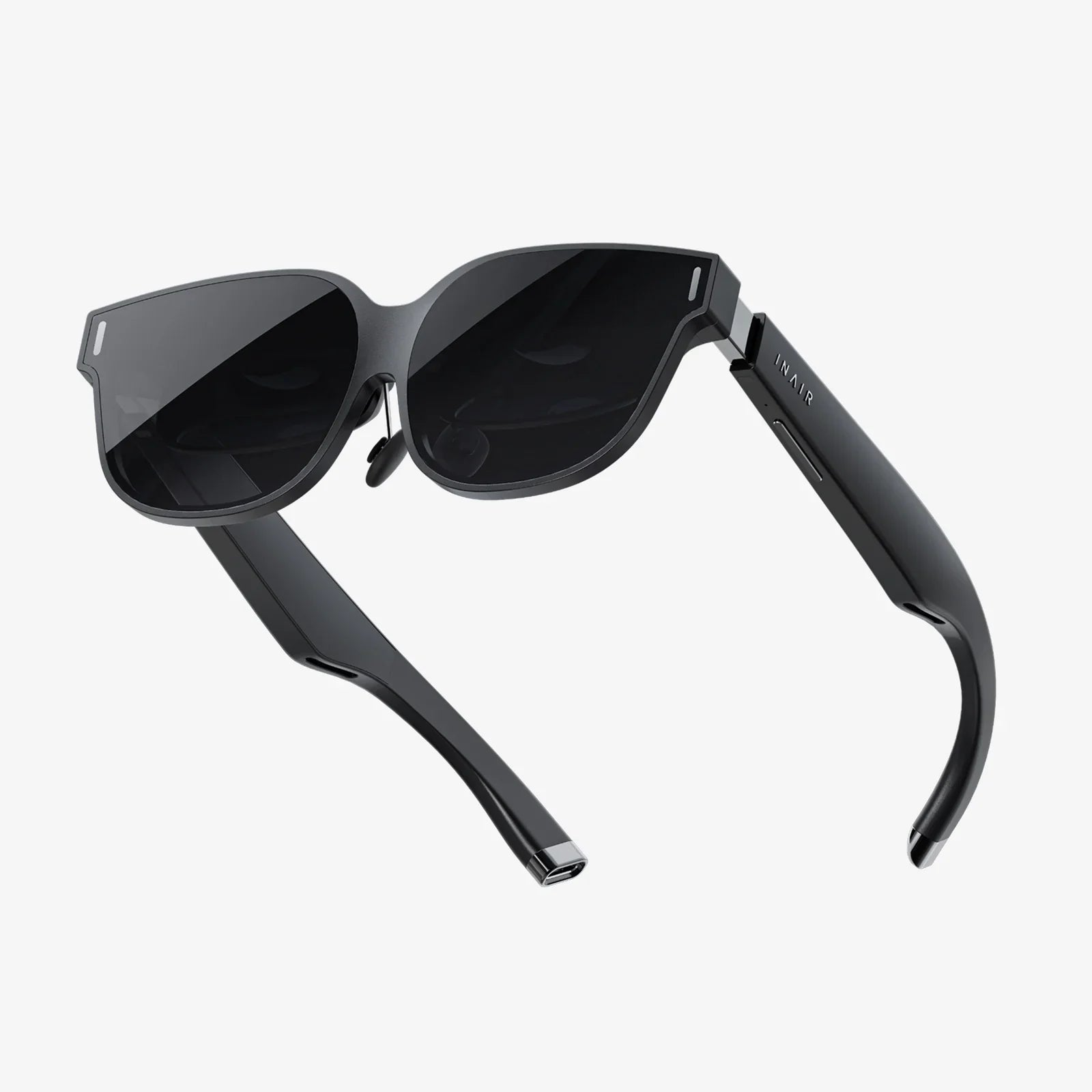
Furthermore, the relentless march of miniaturization will lead to glasses-like form factors. When VR/MR devices resemble a standard pair of sunglasses rather than a bulky face-mounted computer, the final major barriers of comfort and social acceptance will crumble. The goal is a device you forget you're wearing, enabling always-available spatial computing.
Finally, as the installed base grows, it creates a powerful feedback loop. A larger audience attracts more and better developers, which leads to more compelling and diverse software, which in turn drives more hardware sales. This virtuous cycle is now firmly in motion, promising a future where asking how many people have a VR headset will be as commonplace as asking about smartphone ownership is today.
The journey to 100 million was about proving viability and building a foundation. The journey to the next hundred million, and beyond, will be about integration, utility, and making virtual reality an invisible, yet integral, thread in the fabric of our daily digital lives. The headset is evolving from a window into another world into a new lens for enhancing our own.
Share:
AI Extended Reality: The Invisible Engine Reshaping Our Digital and Physical Worlds
Extended Reality Market Analysis: A Deep Dive into the Next Digital Frontier