


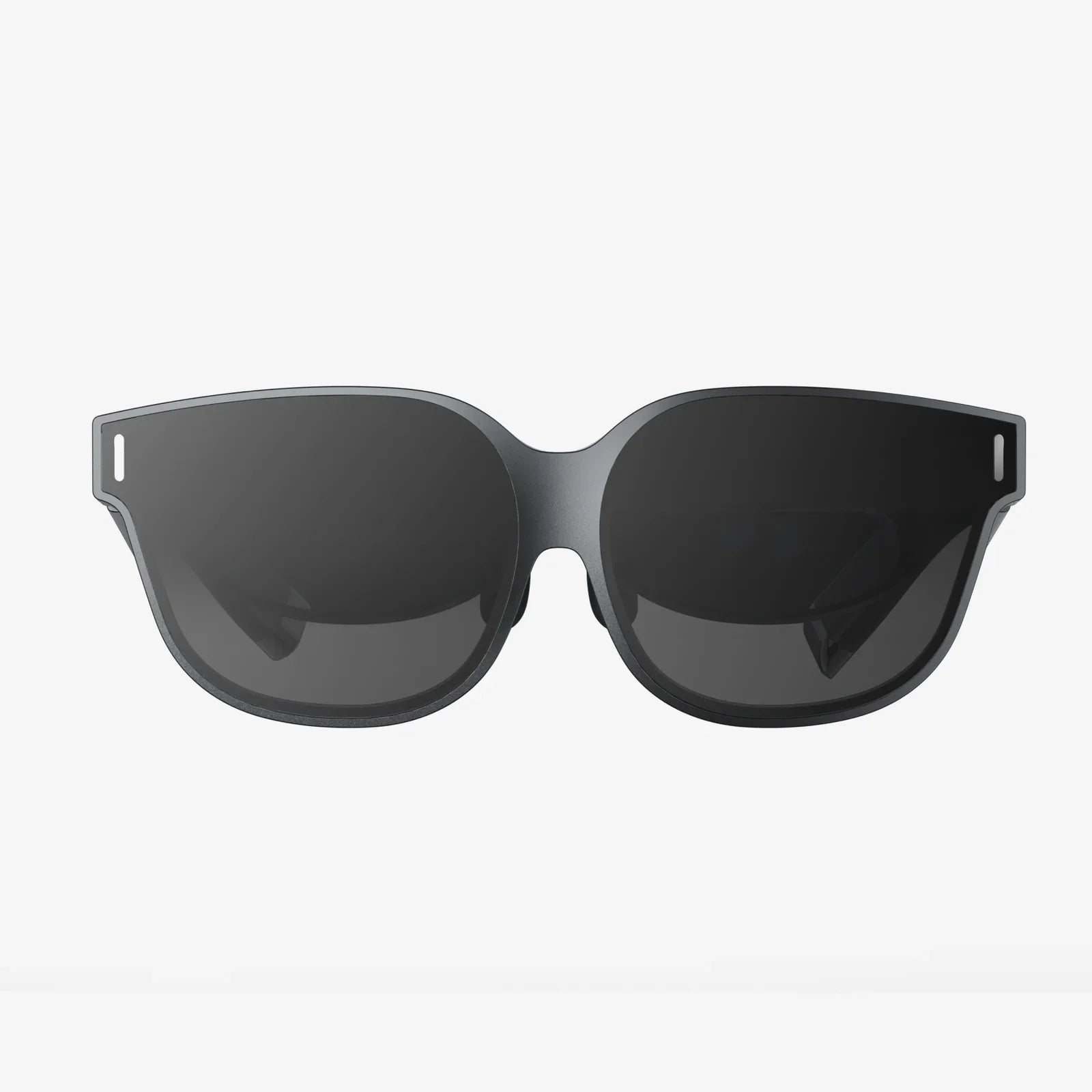
You've seen the breathtaking trailers, read the glowing reviews, and felt that pull of curiosity about stepping into another world. But before you can slay dragons, design virtual skyscrapers, or simply watch a movie on a giant screen from the comfort of your couch, one pressing question brings you back to reality: How much does a VR headset *really* cost with the essential controllers included? The answer is more nuanced than a single price tag, and understanding the landscape is key to making an investment you won't regret. This definitive guide will demystify the costs, strip away the marketing jargon, and give you a clear-eyed view of what it takes to bring virtual reality into your home.
The Three Tiers of Virtual Reality: Finding Your Price Point
The market for VR headsets is not a monolith. It's segmented into distinct categories, each with its own philosophy, performance level, and, crucially, price bracket. Whether you're a casual curious newcomer or a dedicated enthusiast seeking the absolute best, there's a tier for you.
Tier 1: The Budget-Conscious Entry Point (Standalone)
Standalone headsets are all-in-one units. They don't require a powerful external computer or a game console to function. The processing power, display, and sensors are all built into the headset itself. This makes them the most accessible and user-friendly option for the vast majority of people.
What's Included: Typically, when you purchase a standalone headset, the box contains the headset itself, the two motion controllers (one for each hand), and all necessary cables and charging equipment. The controllers are always included; they are not an optional extra. This is a complete, out-of-the-box VR system.
Price Range: You can expect to pay between $200 and $500 for a new standalone headset. The specific price depends on the model's age, storage capacity (e.g., 128GB vs. 256GB), and any bundled software or accessories.
The Experience: This tier offers a fantastic introduction to VR. The experience is wireless and untethered, offering great freedom of movement. The graphical fidelity is comparable to a modern mobile device—perfectly suitable for a huge library of games, fitness apps, social experiences, and media consumption. For many, this tier represents the best value and the sweet spot for cost versus enjoyment.
Tier 2: The High-Performance Enthusiast (PCVR)
This tier is for those who crave the highest possible visual fidelity, the most complex and graphically intense games, and the absolute cutting edge of VR simulation. These headsets act as a display and sensor package, but all the processing is handled by a powerful external computer.
What's Included: The headset package will always include the necessary controllers. These controllers are often more advanced, featuring finer tracking and more input options than their standalone counterparts. However, this is only half of the cost equation.
The Hidden Cost - The PC: This is the most critical factor to consider. To run a PCVR headset effectively, you need a capable gaming computer. We are not talking about a standard office laptop. You need a dedicated graphics card and a sufficient processor. If you already own a capable gaming rig from the last few years, you're in luck. If not, you must factor in the cost of a PC, which can easily add another $800 to $2,000+ to your total investment.
Headset Price Range: The headsets themselves range from $400 to over $1,000. The price reflects higher-resolution displays, better lenses, more advanced tracking technology, and superior comfort materials.
The Experience: This is premium VR. The visual clarity, refresh rate, and depth of detail are unparalleled in the consumer space. It's the domain of hardcore flight simulators, hyper-realistic racing games, and vast, open-world RPGs. The experience is typically tethered (with a cable connecting the headset to the PC), though wireless adapter kits are available for some models for an additional fee.
Tier 3: The Console Ecosystem (Console-VR)
This tier offers a unique proposition: the power of a high-performance VR experience streamlined through the simplicity and consistency of a game console. There is essentially one primary player in this space.
What's Included: The headset is a sophisticated piece of hardware that includes its own high-quality controllers. The package is all-inclusive.
The Hidden Cost - The Console: Just like PCVR, this headset requires another piece of hardware to function: the latest generation of its respective game console. If you do not already own one, this adds a significant cost of several hundred dollars to your total outlay.
Headset Price Range: The headset itself is positioned as a premium accessory, typically costing around $550.
The Experience: This system delivers a fantastic, high-fidelity VR experience that sits somewhere between a good standalone headset and a high-end PCVR setup. Its major advantage is optimization; games are designed specifically for this hardware combination, ensuring a smooth and polished experience without the driver conflicts or hardware configuration often associated with PC gaming.
Breaking Down the Total Cost of Ownership
The initial purchase of the headset and controllers is just the beginning. To get a true picture of "how much does a VR headset cost," you must consider the ecosystem and ongoing expenses.
1. The Software Library (Games & Apps)
This is the most common ongoing cost. While many headsets come with a pre-installed introductory game or experience, the real fun begins with your purchases. VR games range from small, indie-developed titles costing $10-$20 to massive, AAA productions that can cost $40-$70, mirroring the pricing of traditional console and PC games. Subscription services for VR fitness apps are also increasingly popular.
2. Essential Accessories
Many users find that a few key accessories dramatically improve comfort and longevity.
- Additional Face Interfaces: For hygiene, especially in shared or demo situations, purchasing a separate silicone cover or a set of replaceable foam interfaces is highly recommended ($20-$30).
- Rechargeable Batteries: If your controllers use standard AA batteries, a good set of rechargeables and a charging station is a must-have convenience that saves money in the long run ($25-$40).
- Head Straps: The default elastic strap on some headsets can be uncomfortable for long sessions. An upgraded rigid strap with a rear battery counterweight can vastly improve comfort and balance ($30-$60).
3. The Hardware Tax (For PCVR and Console-VR)
As detailed earlier, this is the giant elephant in the room. The cost of the supporting hardware—a gaming PC or a new console—is non-negotiable and often represents the largest part of the financial investment for those entering these tiers fresh.
4. Potential Future Upgrades
VR technology is still rapidly evolving. While a headset purchased today will provide years of enjoyment, you may find yourself wanting to upgrade to a new model with higher resolution, better performance, or new features in two to four years' time.
Navigating the Second-Hand Market
For the budget-savvy, the second-hand market can be a fantastic way to enter VR at a significantly reduced cost.
Standalone Headsets: Previous-generation models are often sold at a deep discount as users upgrade. You can frequently find excellent condition bundles with headset, controllers, and maybe even some accessories for 30-50% off the original retail price. Ensure the lenses are scratch-free and all functions are working.
PCVR Headsets: The used market is flush with older PCVR models. This can be a great way to experience high-end VR if you already have a powerful PC without the top-tier investment. Be cautious of older technology; ensure it is still supported by modern software and that the cables (which are often proprietary and expensive to replace) are in perfect condition.
Risks: Buying used always carries a risk. There's typically no warranty, and it can be harder to verify the condition of the lenses (which are susceptible to sun damage) and the functionality of all the sensors. Buy from reputable marketplaces that offer buyer protection.
Is the Investment Worth It? Beyond the Price Tag
Cost is a quantitative measure, but value is qualitative. To decide if a VR headset is worth it for you, look at what it offers beyond gaming:
- Fitness: VR has become a legitimate fitness platform with apps that provide intense cardio and rhythm-based workouts, making exercise genuinely fun.
- Social Connection: Platforms exist where you can meet friends, watch movies together, attend live events, and explore user-created worlds, offering a profound sense of "social presence" that flat screens cannot match.
- Media Consumption: Imagine having a private movie theater with a giant screen, a immersive 3D cinema experience, or front-row seats at a concert from anywhere in the world.
- Creativity: Applications allow you to sculpt in 3D, paint in a virtual space, and design architecture at human scale.
When viewed as a multi-purpose device for entertainment, fitness, socializing, and creativity, the cost-per-hour of enjoyment can become incredibly low, justifying the initial investment many times over.
So, the next time you see a price tag for a VR headset, you'll see it for what it truly is: a ticket. It's your passport to not just new games, but to new ways of moving, creating, and connecting. The initial investment, whether a few hundred dollars for a standalone portal or a larger sum for a high-end setup, is merely the door price. The real value is measured in the experiences waiting on the other side—the workouts that don't feel like chores, the moments of awe as you stand on a virtual mountaintop, and the laughter shared with friends in a digital space. The world of VR is no longer a distant future; it's here, it's accessible, and its price, once fully understood, is an invitation to an entirely new dimension of life at home.
Share:
5K VR Headset: The Definitive Guide to Ultra-High-Resolution Immersion
5K VR Headset: The Definitive Guide to Ultra-High-Resolution Immersion