


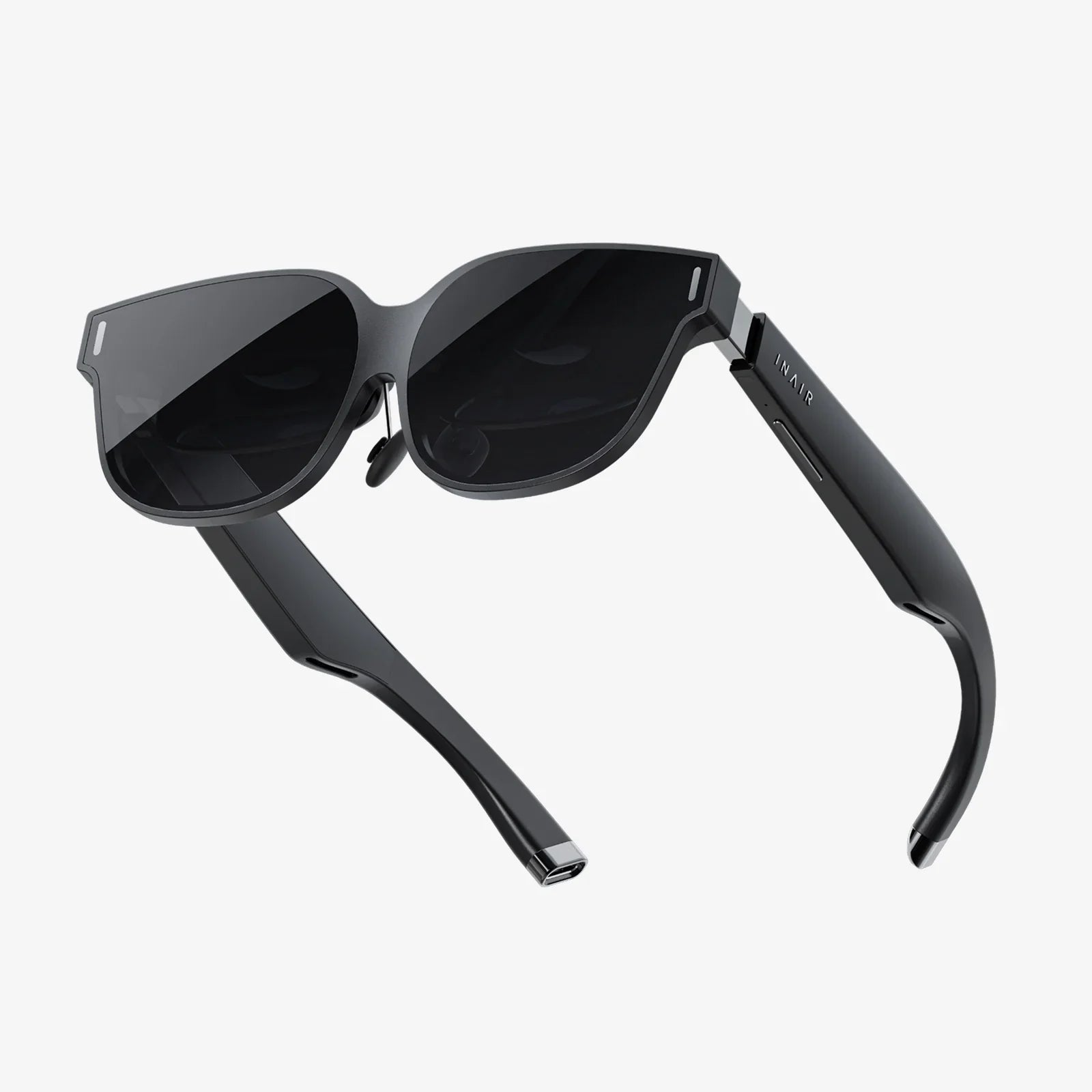
Imagine stepping into another world, exploring fantastical landscapes, or sitting courtside at a major sporting event, all from your living room. This is the promise of virtual reality, a technological marvel that once seemed reserved for the distant future or those with deep pockets. But what if you could unlock that door to new realities for less than the cost of a new game console? The question on many aspiring adventurers' minds is a compelling one: just how much immersion can you really get from a VR headset under $250? The answer might surprise you, offering a gateway to experiences that are far more advanced and accessible than ever before.
The Evolving Landscape of Affordable Virtual Reality
Not long ago, high-quality virtual reality was synonymous with high cost. Early systems required powerful, expensive computers and headsets that cost well over a thousand dollars, placing them firmly in the realm of hardcore enthusiasts and professionals. The market has undergone a dramatic transformation. The advent of standalone headsets—devices with all the necessary computing power built-in—has been the single greatest catalyst for driving down prices. This shift, combined with fierce competition and technological refinement, has created a vibrant and surprisingly capable budget segment. Today, the sub-$250 category is no longer about mere tech demos or glorified Google Cardboard viewers; it's a legitimate tier filled with full-featured systems capable of delivering genuine, compelling VR experiences.
Breaking Down the Types of Headsets in This Range
When shopping with a budget of $250, you'll primarily encounter two distinct types of VR systems, each with its own strengths, weaknesses, and cost structures.
Standalone VR Headsets: The All-in-One Champions
These are the most common and popular options in this price bracket. A standalone headset is a completely self-contained unit. It has its own processor, memory, battery, and sensors, meaning it operates independently without the need for a PC, console, or phone. The primary advantage is simplicity and ease of use. You simply put on the headset and go. There are no wires tethering you to another device (though some support a wired PC mode for expanded library access), offering unparalleled freedom of movement. The trade-off is that the computing power is mobile-based, so graphical fidelity and processing capabilities are not on par with high-end PC-powered systems. However, for most social, fitness, media, and casual gaming applications, they are more than sufficient.
Smartphone-Powered VR: A Fading but Ultra-Budget Option
This category, once popularized by early adopters, has largely been supplanted by standalone devices. These headsets are essentially sophisticated holders for your smartphone, which acts as both the screen and the computer. While you can still find basic models for well under $100, they represent the most limited form of VR. They typically lack positional tracking (the ability to move your head in physical space), feature inferior lenses, and are wholly dependent on your phone's capabilities and battery life. For a serious foray into VR, a modern standalone headset in the $200-$250 range is a vastly superior experience and a much wiser investment.
What Features Can You Realistically Expect for Under $250?
Setting a budget doesn't mean you have to settle for barebones technology. Modern headsets in this range pack an impressive array of features.
Display and Visual Fidelity
Don't expect the highest-resolution OLED panels found in premium headsets, but you won't be looking through a screen door either. Most devices in this class utilize Fast-Switch LCD screens. The resolution is typically very good, often exceeding what was considered high-end just a few years ago. You can expect a sharp, clear picture that is perfectly adequate for enjoying games, watching movies, and browsing immersive content. The "screen door effect"—where you can see the lines between pixels—is minimal to non-existent on newer models.
Tracking and Controllers
This is one of the most important areas. The standard for modern budget headsets is inside-out tracking. This means cameras on the headset itself track the position of your controllers and your movement in the real world. You do not need to set up external sensors around your room. This technology is highly effective and provides a robust, room-scale VR experience. The included controllers are almost always six degrees of freedom (6DoF), meaning they track both their rotation and their position in space. This allows for natural, intuitive interactions like grabbing, throwing, swinging, and aiming, which is essential for a truly immersive experience.
Performance and Library
Powered by efficient mobile chipsets, these headsets can run a vast library of software available on their respective digital storefronts. This includes hit titles across genres like rhythm games (e.g., Beat Saber), first-person shooters, puzzle games, social hubs, and extensive fitness applications. Performance is smooth for the curated library designed for these platforms. You won't be playing the latest graphically intensive PC VR ports, but the ecosystem is rich with content specifically optimized to run flawlessly on this hardware.
Comfort and Design
Design philosophies vary. Some prioritize a lightweight, soft fabric design, while others use more rigid plastic. Most strive for a balanced approach. Adjustable head straps, IPD (inter-pupillary distance) adjustments, and balanced weight distribution are common features aimed at ensuring comfort during extended play sessions.
The True Cost of Ownership: More Than Just the Headset Price
When calculating your budget, it's crucial to look beyond the sticker price of the headset. The true cost of entry includes several factors.
Essential Accessories
While the headset comes with everything you need to start, some accessories greatly enhance the experience. A premium facial interface (foam padding) can improve comfort and hygiene, especially if multiple people use the headset. A larger, more comfortable headstrap is a popular upgrade. If you plan to use it for fitness, a sweat-resistant face cover is almost a necessity. These items can add $50-$100 to your total investment over time.
The Cost of Software
This is a significant and ongoing cost. While there are free applications, demos, and video content, the majority of high-quality games and experiences are paid software. Premium titles typically cost between $20 and $40. Building a library of even 5-10 games can quickly add another $100-$300 to your overall spending. Always factor in a software budget when planning your VR journey.
Potential PC Connectivity
Some standalone headsets offer an optional feature to connect to a gaming PC via a high-quality USB cable or even wirelessly. This allows you to access the much larger and more graphically intense library of PC VR games. However, this requires a VR-ready PC, which is a substantial investment in itself ($800+ for a suitable graphics card alone), and often requires purchasing the specific link cable separately ($50-$80). This is a path for future expansion, not the core function of a sub-$250 headset.
Maximizing Your $250 Budget: Smart Shopping Strategies
To get the absolute best value, a little strategy goes a long way.
Shop Sales and Bundles
Major shopping events like Black Friday, Cyber Monday, and Prime Day often feature significant discounts on VR hardware. Retailers frequently bundle popular games or store credit with the headset, effectively reducing the overall cost of building your software library. Patience can pay off handsomely.
Consider the Refurbished Market
Official refurbished units sold by manufacturers or authorized retailers can be an excellent way to save money. These devices have been inspected, repaired if necessary, and certified to work like new, often with a warranty. This can knock a considerable amount off the retail price, potentially allowing you to afford a model that would otherwise be above your budget or freeing up cash for games and accessories.
Research the Ecosystem
Your choice of headset locks you into its specific software ecosystem. Before buying, browse the digital store for that platform. Does it have the games and apps you are most excited about? Is there a healthy flow of new content? Investing in a system with a robust and active library ensures your headset won't become a dusty paperweight in a few months.
The Verdict on Value: Is a Sub-$250 Headset Worth It?
Absolutely. The value proposition is incredibly strong. For the price of a budget smartphone or a game console, you are purchasing a portal to entirely new forms of entertainment, social connection, and fitness. The technology inside these headsets is mature, reliable, and capable of delivering genuine "wow" moments. While they represent the entry point into the VR market, they are in no way inferior or merely "toys"; they are sophisticated devices that deliver on the core promise of virtual reality: immersion and presence. The gap between these and premium headsets is narrowing with each new generation, making now an ideal time to dive in.
The journey into virtual reality is no longer a question of 'if' but 'when.' With a market full of powerful, feature-rich headsets available for less than $250, the barrier to entry has crumbled, inviting everyone to experience the thrill of stepping into another dimension. The true cost isn't just the price tag—it's the value of the adventures waiting on the other side of the lens, and that is an investment that pays for itself with every new world you explore.
Share:
VR Headset Comfort Comparison: The Ultimate Guide to Finding Your Perfect Fit
Can You Make a VR Headset? A Deep Dive into the DIY Virtual Reality Frontier