


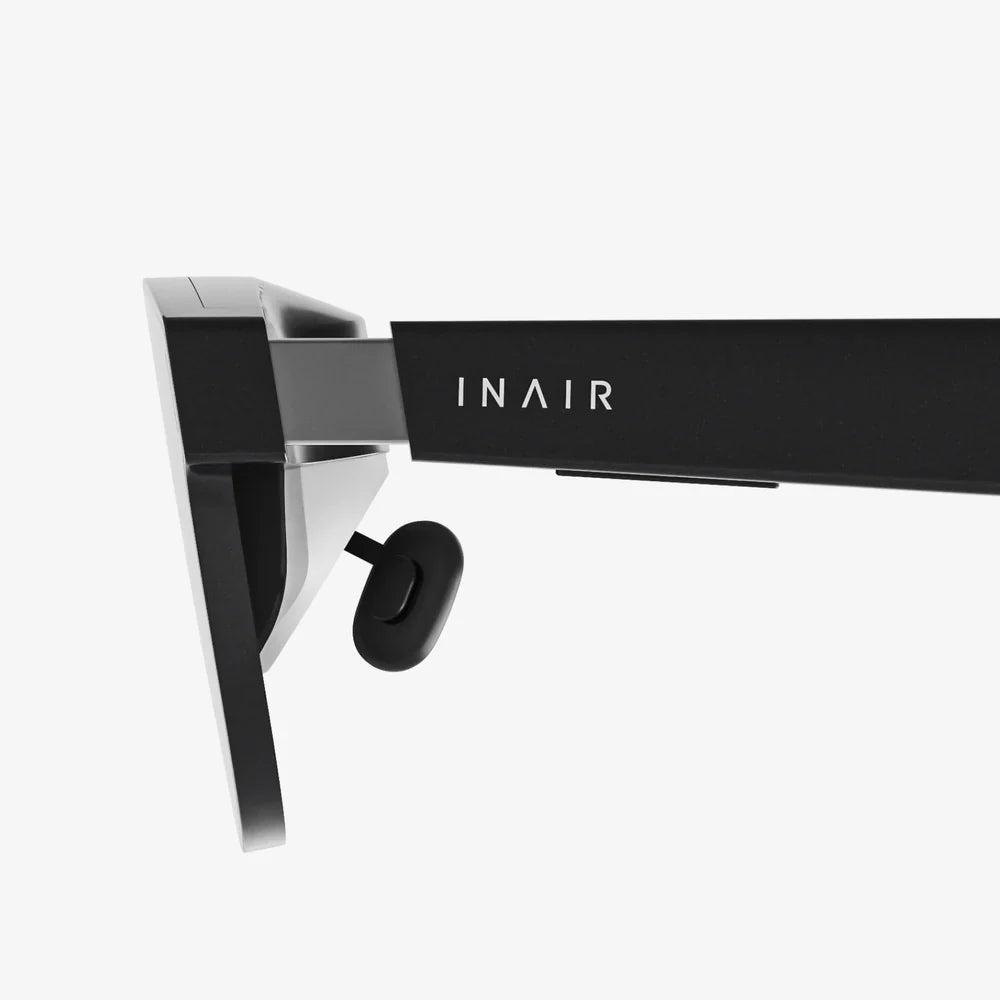
The world of immersive technology is on the cusp of a revolution, and the burning question on everyone's mind isn't just about specs or features—it's about the price tag. The prospect of an open, accessible Android-based Extended Reality (XR) platform promises to shatter the high-cost barriers currently surrounding the metaverse, but just how affordable will this new frontier truly be? Unpacking the answer requires a journey through manufacturing economics, competitive strategy, and the very philosophy of the Android ecosystem itself.
Deconstructing the Price Tag: Beyond the Bill of Materials
To understand how much Android XR will cost, we must first look at what goes into making a modern headset. The final retail price is a complex equation far beyond simply adding up component costs.
The Core Components: At the heart of any XR device are several expensive technologies. High-resolution, high-refresh-rate displays are paramount for a comfortable, immersive experience, and these micro-OLED or LCD panels represent a significant chunk of the cost. Next, the processing unit—a powerful System on a Chip (SoC) capable of handling simultaneous tracking, rendering, and computing—is another major expense. Add to this a suite of sensors: multiple high-resolution cameras for inside-out tracking, depth sensors, IMUs (Inertial Measurement Units), and eye-tracking modules. The optics, often complex pancake lenses to reduce bulk, are also a precision and costly element. Finally, the design, materials, battery life, and cooling solutions all contribute to the final Bill of Materials (BoM).
The Android XR Advantage: This is where the Android model changes the game. Unlike closed ecosystems where a single company bears the entire R&D burden for both hardware and software, Android XR allows multiple device makers to leverage a shared, open-source software platform. This means the massive development cost of the core operating system, its tracking algorithms, and its developer APIs is distributed. Manufacturers can then focus their resources on hardware innovation, design, and market-specific optimizations, inherently driving down costs through shared development and eventual competition.
The Spectrum of Devices: From Budget to Flagship
Just as the Android phone market offers a $100 device and a $1,500 device, the Android XR landscape will inevitably fragment into distinct tiers. We should expect a range of headsets catering to different needs and wallets.
The Entry-Level Contender ($200 - $400): This tier will likely focus on core functionality. Think a device primarily for media consumption—watching immersive videos, browsing virtual environments, and casual social experiences. It might feature a lower-tier processor, rely on a smartphone for some processing (akin to earlier VR headsets), use less expensive LCD displays, and have a simpler tracking system with fewer cameras. The goal here is accessibility, getting a functional headset into as many hands as possible to grow the ecosystem.
The Mainstream Powerhouse ($400 - $800): This is the sweet spot for most consumers and will be the most competitive segment. For this price, users will expect a standalone device with a powerful dedicated processor, high-resolution displays for clear text and video, robust inside-out tracking with a full complement of cameras, and a comfortable, well-balanced design. This tier will be the workhorse for gaming, productivity, social connection, and regular entertainment, directly competing with the current established players in the market.
The Premium Flagship ($800+): At the top end, price becomes less of a constraint. Here, we'll see devices pushing the technological envelope: the highest-resolution micro-OLED displays, the most advanced processors, ultra-wide field-of-view lenses, sophisticated eye and face tracking for avatars, and premium materials like magnesium alloys and leather comfort straps. These headsets will be aimed at professionals, hardcore enthusiasts, and enterprise applications.
The Giants' Shadow: How Competition Shapes the Market
The pricing of Android XR devices will not happen in a vacuum. It will be a direct response to the existing and future strategies of the current market leaders.
The dominant player has established a premium price point for a high-end, all-in-one device, positioning it as a luxury gadget and professional tool. This strategy has set a ceiling but also created an opportunity. Android XR manufacturers can clearly see the market's appetite and the gap that exists for more affordable alternatives. Their goal will be to offer compelling experiences at a fraction of the cost, forcing all players to reconsider their pricing models.
Furthermore, competition within the Android camp itself will be fierce. With multiple manufacturers—from well-known phone brands to new startups—vying for attention, price wars are inevitable. This competitive pressure is the primary engine that has driven down smartphone prices while increasing capabilities, and the same phenomenon will unfold in the XR space, ultimately benefiting the consumer.
The Hidden Costs: What Your Purchase Doesn't Include
When calculating how much Android XR will truly cost, the headset's sticker price is only the beginning. Potential buyers must consider the total cost of ownership.
Software and Applications: While the Android platform itself is free, premium applications and games will carry their own costs. A thriving ecosystem relies on developers being able to monetize their work. Will we see a plethora of free, ad-supported experiences, or will premium paid apps be the norm? The cost of building a software library must be factored in.
Accessories: The base headset might come with standard controllers. But what about prescription lens inserts for those who wear glasses? A higher-quality, more comfortable head strap? A larger battery pack for extended sessions? These accessories, often essential for a complete experience, add to the overall investment.
Content and Subscriptions: The metaverse and XR space are increasingly moving towards subscription models. Access to certain social platforms, professional software suites, or cloud streaming services for ultra-high-fidelity experiences may require ongoing monthly fees, becoming a perpetual cost of participation in the digital world.
The Long Game: Speculating on the Future of Android XR Pricing
The initial wave of Android XR devices will give us the first concrete data points, but the long-term trajectory is even more exciting. As with all technology, costs will fall over time.
Display and sensor technology will become cheaper and more efficient through economies of scale. Processor manufacturers will create chips specifically optimized for the thermal and power constraints of XR, offering better performance at lower price points. The most significant drops will likely occur in the budget and mid-range tiers, making capable XR headsets as commonplace as mid-range smartphones are today.
We may also see the rise of novel business models. A manufacturer could subsidize the cost of the headset itself, locking users into a specific app store or subscription service for a period, much like mobile carriers subsidize phones. Alternatively, ad-supported models could offer a significantly reduced hardware cost in exchange for viewing advertisements within certain environments.
The true cost of Android XR isn't just a number on a box; it's the price of admission to the next evolution of computing. While early adopters may pay a premium for cutting-edge technology, the core promise of the Android philosophy—openness, choice, and aggressive competition—is poised to perform its magic once again, rapidly driving down costs and placing powerful immersive tools into the hands of billions. The question is no longer if affordable mixed reality will arrive, but how soon you'll be able to step into a world where the digital and physical seamlessly blend, without your wallet needing a reality check.
Share:
VR for iPhone 13: The Ultimate Guide to Unlocking a New Reality
What to Consider When Buying a VR Headset: The Ultimate Guide to Making the Right Choice