


- by wangfred
How to Improve Virtual Reality: A Deep Dive into the Next Digital Frontier
- by wangfred
The promise of virtual reality has long captivated our collective imagination, offering a portal to worlds unbound by physical constraints. Yet, for many, the current experience still falls short of that science-fiction ideal, leaving a gap between breathtaking potential and tangible reality. Bridging this chasm requires a concerted effort across multiple technological and experiential frontiers. The journey to perfect this medium is not about a single breakthrough but a symphony of advancements working in harmony. This deep dive explores the critical pathways and innovations required to fundamentally improve virtual reality, transforming it into a tool of unparalleled immersion, utility, and accessibility.
The most immediate barriers to widespread virtual reality adoption are physical. The hardware, while incredibly advanced, still reminds us that we are wearing a computer on our faces. Improving this aspect is the first crucial step toward seamless immersion.
The window to any virtual world is the display. Current technology has made great strides, but the screen-door effect, limited field of view, and resolution constraints can shatter the illusion. The next generation of displays must push toward 8K per eye or higher, drastically increasing pixel density to eliminate any visible graininess. Furthermore, expanding the field of view to mimic human binocular vision—approximately 220 degrees—is essential for true peripheral immersion. This must be achieved alongside advancements in high dynamic range (HDR) and variable refresh rates to render light, shadow, and motion with the same fluidity and dynamism we experience in reality.
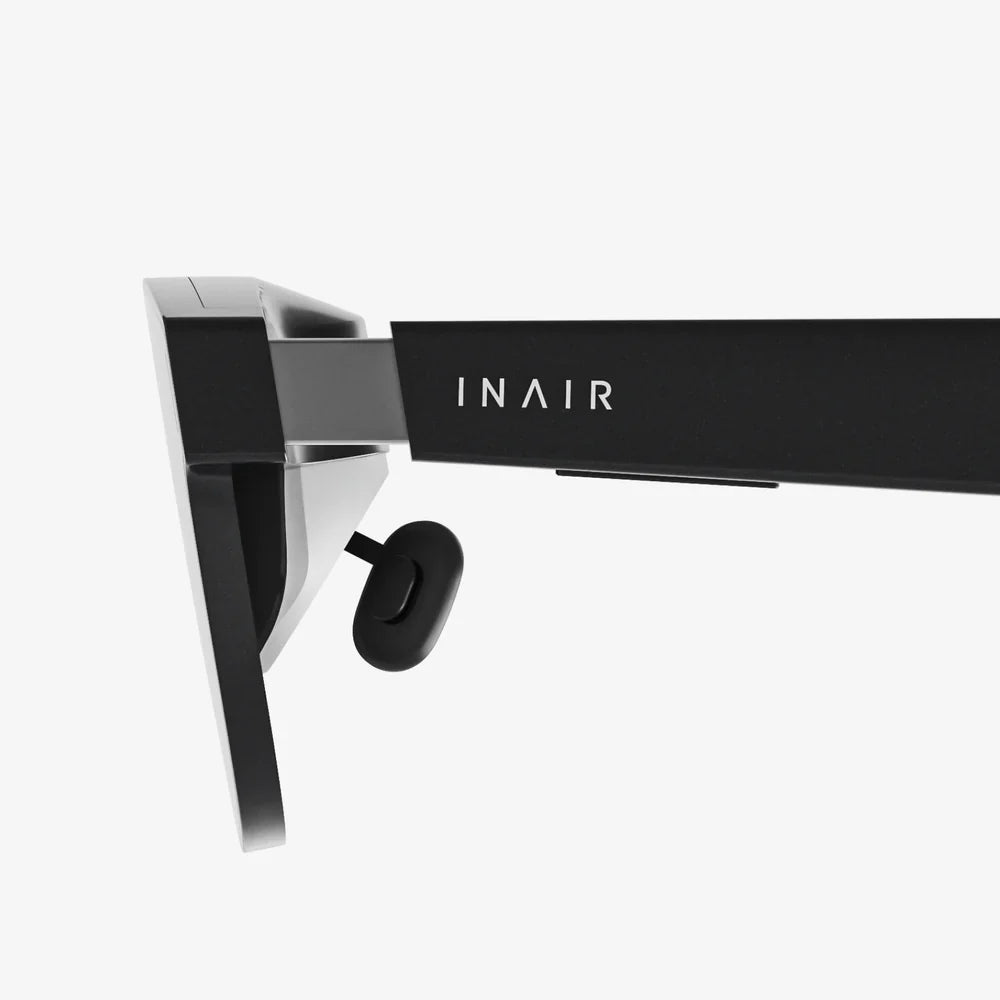
Heavy, cumbersome headsets induce fatigue and limit usage time. The future lies in sleek, lightweight designs that prioritize comfort for extended wear. This involves a radical miniaturization of components, moving processing to more powerful external devices or leveraging next-generation mobile chipsets. The ultimate goal is a pair of glasses that are socially acceptable and comfortable enough to wear all day, seamlessly blending our digital and physical realities without the bulk of current systems.
Perhaps the most significant physical barrier is simulator sickness, a disconnect between what the eyes see and what the inner ear feels. Improving this requires a multi-pronged attack. Firstly, reducing motion-to-photon latency—the delay between a user's movement and the corresponding visual update—to imperceptible levels (under 20 milliseconds) is non-negotiable. This demands incredibly fast displays and tracking systems. Secondly, exploring alternative locomotion techniques, from omnidirectional treadmills to clever software solutions that minimize vestibular conflict, is critical. Finally, integrating haptic feedback vests and other wearables can ground the user's sense of presence, providing physical sensations that align with the visual experience.
True presence in a virtual environment is not achieved through sight and sound alone. Our interaction with the real world is a multi-sensory experience, and virtual reality must strive to replicate this depth of feedback to feel genuine.
Current hand controllers, while innovative, are crude approximations of our hands. The next evolution involves high-fidelity haptic gloves that can simulate the sensation of touch, texture, weight, and resistance. Imagine feeling the rough bark of a tree, the recoil of a tool, or the gentle pressure of a virtual handshake. This technology relies on advancements in force feedback, ultrasonic emitters, and sophisticated actuation systems to fool the nervous system into believing it is interacting with physical matter.
To be truly transported, users need to feel their virtual body. Full-body tracking suits and lighter, more comfortable haptic feedback vests can simulate environmental effects—from the impact of a raindrop to the direction of a gust of wind. This full-body haptic layer adds a profound sense of physicality and consequence to virtual actions, moving beyond simple visual and auditory stimulation to create a holistic sensory experience.
The most advanced hardware is meaningless without compelling software to run on it. The content and the underlying engines that power these virtual worlds are just as important as the optics and processors.
The pursuit of graphical fidelity is relentless. Through advanced ray tracing, realistic physics simulations, and AI-powered upscaling techniques, virtual environments are inching closer to photorealism. However, realism is not the only goal. A powerful and often more achievable path is the creation of cohesive, stylized worlds with their own consistent and compelling aesthetic. The key is a high level of detail, interactivity, and internal logic that makes the world believable on its own terms, whether it resembles our reality or a fantastical dreamscape.
Static worlds feel dead. The future of virtual reality content lies in dynamic environments powered by artificial intelligence. Non-player characters (NPCs) should behave with believable autonomy, remembering interactions and adapting to the user. Environments should change and evolve based on user actions, creating a living, breathing world that exists beyond the user's immediate view. This creates a sense of persistent reality, where every visit feels unique and user agency has tangible, lasting effects.
While gaming is a primary driver, virtual reality's ultimate success hinges on its utility. We need killer applications in diverse fields: telepresence for remote work that replicates the nuance of in-person collaboration, virtual classrooms that bring history and science to life, therapeutic environments for treating phobias and PTSD, and virtual showrooms for architecture and design. This requires close collaboration with industry professionals to build specialized, robust tools that solve real-world problems.
Rendering complex, immersive worlds in real-time requires immense computational power. Solving this challenge is key to making high-fidelity experiences accessible.
The solution to local hardware limitations may lie in the cloud. Cloud-based rendering streams high-fidelity virtual reality experiences directly to lighter, less expensive headsets, much like streaming video works today. This paradigm shift requires ultra-low-latency, high-bandwidth networks like 5G and its eventual successor, 6G. By offloading the intense computation to remote servers, users can access experiences far beyond the capability of the device on their head, democratizing access to the highest quality virtual reality.
For applications requiring the absolute lowest latency, such as competitive multiplayer or complex simulations, edge computing—processing data closer to the user—will be essential. Furthermore, distributed computing models could allow shared virtual spaces to be rendered collaboratively across multiple devices, creating persistent and incredibly complex worlds that no single machine could handle alone.
As virtual reality evolves into a platform for social interaction and commerce—a precursor to the metaverse—a host of non-technical issues must be addressed to ensure its healthy growth.
How we represent ourselves in virtual spaces is deeply personal. Improving virtual reality means providing incredibly nuanced and customizable avatar creation tools that allow for authentic self-expression across a vast spectrum of human diversity. This includes realistic facial expression and eye-tracking to convey non-verbal cues, which are fundamental to genuine human connection.
Immersive harassment can be far more traumatic than its text-based counterpart. Robust, user-controlled safety tools are paramount. This includes intuitive personal boundary systems, easy-to-access blocking and reporting, and the ability to moderate one's own experience. Furthermore, the collection of incredibly intimate biometric data—eye movement, gait, voice—raises severe privacy concerns. Clear ethical guidelines and transparent data policies must be established and baked into the foundation of these platforms.
For virtual reality to be a truly transformative technology, it must be accessible to everyone, regardless of physical ability or socioeconomic status. This means designing experiences with accessibility front and center—support for alternative control schemes, audio descriptions, and customizable interfaces. It also means driving down costs to prevent the creation of a new digital divide, where only the privileged can afford to step into the next iteration of the internet.
The path to perfect virtual reality is a marathon, not a sprint, but each stride forward brings us closer to a future where the line between the digital and the physical beautifully blurs. The breakthroughs on the horizon—from neural interfaces that translate thought into action to photorealistic worlds powered by ambient computing—promise not just an improvement, but a revolution in how we connect, work, learn, and play. The headset of tomorrow won't be a device you use; it will be a lens through which you experience a richer, more connected, and boundless life.